Language is the resonant voice of a nation's culture. Countries that try to communicate with other nations beyond their own borders through cultural tools, and to create a place for their national culture among other societies, are engaged in promoting their official language and literature. They establish foundations named after their famous figures and, by holding educational courses and cultural events, attract the people of target countries to their cultural values. The Goethe-Institut (the German poet), the Confucius Institute (the Chinese philosopher), and the Saadi Foundation (the Iranian poet and man of letters) are examples of such institutions in the world, and in this text we will describe part of their actions, aims, and performance.
Goethe-Institut
The Goethe-Institut has been carrying out its activities for more than seventy years, and its aim is cultural exchange among the nations of the world and the Federal Republic of Germany. The Goethe-Institut has established 151 institutes in 98 countries to develop German culture in the world. This foundation, in addition to the financial support it receives from the European Union, the German government, and German companies, is financed through its own activities such as holding language-teaching courses. One of the Goethe-Institut's main programs is creating a setting for learning German in the educational systems of host countries, which, by holding various classes and training German-language instructors, helps raise the level of language learning in non-German-speaking countries. Cultural exchange with the nations of the world is among the Goethe-Institut's other activities; in this regard it holds nearly 20,000 thousand cultural events with the help of governmental and nongovernmental bodies, and through residency programs, partnerships, and joint productions it promotes networking among cultural specialists worldwide. The Goethe-Institut intends to offer civil-society stakeholders a protected space and a setting for honest exchange of views. They believe they do not interrupt democratic dialogues even in difficult conditions, and their orientation is toward the values of a democratic and liberal society. This institute, through digital (online) information, educational programs in more than 60 languages, and a network of 87 libraries, offers a space for learning, meeting, and participation.
Performance of the Goethe-Institut in 2021-22
The Goethe-Institut promotes cultural exchange and builds a bridge between Germany's national culture and education in order to expand its communications with other nations of the world. In this regard it has undertaken to hold numerous educational and cultural programs; this foundation's actions include making bilingual music with other countries, establishing an online library for lending German books, translating German books, and cultural and artistic events.
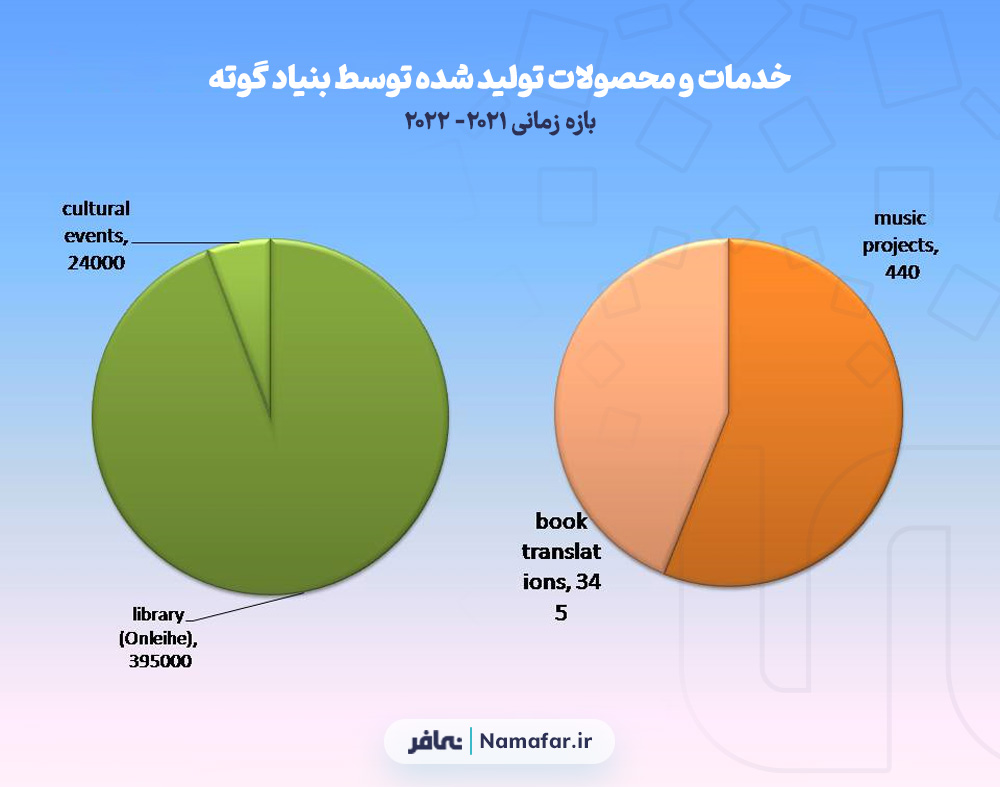
Chart 1. Services and products produced by the Goethe-Institut
The image above shows the number of services and products offered by the Goethe-Institut in 2021-22, which in cooperation with 100 countries has made 440 joint music projects. Nearly 395,000 people became members of this institute's online library, and it has supported the translation of 345 German books into 42 languages of the world. Based on announced statistics, 24,000 cultural and educational events have been held with the support of the Goethe-Institut, in which 12 million viewers from different parts of the world have taken part.
Confucius Institute
Confucius Institutes are nonprofit educational institutions that have been established jointly and voluntarily by Chinese institutions and foreign partners. The services of these institutes include: teaching Chinese, providing training for Chinese-language teachers, developing Chinese language teaching and learning resources, research in other disciplines related to the Chinese language, and administering examinations and issuing certificates related to Chinese language and culture. The Confucius Institute headquarters (CIEF) is responsible for the overall management and operation of the Confucius Institute and its classrooms, and in principle it does not participate directly in the managerial affairs of other Confucius Institutes. This organization is mainly responsible for collecting financial contributions from all walks of life, both inside and outside the country, to support the development of Confucius Institutes around the world. The Confucius Institute has various sections and has created an extensive network at the world level in which China is not the only party involved, and other countries, too, by creating foundations under the Confucius Institute, work to promote the Chinese language and cultural exchange with China. Building and expanding cultural centers in other countries increases China's cultural influence. The financing of these institutes in the world, in addition to the revenues they obtain from offering their own services and products, takes place through support from the Chinese government.
Performance of the Confucius Institute in 2013-18
The Confucius Institute's focus in 2013 to 2018 was on establishing representative offices and holding classes in different parts of the world. This foundation's representative offices are fully independent and are built by the host countries. Confucius classrooms are part of these institutes' program for learning Chinese language and culture among children in middle schools and high schools around the world.
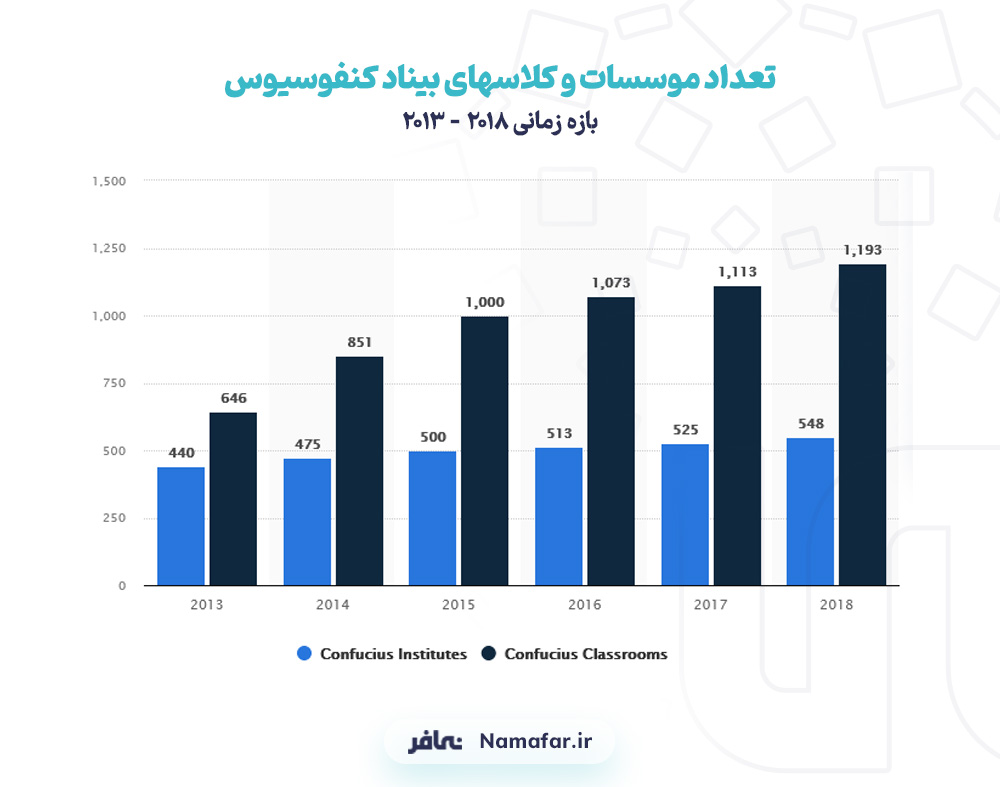
Chart2. Number of Confucius Institute institutions and classes
This chart shows the total number of Confucius Institutes and their classrooms from 2013 to 2018. By the end of 2018, a total of 548 Confucius Institutes had been established in the world. These centers, based on the demand of host countries, have had a 25 percent increase relative to 2013. Also, classes held by Confucius Institutes have had a striking increase and have gone from 440 classes in 2013 to 1,193 classes in 2018.
Quality of the Confucius Institute's performance
Based on research that has examined the Confucius Institute's role in the development of the Chinese language, the chart below has been obtained in order to display the quality of this institute's services by analyzing the services offered by this institute over 15 years. This chart expresses a qualitative analysis of this foundation's impact, showing that it has followed an upward trend and in 2019 reached its highest qualitative level. (Qiao Peng. 2024. Confucius Institute’s Role in Chinese Language Development in Indonesi)
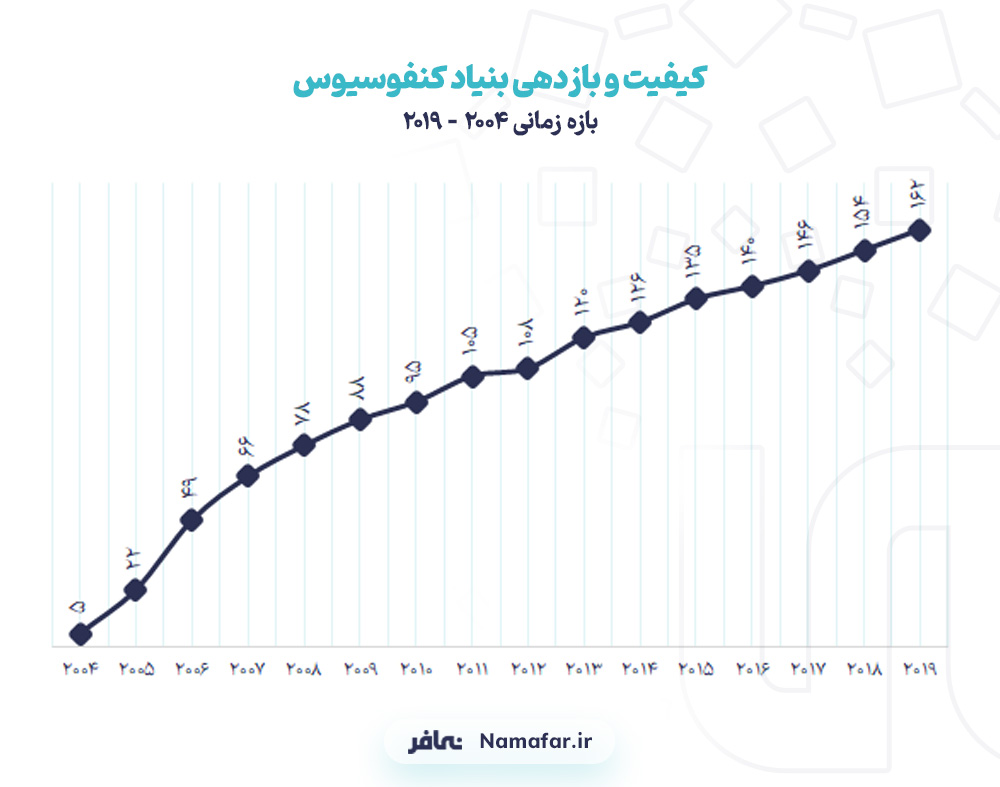
Chart3. Quality and efficiency of the Confucius Institute
Saadi Foundation
The Saadi Foundation began its activity in Ordibehesht (April–May) 1392 (2013/14) and helps expand the Persian language on the basis of global standards. The main mission of this institute is the management, support, and guidance of Persian-language teaching centers around the world. In addition to holding educational courses in Iran, the Saadi Institute is engaged in teaching Persian-language enthusiasts in more than 40 places in the world. Such centers are created mainly with the aim of cultural exchange among nations and sharing national values with other countries, and the Saadi Foundation has played an important role in identifying and displaying Iranian culture to the people of the world.
Actions of the Saadi Foundation
The Saadi Foundation, in line with managing Persian-language teaching centers, has tried to standardize appropriate teaching methods and, by authoring books and producing software and educational resources, has addressed the expansion of the Persian script and literature among Iranians residing abroad. Also, in order to guide and support Persian-language institutions, it has carried out activities such as holding regional olympiads, dispatching instructors and training teachers, supporting the publication of works of Persian literature, granting scholarships to researchers, creating literary associations, and so on.
What are the Saadi Foundation's achievements?
The establishment of the Saadi Foundation in the past decade has brought a set of achievements for the promotion of Persian language and literature. Launching the scholarship office, the research-support office, and the office for publishing educational and supplementary educational books have been a few examples of the educational systems created by the Saadi Institute. Support for 15 literary and linguistics conference programs, forming a strategic council for drafting the Persian-language teaching document in ten regions, and compiling a Persian-language profile in 35 countries of the world have been among the other actions carried out by the Saadi Foundation.
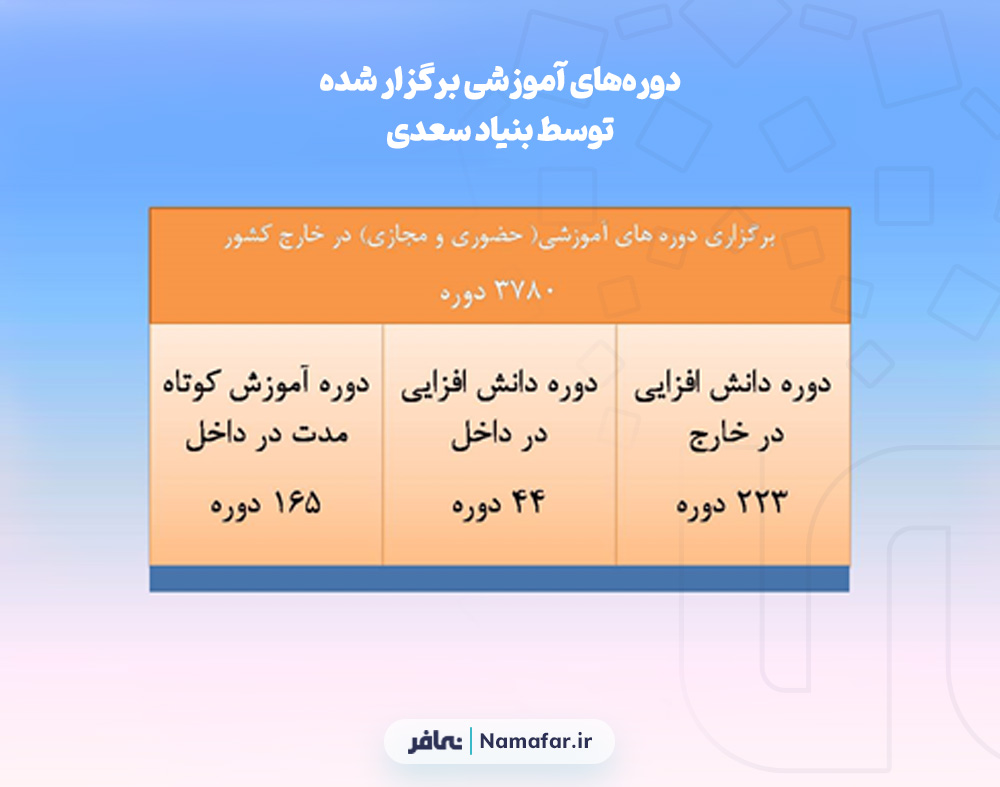
Table1. Educational courses held by the Saadi Foundation
As you see in the table above, the Saadi Foundation, from the beginning of its establishment in year 92 to today, has run 4,103 educational courses in in-person and virtual form abroad and 224 educational courses in Iran. 223 foreign courses and 44 domestic knowledge-enhancement courses for training Persian-language instructors, and also 165 short-term educational courses for those interested in learning Persian language and literature, have been held in Iran.
How much is the Saadi Foundation's budget?
The budgeting of bodies that are financed from government resources increases or decreases on the basis of their level of performance. The Saadi Institute's budget, given the expansion of the range of activities especially in holding educational and cultural courses and events abroad, has had an increasing trend in the past five years and has reached the figure of 60 billion tomans in 1402 (2023/24).
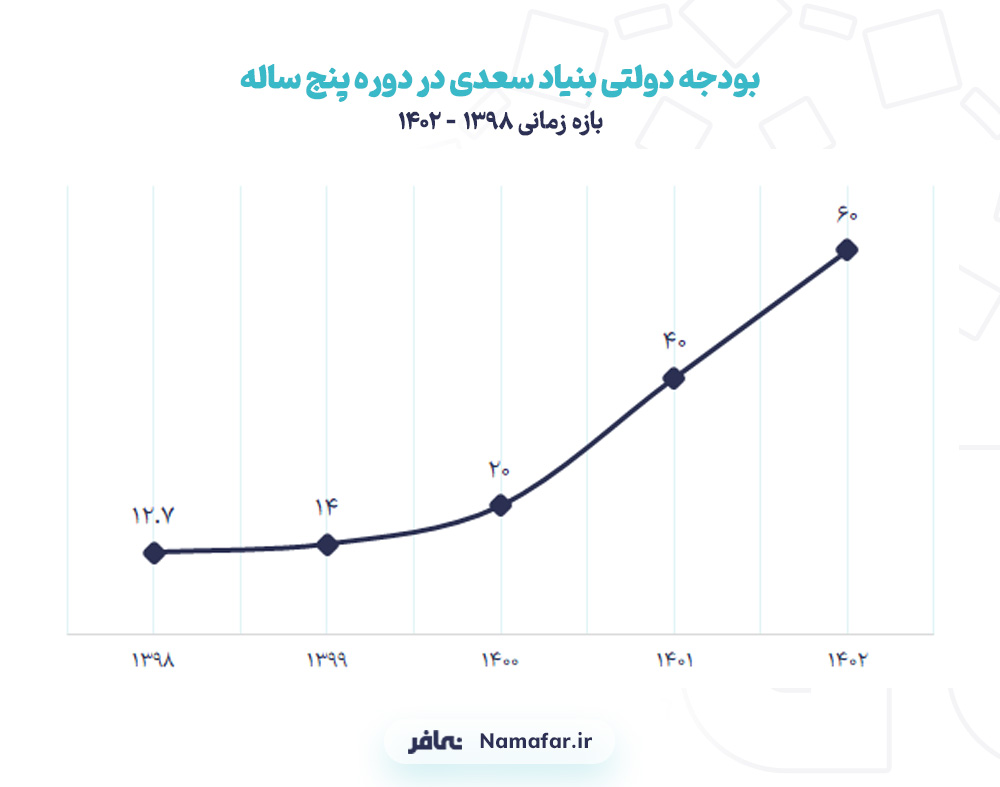
Chart4. Government budget of the Saadi Foundation over a five-year period
Map of the distribution of Saadi Foundation centers in different parts of the world
The Saadi Institute has 21 active centers in the African and Arab sphere, 28 centers in Oceania and Asia, and 13 centers in America and Europe. Given the number of this institute's offices in the world, the Saadi Foundation's greatest concentration for promoting Persian language and literature has been in the Asian sphere, to the point that they have established seven representative centers in Pakistan.
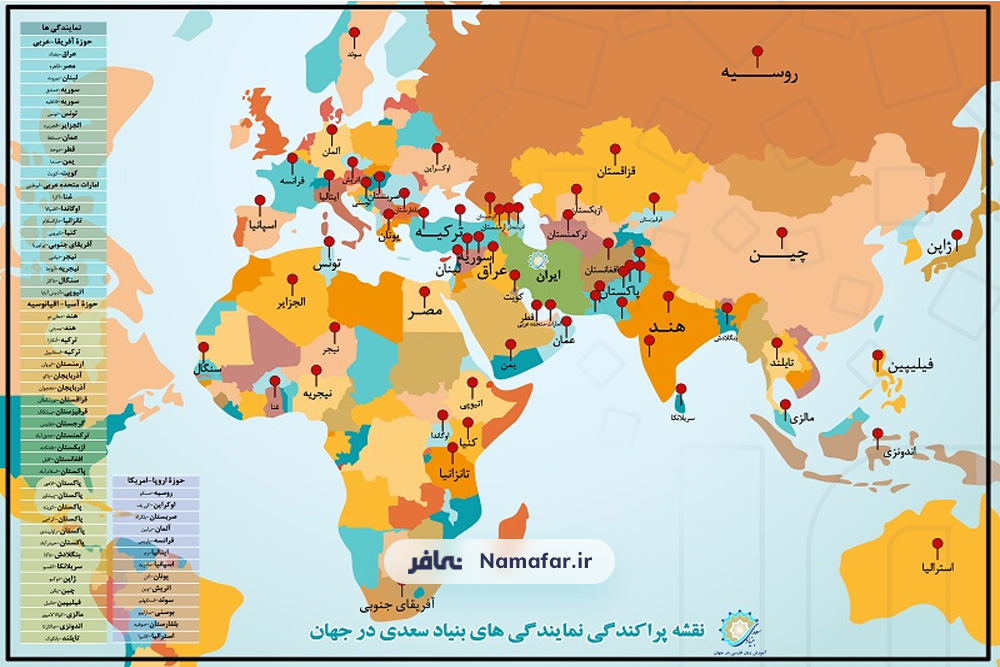
Map of the distribution of Saadi Foundation branches in the world
Final word
The text presented is a review of three prominent cultural foundations, namely the Goethe-Institut, Confucius, and Saadi. These institutions play an important role in promoting cultural exchange and language learning on an international scale. The Goethe-Institut, with its extensive network of branches around the world, focuses on expanding German culture and language through various educational programs and cultural events. The Confucius Institute, established through joint efforts between Chinese and international partners, is a nonprofit educational institution that offers Chinese-language teaching, teacher training, research, cultural-exchange programs, and language examinations. Also, the Saadi Foundation, by publishing Iran's literary works in various languages, establishing language-learning systems, and holding literary olympiads, seeks to create a space for greater recognition of Iranian language and culture. All three foundations help fill cultural gaps, strengthen mutual understanding, and increase global communications. Through their initiatives they facilitate language learning, provide access to educational resources, and promote dialogue among different communities. Overall, the institutions examined serve as vital platforms for cultural diplomacy. The strength of these foundations' activity is communication at the micro level and with each individual person of a country, which, relative to governmental communications at the macro level, brings greater impact, and for this reason they play important roles in advancing intercultural dialogue and cooperation in today's globalized world.
Machine-translated from Persian by Namafar; the Persian original is authoritative. Read the original in Persian