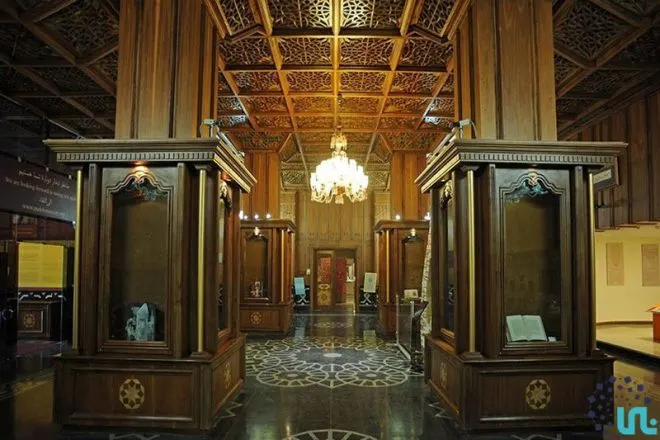
Museums in Iran and the world are places with whose help one can review history. Museums are places for keeping works and evidence that remain from the lives of past humans and from nature. These works are collected and kept in museums in Iran and the world and are displayed for visitors. The purpose of the formation of museums is to establish a connection with the past and spiritual benefit.
Over the years, many works have been stolen from the country and have become the property of other countries, but Iranian museums are still places that keep important and valuable works. The overall state of museums in Iran is not comparable with the world's museums. The technology and facilities that are provided for access to these places, and advertising, which is another pillar of increasing museum visits, do not exist in Iran. Ease of access to museums and a reasonable museum admission cost, the exchange of important historical works among museums, and holding tours for these valuable objects and the temporary transfer of works to other museums have a very large effect on attracting audiences.
Iran's museums and multiple supervisions
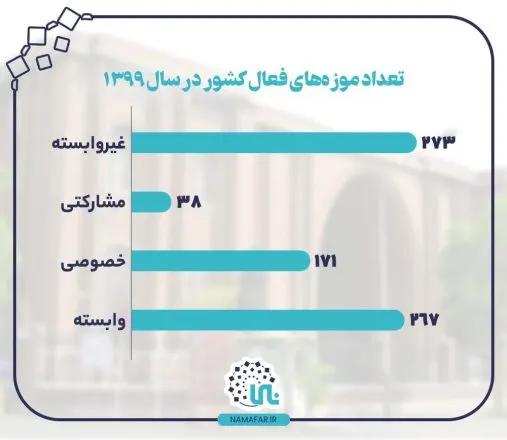
Various organizations are charged with overseeing museums. Not all of them are under the supervision of a single body such as the Cultural Heritage Organization.
1. Organizational museums
2. Private museums
3. Participatory museums
4. Independent museums
Iran's museums fall into the above categories. The number of independent museums is greater than that of affiliated museums. The Ministry of Cultural Heritage issues permits for this kind of museum, but because of the very high cost of keeping objects, museums prefer to hand it over to the private and nongovernmental sector, or these museums are research-based museums, among other reasons. Private museums are also usually in the hands of collectors.
Museums in Iran
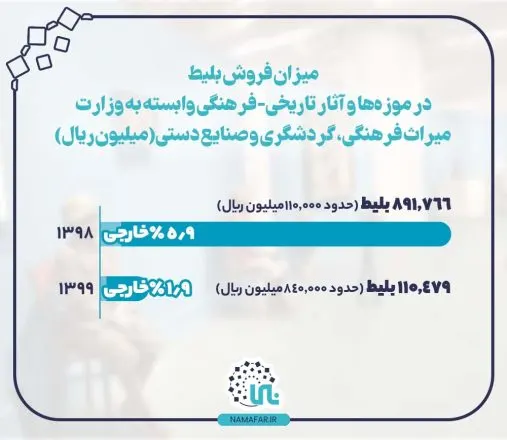
In other countries museums generate income, but the income from sales and the price of museum tickets is not a brilliant amount. Visitors to Iranian museums in 1398 (2019/20) were more than in previous years and in 1399 (2020/21). Total ticket purchases for Tehran museums affiliated with the Cultural Heritage Organization through Iranian visitors were a little more than 83 million tomans, and through foreign tourists more than 5 million tomans. In 1399 (2020/21), the situation was more unfavorable than at any time and the total of tickets that foreign and Iranian tourists had bought came to 11 million tomans altogether.
It is clear that the bulk of the income of Iran's museums is obtained through domestic and local visitors, and foreign tourists have a small share of museums' income. Extensive advertising, introducing Iran's important museums at the global level, and presence in global events, and free admission to Tehran museums, might help Iranian museums be seen more.
Iran's best museums
Three palaces in Tehran are Iran's famous museums with the highest number of visits. In 1399 (2020/21) more than 400 thousand people visited the Saadabad Palace-Museum and nearly 200 thousand people visited Niavaran Palace and 9 thousand people also visited Golestan Palace. Chehel Sotoun Museum is in fourth place and Falak ol Aflak Castle Museum is in fifth place on the list of Tehran museums. Visitors to Saadabad Palace make up 44 percent of all visitors to Iran's museums, and this figure means that less than half of the visitors to all museums have in fact gone to a single museum, and residents of the capital are probably more interested in museum-going and intra-city outings. Of course, the space of these three palaces, among the best museums in Tehran, and the numerous facilities around them and the ease of access to them, lead to greater turnout.
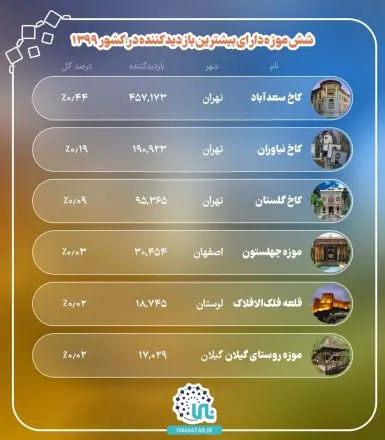
Names of Iran's least popular museums
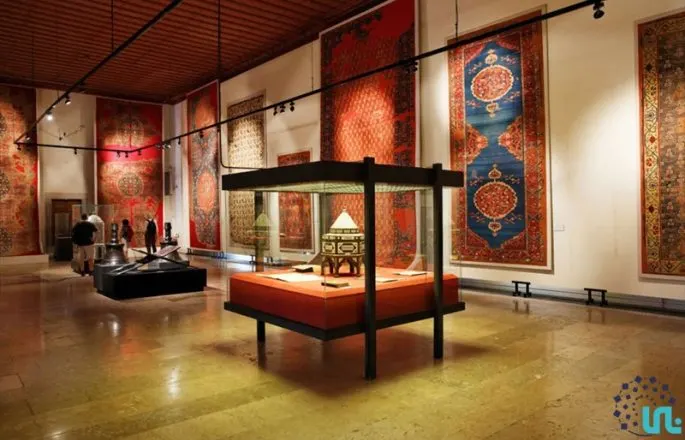
The Iran Carpet Museum, with 220 visitors in 1399 (2020/21), was the least thriving museum in Iran. After that, the Glassware Museum, which is in Tehran, and two museums in Tabriz named Azerbaijan and Constitutional are on the list of the five least popular museums. Weak advertising and less easy access to these places can affect the visit figures of Iran's famous museums.
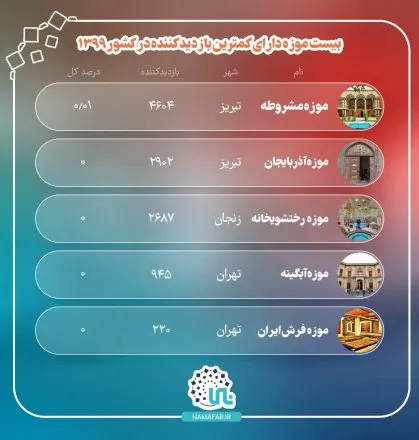
Museum visits and COVID
For more than two years the declining trend of museum visits has continued, and with COVID fading and the development of the tourism industry, hopes for a revival of museum ticket purchases and museum visits have increased. The information obtained shows that museums in Iran are not given attention as one of the players in the tourism industry. The issues of Iranian museums and inviting domestic and inbound tourists to visit the unique treasures in these places require effort for greater introduction and broader measures. Turning museums into an attractive place for the viewer is the first step in changing these conditions. Creating theme parks with a museum subject, a proper definition, organization, specialized classification of the treasures kept in these famous Tehran museums, reducing the costs of visiting museums and the price of buying a museum ticket are among the issues that must be addressed. The world's museums operate in this same way, and by taking that path, positive results can be reached.
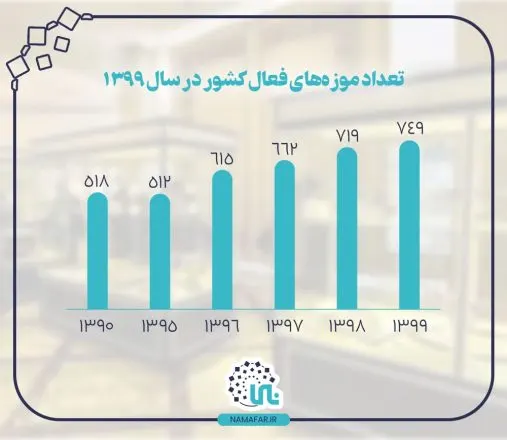
The most visited famous museums in the world
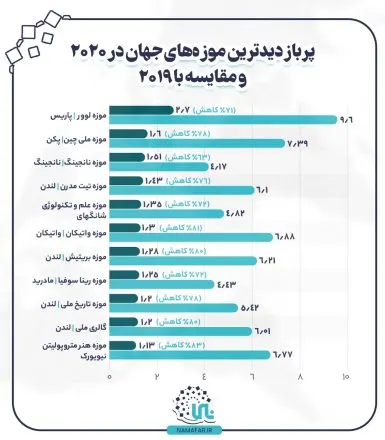
Many of the world's distinctive museums are famous at the global level, and the same ones are also counted among the world's most famous museums. The United States, Germany, Japan, Russia, and France have the most and the largest museums in the world and keep the most valuable objects. Of course, having the most museums in the world does not mean that more visitors will travel to that country.
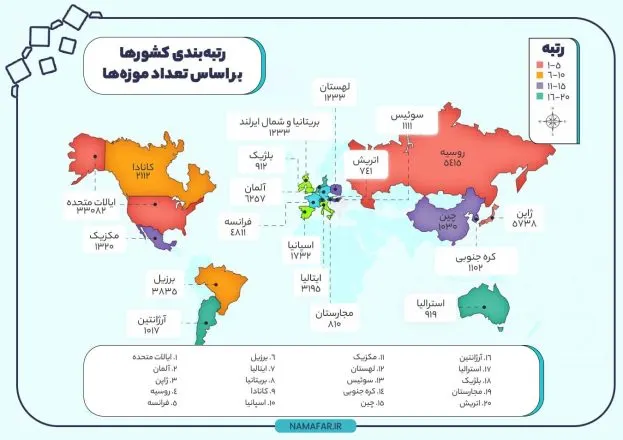
Although the United States has the most and the oldest museums in the world, China's museums attract the most visitors. The National Museum of China alone has more than 7 million visitors and, together with other museums, they have more than 24 million visitors a year. Britain and Ireland also rank second. In fact visitors more often go toward five of the world's most famous museums: the British Museum in London, Tate Modern London, the National Gallery museum, the Natural History Museum, and the Victoria and Albert Museum are among London's famous museums.
Third place in museum visits belongs to the United States, which holds the most museums in the world. The national natural history museums, the National Museum of Art, and the Museum of Natural History attract more than 20 million visitors a year. France is in fourth place on this list, and despite millions of tourists to Paris the Louvre has more than 10 million visitors a year.
Machine-translated from Persian by Namafar; the Persian original is authoritative. Read the original in Persian