For handicrafts work at home, the fields that are more suitable are those that need few tools, little space, and cheap raw materials: knitting and crochet, needlework, handmade leatherwork, beadwork and jewelry making, and weaving kilim and jajim on a small loom. These same fields also have the most supply in online markets; on the Basalam site, of 148,882 handicrafts products, 30 percent were in the "knits, fabric and needlework" category. On this page we have set out which handmade arts are more suitable for the home, which sell better, where they can be sold, and where permits and training come from.
Which handicrafts can be made at home?
| Field | Tools and space | Sales note |
|---|---|---|
| Knitting and crochet (shawls, hats, footwear, dolls) | Needles and hooks and yarn; no special space | The most abundantly supplied category; high competition, one must have a distinctive design |
| Needlework (suzan-duzi, sorme-duzi, pateh, golabtun-duzi) | Needle, thread, small hand hoop | Authentic local needlework has higher prices |
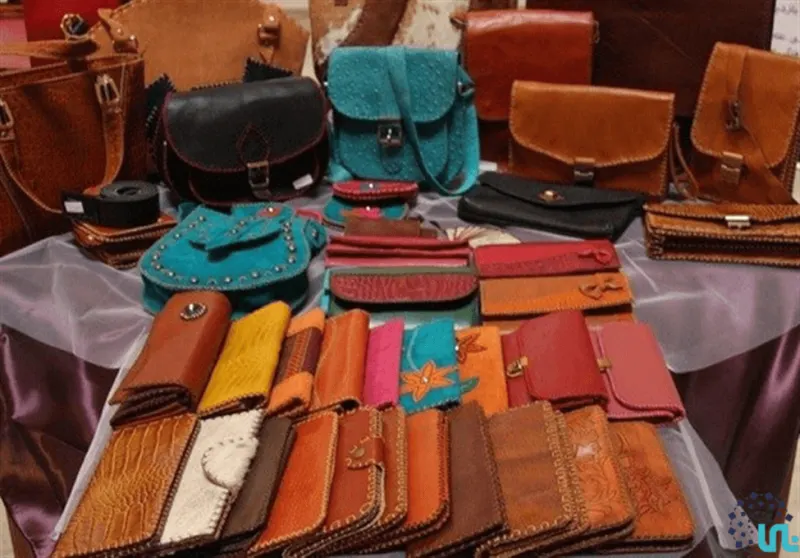
| Handmade leatherwork (wallets, card holders, belts) | Leather, needle, cutter, and a few punching tools | Popular on Instagram and online markets |
| Beadwork and handmade jewelry | Beads, wire, small pliers | Cheap and fast, but a low selling price |
| Kilim, jajim, and zilu | A small loom and a fixed place in the house | Longer work, a higher price per piece |
| Felt-making | Wool, hot water, and a space for rubbing; laborious work | Traditional felt has less demand, and felt dolls and decorations have more |
| Pottery, marquetry, and woodturning | A kiln or wheel and electric tools; noise and space | Harder for the home; usually a workshop is needed |
If you are just starting, knitting, needlework, and leatherwork have the lowest start-up cost, and in a few weeks one can reach a salable product. Fields that require a kiln or electric tools, such as pottery and woodturning, work better in a workshop than in an apartment.
What are the best-selling home handicrafts?
Independent statistics on the sales of each field of handicrafts in Iran are not published, but data from the Basalam online market give a good picture of supply and demand. The number of Basalam handicrafts products in 1402 (2023/24) was as follows:
| Category | Number of products | Share |
|---|---|---|
| Knits, fabric and needlework | 44,592 | 30% |
| Gift items | 26,125 | 17.5% |
| Metal products | 18,123 | 12.2% |
| Wood and wicker products | 16,595 | 11.1% |
| Visual arts | 14,209 | 9.5% |
| Stone products | 13,345 | 9% |
| Pottery, tile and porcelain | 12,473 | 8.4% |
| Glass and crystal crafts | 3,420 | 2.3% |
Three points from these data are important for someone who wants to produce at home:
- The simpler ones are more abundantly supplied. Knitting has the most products because many people can manage it. So sales in this category depend on design, quality, and a good photo, not on the field itself (number of products in each category).
- Harder work, higher price. Products that require a master artisan's skill or expensive material, such as brass works, have a higher average price. Gift boxes and beadwork are the cheapest categories (average price of each category).
- Demand does not always follow supply. Buyers' most votes have gone to woodturning products, and brass items, despite a high price, have a large audience; there are also categories that have many products but few buyers (most popular categories).
Where should we sell home handicrafts?
- Domestic online markets such as Basalam, where opening a stall has no initial cost and the buyer themselves comes looking for handicrafts.
- Instagram and messengers, especially for leatherwork, knitting, and jewelry that are made to order. A good photo and showing the stages of making have the greatest effect here.
- Exhibitions and temporary bazaars that provincial cultural heritage offices hold; for example during Handicrafts Week in Khordad (May–June) and Nowruz exhibitions (number of domestic handicrafts exhibitions).
- Souvenir and tourism shops in tourist cities; some of them sell home producers' products on consignment.
Global markets such as Etsy are not available to the Iranian seller because of sanctions. Iran's official handicrafts exports in 1399 (2020/21), excluding jewelry and suitcase trade, were 323 million dollars (value of handicrafts exports).
Permits and insurance for home handicrafts work
For official work at home, the provincial Directorate-General of Cultural Heritage, Tourism and Handicrafts issues an "individual production permit" for handicrafts. Applications for business permits, including home occupations, are registered through the National Licensing Portal of the country (mojavez.ir). Many home producers start the work without a permit and with online sales, but for participating in official exhibitions, obtaining facilities, and using artisans' insurance it is usually necessary. Conditions and documents differ slightly in each province, and it is better to ask the cultural heritage office of your own city.
Handicrafts training for sale
There are two official training paths: general and specialized courses that cultural heritage offices hold, and courses of the Technical and Vocational Training Organization that grant a skill certificate. See the trend in the number of trainees of these courses in trainees of general handicrafts courses. For simpler fields such as knitting and leatherwork, many home producers start the work from free video tutorials and then, for better quality, go to a master artisan.
Several traditional fields that are also done at home
Kilim weaving
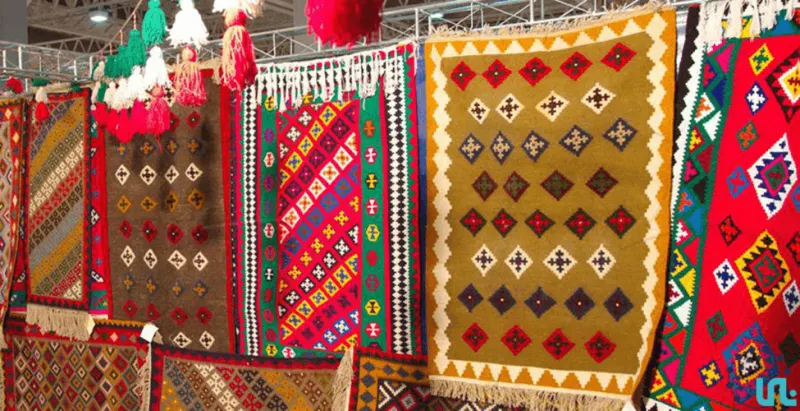
Kilim is a light, thin, pile-free floor covering that is woven with wool on a loom and has its own local weave in almost all of Iran's nomadic and rural regions. A kilim loom is smaller than a carpet loom and more feasible for the home.
Zilu weaving
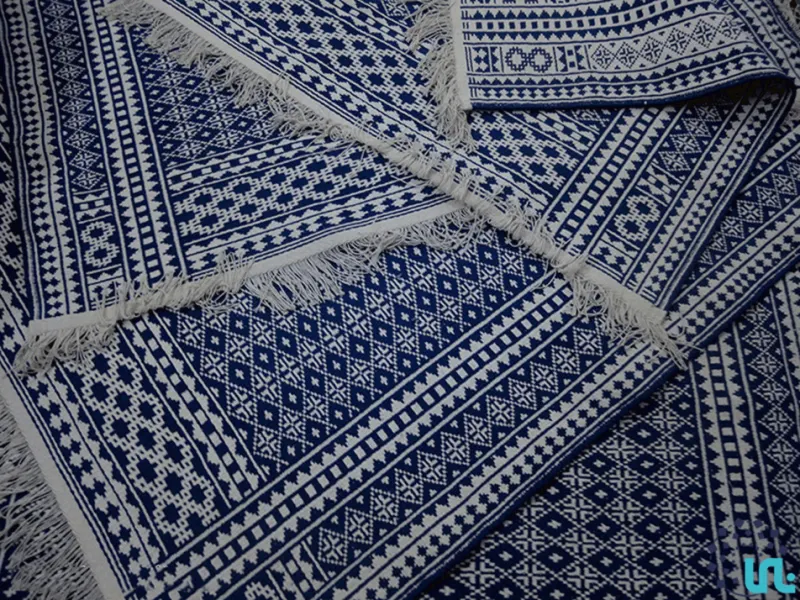
Zilu is woven with cotton thread and is reversible. It is usually blue and white with simple motifs, and Meybod in Yazd is its best-known center.
Felt-making
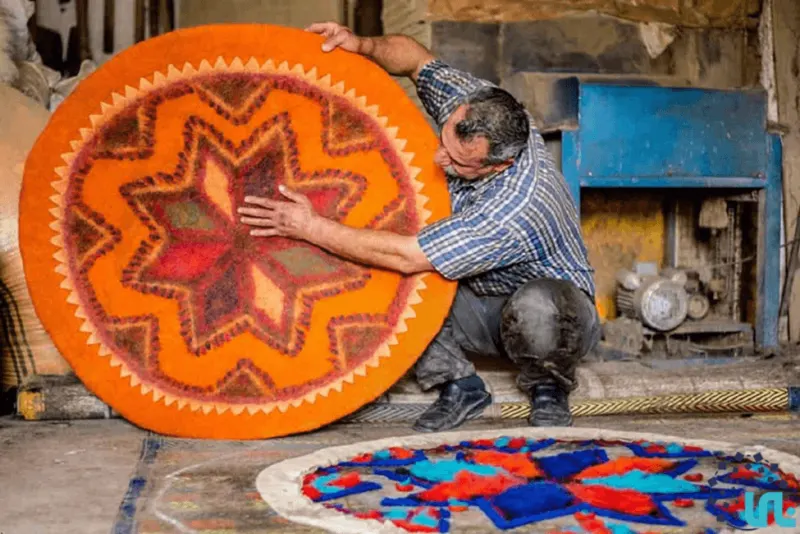
Felt is not woven; wool is compressed together with water and pressure and rubbing. Traditional felt is heavy work, but making dolls, bags, and felt decorations with ready-made felt fabric is easily doable at home.
Footwear and sock knitting
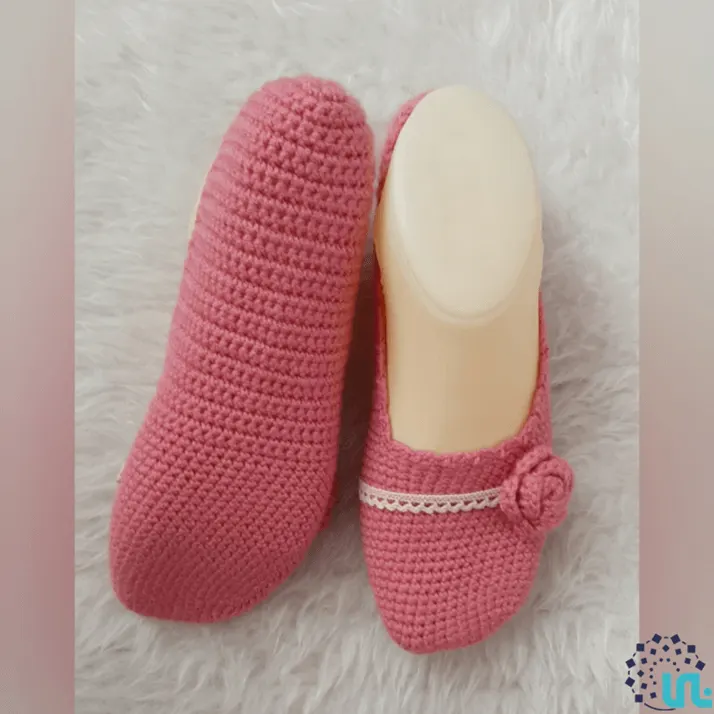
Knitted footwear and wool socks are among the simplest products for starting and have more sales in autumn and winter.
Leatherwork
Wallets, card holders, watch straps, and hand-stitched belts are among the common products of home leatherwork. Natural leather is expensive, so the work is usually started with small pieces so that waste is low.
Frequently asked questions
What is the best handicrafts work at home?
For starting, a field that needs few tools and that you yourself are interested in: knitting, needlework, or leatherwork. If you have skill, less-supplied fields such as metalwork or local needlework have less competition and a better price.
What are the best-selling home handicrafts?
In the online market, knitting and needlework have the most products, and gift accessories are second. Basalam buyers' most votes have gone to woodturning products.
Is a permit required for handicrafts work at home?
For participating in official exhibitions, obtaining facilities, and artisans' insurance, an individual production permit from the provincial cultural heritage office is required. Ask the cultural heritage office of your own city for the exact conditions.
Read more statistics on production, sales, and exports in the Handicrafts in cyberspace data brief and on exports in Handicrafts exports in Iran and the world.
Sources
- Data from the Basalam site, compiled by Namafar, 1402 (2023/24) (Frequency of handicrafts products on Basalam)
- Second-year performance report of the Sixth Development Plan, value of handicrafts exports
- Statistical Yearbook of the Ministry of Cultural Heritage, Tourism and Handicrafts
Machine-translated from Persian by Namafar; the Persian original is authoritative. Read the original in Persian