The domains of the creative industries, especially music, can be described as the commercial exploitation of artistic knowledge. In this regard this article, using documentary methods and thematic analysis, examines the components of creativity in the creative industries through a study of the Kamkars music group.
Iran's largest family music group
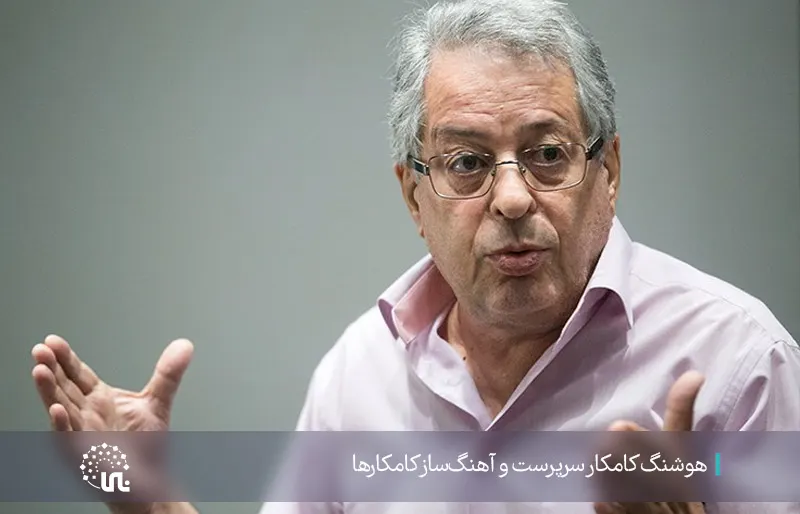
The Kamkars are Iran's largest family music group. Their music is a combination of Iranian classical music and popular music. This group was formed in 1344 (1965/66) in Sanandaj, and the Kamkar family are its founding members. From the very early years of its activity (the 1350s (1970s)) this group also paid special attention to academic music training and, alongside its activities, sought to establish a connection with the university education system. The Kamkars have been able, by relying on innovation and creativity, to attract an audience consisting of the general public and the music elite. In addition to the Kamkars' performances, this group has also released numerous albums to the market. Among the most important Kamkars song albums one can mention Ouraman, Zardi-ye Khazan, Shilereh, Gelawizh, Golneshan and others.
Creativity in the music industry
Music is among the creative industries that have given this field new and interesting dimensions. For this reason various countries have tried, and still try, to provide facilities for it in order to promote its creative industries in society. The success of musical activities in the arena of the creative industries depends on particular conditions. For example, in various studies the popularity of K-pop groups has been attributed to various components and factors such as individual factors, local endogenous factors and global exogenous factors, and others.
But in general any musical style that wants to gain local, national or global popularity needs the quality of innovation and creativity in art. This innovation and creativity differs according to the context and field of activity. For example, the production of creativity in Eastern music, with an emphasis on K-pop groups, consists of three stages: the globalization of creativity, the localization of musical content and its performers, and the dissemination of musical content through social networks in the world.

Components of musical creativity in the Kamkars group
By examining 7 concerts and 8 Kamkars songs, this article identifies and introduces 10 components of the Kamkars group's creativity.
1. Establishing a two-way connection between Kurdish music and Iranian music: The Kamkars have created a new style by combining Kurdish local music and Iranian national music. They have been able to establish a two-way connection between Kurdish musical styles and Iranian music. The Kamkars music group has on the one hand, by drawing on elements such as the Kurdish language, instruments and Kurdish local songs, introduced and promoted Kurdish musical modes. On the other hand they have also used elements of Iranian music such as the santur and kamancheh instruments and the works of Persian-language poets in their songs. By creatively combining and blending these two musical styles, the members of the Kamkars music group have been able to create a new style that contains the features and components of both Kurdish and Iranian music.
2. Promoting and elevating local and Iranian instruments: One of the important actions of the Kamkars traditional music group has been special attention to authentic Iranian instruments and efforts to elevate and introduce these instruments. A clear example of this is Bijan Kamkar's efforts to institutionalize and introduce the daf instrument in Iranian music. Before Bijan Kamkar, daf playing was used only in religious ceremonies and in khaneqahs and had no place in professional and stage music. By introducing and professionally teaching the daf, he played an important role in promoting it in authentic Iranian music. Today the daf instrument has become one of the common and most popular instruments in Iran.
3. Using the Kurdish and Persian languages in song lyrics: In the Kamkars group's songs, they use both the Kurdish language and the Persian language. In the parts that are sung in Kurdish, they try to use the dialects and accents of the Kurdish language. This linguistic combination both introduces Kurdish culture and musical style and establishes a link between Iran's traditional music and Kurdish local music. The intelligent use of different languages is considered one of the positive and creative points in the Kamkars' works.
4. The manner of choosing attire in the Kamkars group's performances: The members of the Kamkars music group follow two different approaches in choosing clothing and attire for their stage performances. In performances where Kurdish local songs and music are to be performed, they use traditional Kurdish attire and clothing. Also in their more formal performances they have an artistic and uniform attire. This work draws the audience's attention and conveys a feeling and atmosphere appropriate to each of the Kamkars' performances.
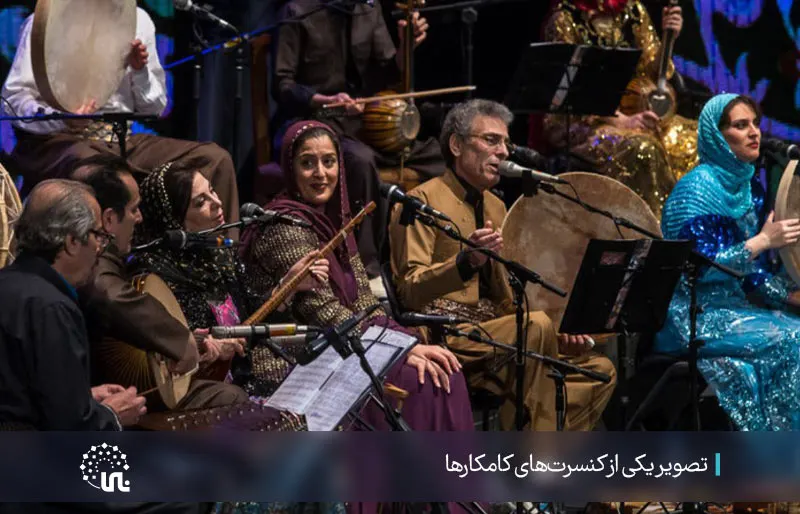
5. Membership of women in the Kamkars music group: One of the positive and creative actions of the Kamkars family has been the membership of women in this music group. By including women such as Ghashang Kamkar and others, the Kamkars group opened the way for women's return to the artistic stage. The presence of women alongside men both indicates gender equality and has made the music richer. This action by the Kamkars music group has caused more women to turn to the art of music and has provided the ground for their presence.
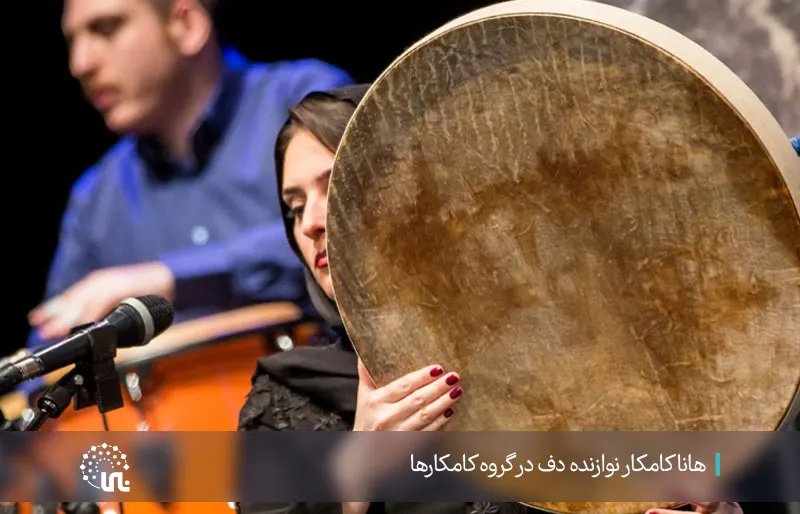
6. Attention to the individual creativity of the Kamkars group's members alongside group activity: Each of this group's members, in addition to activity in the group, also works individually in various artistic fields. Encouraging individual talents and creativities alongside collective activity has made the Kamkars traditional music group more dynamic and lively and has also broadened the range of its activities.
7. Collaboration of the Kamkars with other music groups and singers: Holding concerts and joint albums with the Kamkars group are examples of the Kamkars group's collaboration with other artists. This work has led to interaction and exchange of experiences among groups and makes the music richer. Collaboration with a group such as the best-known traditional music group, the Kamkars, is also useful for other groups, because it increases their fame and audience.
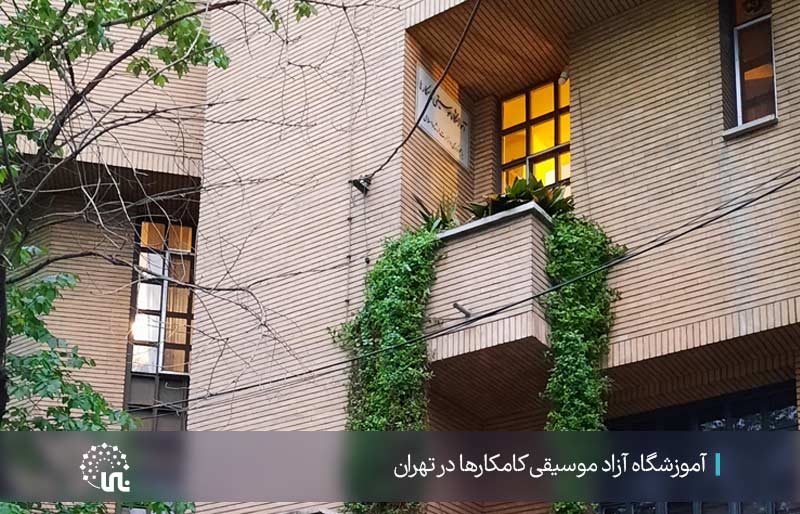
8. Music training by the Kamkars group: One of the important actions of the Kamkars' members in promoting Iranian music has been the establishment of the Kamkars music school. In 1356 (1977/78) they founded the Kamkars Free Music School in Tehran. In this school, members of the Kamkar group directly teach the Iranian local instruments in which they are skilled. Training and educating a new generation of musicians is considered another of this group's valuable services.
9. Holding Kamkars group concerts abroad and in various regions of Iran: The Kamkar family has tried to hold its concerts throughout Iran and even in neighboring countries. The Kamkars group's performances have been staged not only in large cities but also in counties and smaller regions. This work has caused Kamkars music to find fans nationwide and to attract a larger audience.
10. Enhancing social standing through public-interest work: In addition to artistic activities and performing music, the Kamkars have also undertaken charitable and public-interest work. Holding charity concerts by the Kamkars music group to help earthquake-stricken regions, patients, children and others is among these actions. Carrying out such activities has increased the popularity of the Kamkars music group and their social credibility. In addition to artistic aspects, people also like the members of the Kamkars group because of their charitable activities. This issue has increased public interest in the Kamkars' works and programs and has elevated their social standing.
Summary and conclusion
The findings show that the Kamkar family's activity is based on continuous interaction between Iran's national music and Kurdish local music. By combining these two musical styles they have created a new style. This group's work in introducing Kurdish music and culture at the national and international level and in setting a model for other Iranian music groups has played an important role in the development of the creative industries in Iran. The Kamkars music group has been able, through creativity in blending Iran's local and national music, the use of local language and attire, the use of indigenous Iranian instruments, and educational and public-interest activities, to attract a wide audience at the national and international level. They have also in this regard been a model for other artists and groups in innovation and creativity in Iranian music.
Machine-translated from Persian by Namafar; the Persian original is authoritative. Read the original in Persian