Amid the flames of conflict, occupation, exile, and resistance, the "book" in the history of the Palestinian people has not been merely a cultural or educational medium, but has become a symbolic weapon and a fundamental instrument for survival, identity-formation, and struggle. The relationship between the book and the Palestinian experience is a complex, multilayered story; a story in which narrative, memory, and truth stand against forgetting, distortion, and erasure.
The presence of Palestinian publishing at international book fairs
In recent years, Palestine's participation in international book fairs has taken shape in various forms; from a prominent and proud presence to protest efforts and even being pushed to the margins.
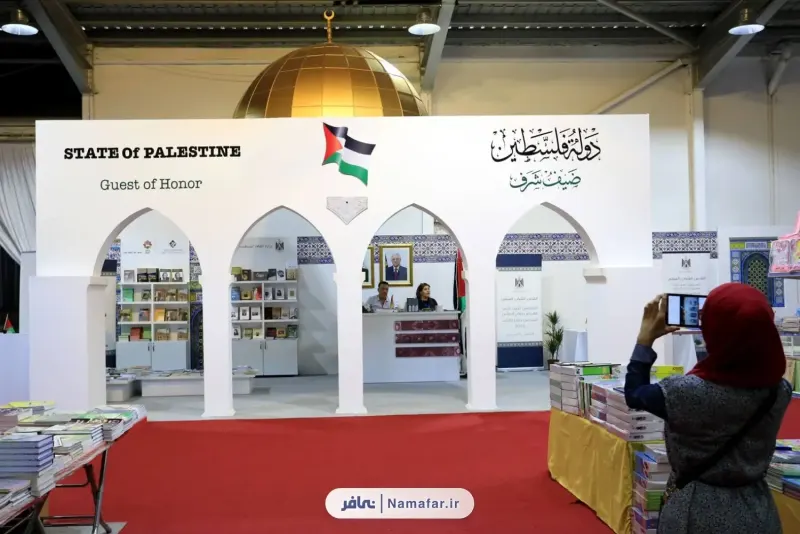
1. Doha Book Fair 2025: Palestine as guest of honor
One of the prominent examples of Palestine's presence at cultural gatherings at the world level relates to the Doha International Book Fair in the current Gregorian year. The organizers of this fair, by inviting Palestine as "guest of honor," hosted 11 Palestinian publishers for the first time. Presence at a fair with the participation of 522 publishing houses from 43 countries not only increased Palestine's cultural influence and created a space for their narratives; it also provided a setting for translation and new collaborations.
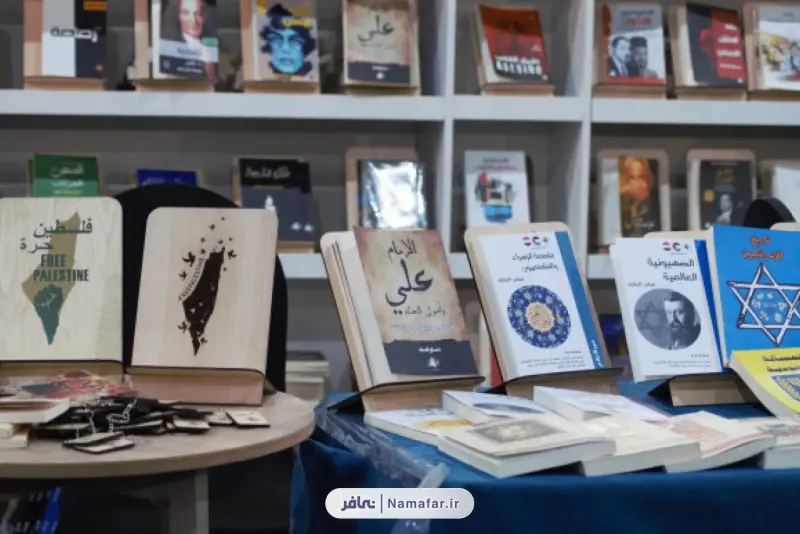
2. Cairo Book Fair 2024: a reflection of Arab solidarity with Palestine
In Cairo, people's interest in the Palestine issue was manifested in a tangible way in the atmosphere of the book fair. Historical and analytical books about Palestine were seen in most booths. And cultural and political symbols related to it, in the form of flags, supportive hashtags, and book-cover designs, displayed themselves throughout the fair's space. Also, an Arab publisher (Ensan Publishing), by producing notebooks and bookmarks with a Palestine theme, highlighted the cultural dimension of resistance. The broad reception of Arab audiences, simultaneous with the crimes of the Zionist occupiers in Gaza, showed that the Palestine issue still has a place in the heart of the region's culture.
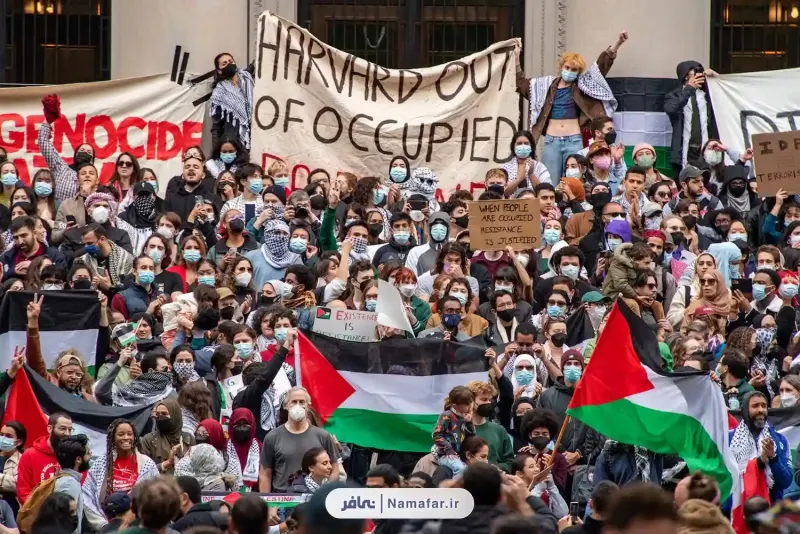
3. Frankfurt Book Fair: censorship and global protest
In one of the most controversial events, Palestine's presence at the Frankfurt International Book Fair was accompanied by controversies. The cancellation of a prize ceremony for a Palestinian writer (Adania Shibli) led to widespread global protests, including condemnation by prominent writers and the withdrawal of publishing groups from the fair. In response, the parallel exhibition "Liberatory Book of Palestine" was launched; a protest move that put a finger on the "suffocating silence" toward Palestine.
This was not the end of the matter, and the organization "Publishers for Palestine," by accusing the Frankfurt fair of complicity with Israel in "genocide" in Gaza, launched a campaign to boycott this event. The sum of these occurrences turned one of the world's largest cultural events into a battlefield of narratives and an arena for weighing supporters and opponents of Palestine.
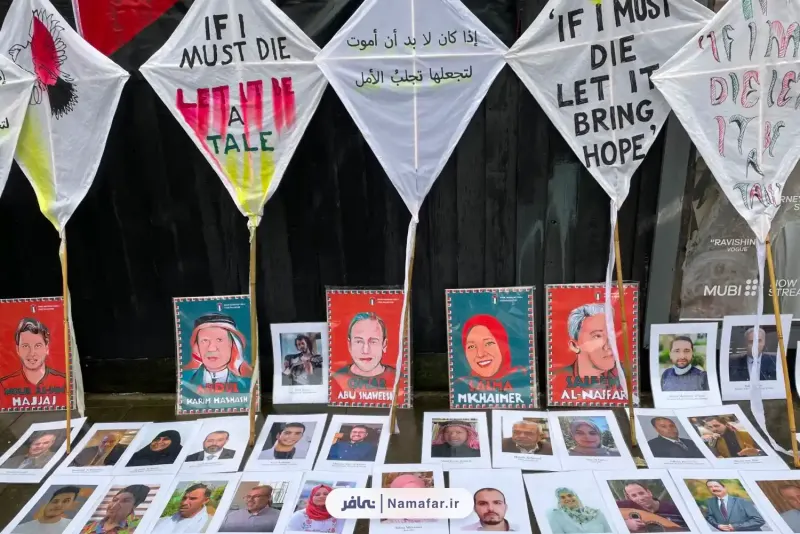
4. London Book Fair: Palestine's voice, present but limited
The London Book Fair too was a scene for reflection on freedom of expression and Palestine's presence in the arena of literature. The holding of sessions centered on the Palestine issue and a memorial for Palestinian writers who were victims of the war in Gaza was a step toward attention to these neglected voices. Even so, the number of official events about Palestine was relatively small. A matter that can be a reflection of an effort to control narratives and to push this issue to the margins of the mainstream publishing industry.
5. Other fairs: Bologna, Abu Dhabi, and reactions to Israel's presence
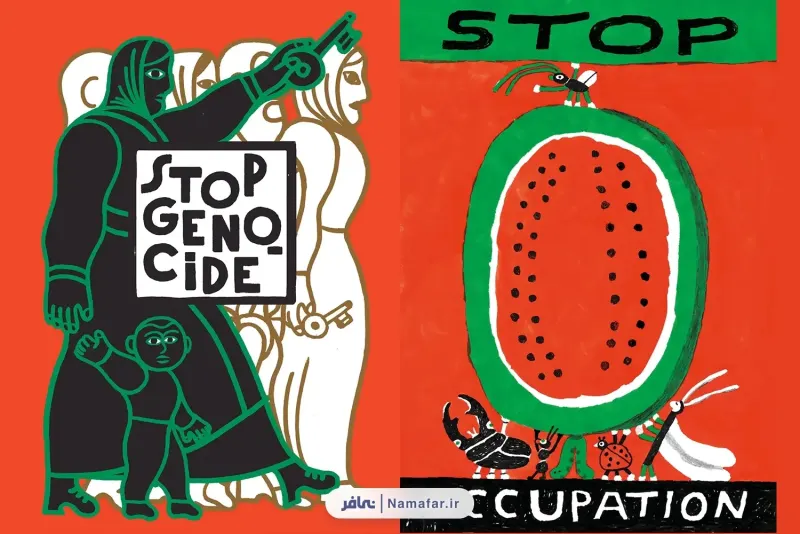
At the Bologna Children's Book Fair, projects such as "Drawing for Palestine" were carried out with the aim of awareness-raising and attracting financial aid. The "Institute for Palestine Studies" too, by being present at the Abu Dhabi Book Fair, emphasized Palestinians' scholarly and cultural participation in the international arena. Even so, Israel's presence at some of these fairs and the organizers' silence in the face of this regime's crimes in Gaza (especially against children) met with criticism and protest from cultural activists.
The Tehran Book Fair; a place where Palestine is always at the top.
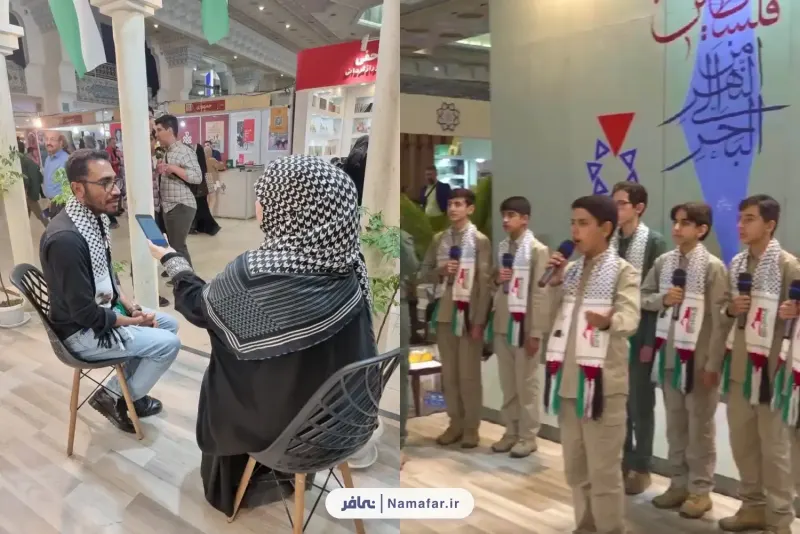
The Tehran International Book Fair has for Palestine been not only an opportunity but a permanent platform, and in its various editions halls and programs have been specially allocated to this subject. The holding of sessions such as "Resistance Literature" and the unveiling of books such as "Ranjha-ye Gaza" shows Palestine's special place in the cultural policymaking of this event. Palestinian literature in Tehran is represented as part of the strategic and ideological bond between Iran and Palestine.
Iranian publishers too, by publishing works related to Palestine, have supported resistance literature. The Palestinian keffiyeh, Arabic coffee, and traditional Palestinian music at the booths have given the fair a particular cultural color and given more tangible meaning to political solidarity. This event has become a platform on which Palestinian literature is heard, seen, and supported; something that in many other parts of the world faces censorship and restriction.
The Palestine Book Fair: cultural resistance in occupied land
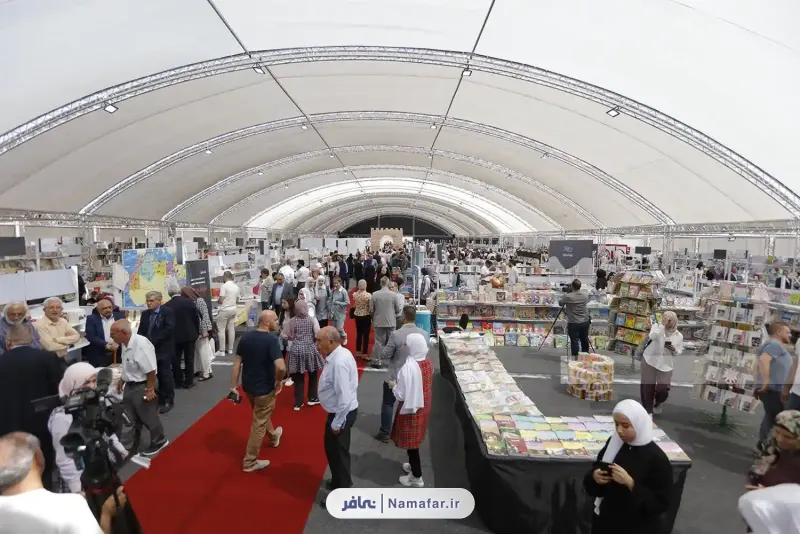
Inside Palestine's borders, an international book fair plays a key role in expanding reading, supporting writers, and preserving cultural identity. Domestic and regional publishers take part in this event and display cultural solidarity and resistance in the form of literature.
This fair is not only a place for selling books; events such as book signings, literary sessions, and diverse cultural programs have provided a dynamic space for transmitting the Palestinian heritage. In addition, slogans such as "From the Nakba to a state" also emphasize the historical continuity and persistence of the Palestinian narrative. Of course challenges such as restrictions on the entry of some publishers and writers from different regions of Palestine, and security pressures, also exist.
A culture that stays alive.
Palestinian literature, in the face of systematic suppression and cultural destruction, has become the main stronghold for preserving the identity and collective memory of the Palestinian people. Palestinian writers and publishers operate in conditions in which censorship, political pressures, and the targeting of cultural infrastructure are part of their everyday reality. The destruction of libraries and cultural centers in Gaza, and the removal of Palestinians' voice from international book fairs, indicate a coordinated effort to push the Palestinian narrative to the margins. In such a space, the continuation of literary production is not only a cultural act, but a form of resistance.
Despite these restrictions, a dynamic network of domestic and international initiatives has taken shape to support Palestinian literature. The "Maktub" project, with the aim of translation and confronting Orientalist stereotypes, the "Publishers for Palestine" platform, which operates actively in support of Palestinian writers, and literary-exchange programs with writers of other countries, all play an effective role in carrying Palestine's voice to the world. Also, a focus on children's literature and projects such as the "PalStaff bookshelves" help authentic Palestinian narratives be preserved and expanded across generations and geographic borders.
Final word
Palestinian literature, beyond an expressive instrument, has become the front line of this nation's cultural resistance. In a world in which a policy of erasure and censorship of Palestinian narratives is pursued with intensity, books, like silent but influential ambassadors, speak the truth.
From the passionate halls of the Tehran Book Fair to the censored platforms of Frankfurt, from children's booths in Bologna to protest platforms in London, Palestinian books and publishing have shown that, despite all the pressures, they will make their voice heard by the world.
Machine-translated from Persian by Namafar; the Persian original is authoritative. Read the original in Persian