Throughout history, humans have tried, with attention to their needs and wants, to facilitate various dimensions of life and, by using new technologies, to add to quality of life. In this regard, concepts such as study, reading, and the book have also undergone changes over time and have followed their evolutionary path. Democratization, or the popularization of reading, is also a concept that over time has led to the evolution and facilitation of methods of reading and of producing and presenting books. On this basis, the aim of this article is to examine the course of development and transformation of the book from the printed and pocket format to the digital book and its effect on the democratization of reading.
Transformations of the book across time
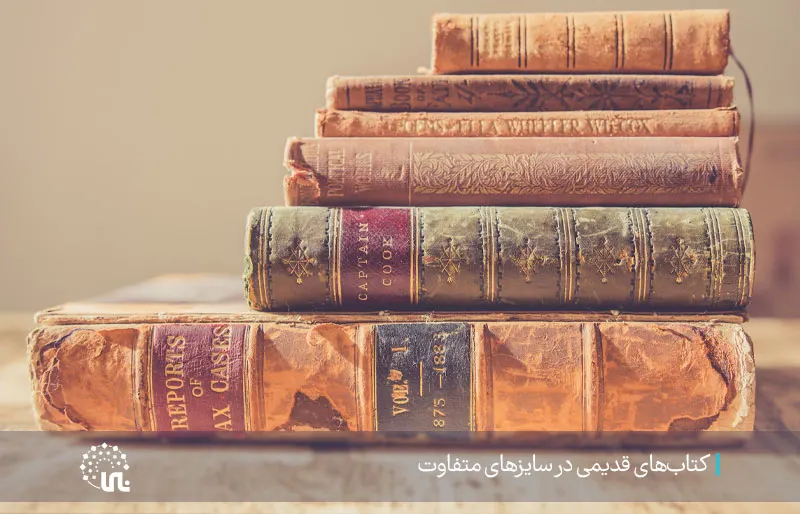
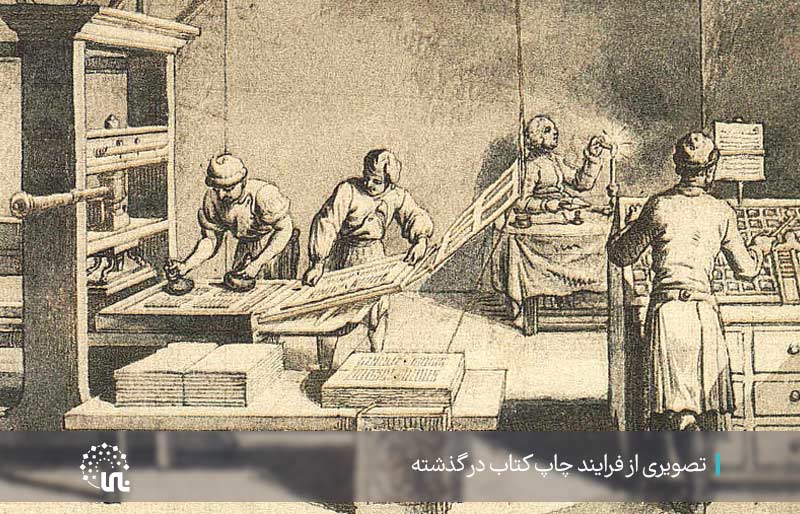
Throughout the history of the book and related products, changes have taken place that have arisen from the characteristics of the medium, production processes, and readers' needs. From long ago, book readers wanted the format of books to be adapted to their intended use. Even before the printed book, some manuscript book copies were also designed in such a way as to be portable, that is, small enough to allow the reader, while reading, to hold it in their hands and carry it. Larger books also met other readers' needs; for example, in the case of some religious works, the large format made it possible to read from a distance.With the invention of the printing press and the reduction of the time required for production and, as a result, the increase in the number of available books, the monopoly disappeared and this technology allowed several readers to have identical copies of a book. In addition, with more books becoming available, more people learned to read and write.
The pocket book; an all-encompassing presence of the book
Aldus Manutius in 1501 in Venice, Italy, published the first model of a book with a paperback cover (paper cover) to meet the need to produce smaller and cheaper books, which of course differed from today's paperbacks; this action has been referred to as "the Aldine revolution and portable libraries," which has had many effects on reading and the aesthetics of the book.Throughout history, books and readers have evolved on the basis of a dynamic synergy, and this relationship also depends on elements such as literacy. In the history of "the democratization of the book," there are two important events: the emergence of a mass of readers in the nineteenth century (because of a set of initiatives to promote access to education) and the paperback explosion in the postwar period.
In this period, the publication of books with soft and light paperback covers led to a reduction in book prices and the printing of cheap books. Unlike books with traditional hard covers, these new books became widespread and became available in various places. Among the successful brands in this field one can mention Penguin books, which published high-quality and affordable books. In addition to the inherent characteristics of Penguin books (format, price, quality, variety, ease of access), the most important impact of Penguin books on the history of the book and of reading was its symbolic characteristic, because these books represented the all-encompassing presence of the book and the reader and reading anywhere.
The high impact of the printed book and the digital book on reading
The emergence of printed books has helped increase the learning of writing and reading, and the way books are produced and consumed at the present time is strongly influenced by the rapid development of technology. This subject has a considerable effect on reading practices, because today we have moved from paper reading to reading in multiple media. Crossing from the printed book to the digital book changes the conditions of reception and comprehension through the media that present it to the reader. Therefore, understanding the practice of reading a book, whether in printed or digital format, is essential.Given these points, new forms of reading and new readers have been created, and at present talking about reading means talking about reading in digital format. At the same time, talking about reading on paper evokes the coexistence of the printed book and the digital book and the continued life of printed books.
The effects of technology on the amount and manner of reading
According to studies conducted in some countries, the main motivation for reading is pleasure, and with the addition of digital technology to the book field, the time allocated to reading has increased. The highest per-capita number of books read in printed format relates to China and the BRICS member countries (Brazil, Russia, India, China, and South Africa). In connection with reading digital books, research has shown that social and demographic characteristics such as education level and attendance at university have a large effect. Regarding book category (whether in printed or digital format), the highest reading statistics have related to novels and crime, thriller, and mystery books. Technical and academic category books also rank second in digital format and third in printed format.It should be noted that today informal reading is increasingly part of everyday life, so far more texts than those defined as reading are read in media other than books, such as newspapers or magazines.
The importance of smartphones for reading in the new century
Technological advances in the late twentieth century and the early twenty-first century, the evolution of the internet, and the spread of mobile devices have transformed cultural consumption such as music, books, and so on. Books can seek to attract the next generation on smartphones. For many people, mobile devices are the main connection with reading and writing. Reading on mobile devices is because of their tangibility and most users' mastery of using a touchscreen.The introduction of mobile reading devices has been a factor in a global change in the publishing landscape and has created a complex transformation in the reading ecosystem. These devices, in addition to storing books, create other capabilities through internet connectivity, among which one can mention linking with other content, connection among readers, sharing of reading materials, and so on. These items have caused audiences to take to this field.
Mobile devices provide an ideal mechanism for putting books into the hands of poor communities. These devices are the most widespread information and communication technology in history, present in places where books are scarce. This may be the same path that leads us to a new understanding of the pocket book in a new process of the democratization of reading in its current form, namely the digital book.
Summary and conclusion
In this article, the book has been examined as a goal for the popularization of reading and study. The evolution of media technologies and their constant evolution have led to the emergence of the technology people want for reading in each period and the appearance of various forms of the book, from printed and pocket to digital and electronic books.Although digital-book technology also exists on computers, tablets, and e-readers, smartphones have the greatest potential for the democratization of reading, because they are the most widespread medium, even in less developed countries.
It is necessary that further and deeper research be conducted in the field of mobile reading in developing and developed countries in order to strengthen the findings of this field. It is also necessary that comprehensive research be conducted in connection with the components of the democratization of the book in Iran and that its results be used by those involved in this field.
Machine-translated from Persian by Namafar; the Persian original is authoritative. Read the original in Persian