In a traditional view, before and after Islam the words newspaper, journalism, and perhaps the means of printing writings, decrees, yearbooks, and regulations have existed in Iran. This can be seen as a sign, however faint, of the existence of the book publishing industry in Iran on a very small scale. The original word for newspaper comes from the Pahlavi "ruznamak," and poets and great figures such as Ferdowsi, Onsori, Naser Khosrow, Khaqani, and Nizam al-Mulk have referred to this word. In the Ilkhanid and Safavid periods too, drawing on the experiences of other nations, efforts were made toward using printing techniques and establishing printing houses, which were at times successful.
Before Mirza Saleh Shirazi began the first distinct action in this field, some Iranians of the Qajar era, through British-ruled India, already knew printing, the printing house, the newspaper, and journalism. Mirza Abd al-Latif Khan Shushtari in the book "Tohfat al-Alam" in the year 1216 AH wrote an extensive chapter titled "Writing books by mold" about journalism in India. Abu Talib Muhammad Isfahani too, in the book "Masir-e Talebi" in the year 1219 AH, brought many materials on this subject. Qaem-Maqam himself and Abbas Mirza were also familiar with these techniques of the new world and knew them. Journalism and the printing industry in a formal and distinct form came into being in the Qajar era. It has been indirectly connected with the dispatch of students abroad and the performance of important figures such as Abbas Mirza and Qaem-Maqam, and directly with individuals such as Mirza Saleh Shirazi, Mirza Taqi Khan Amir Kabir, Aliqoli Khan Etezad al-Saltaneh, Mirza Hossein Khan Sepahsalar, and Mohammad Hasan Khan Etemad al-Saltaneh.
Printing and the printing house in Iran
The printing industry was first invented in a simple way in China in the time of the Tang dynasty (the first to third centuries AH). The turning point of the industry, however, is the German Gutenberg's invention of lead-type printing in 1448 CE. Gutenberg gradually completed the printing device of his invention and set in motion a printing machine with movable lead type. From this point on, the printing industry, as a turning point in the world's scientific and cultural history, played an important role in raising the quantitative and qualitative status of the press. The importance of Gutenberg's invention is such that it is regarded as one of the factors paving the way for the Renaissance. The history of the printing industry in Iran in the modern centuries has also been connected with this industry's transformations in European countries and has in a way drawn on the achievements of European nations.
The main actors of Iran's book publishing industry
The name of the printing industry is tied to the book. Iran's book publishing industry has 6 key actor categories. These 6 categories are:
1. Publishers' trade associations;
2. Publishers' trade unions;
3. Book creators' trade organizations;
4. Publishing industry trade organizations;
5. Councils; and
6. Book distribution and wholesale trade organizations.
In what follows we introduce the key actors of each of these categories. Also, the status map of the book publishing industry in Iran and the world, compiled by Namafar, provides the audience with a complete picture of this industry. Obtain this status map from here.
Publishers' trade associations
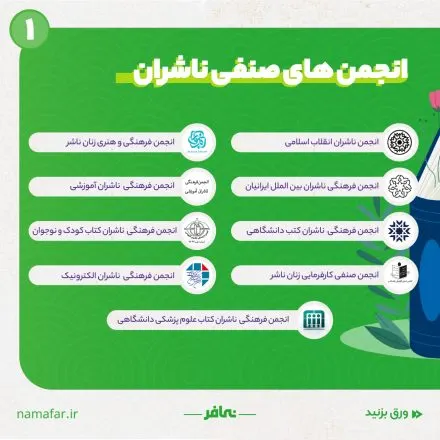 Figure 1 - Publishers' trade associations
Publishers' trade unions
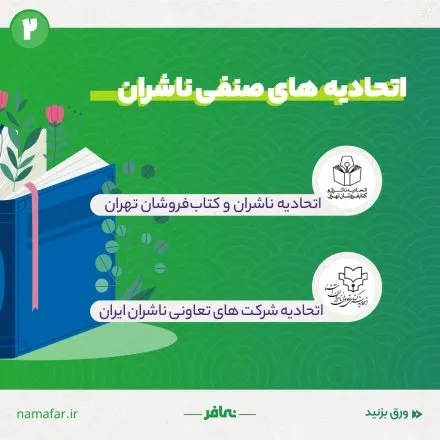 Figure 2- Publishers' trade unions
Book creators' trade organizations
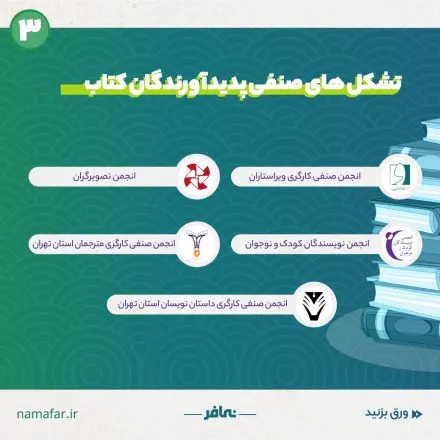 Figure 3- Book creators' trade organizations
Publishing industry, book distribution and wholesale trade organizations, and councils
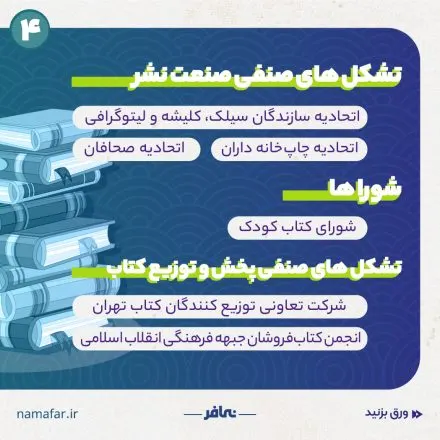 Figure 4- Trade organizations and councils
The key actors of Iran's book publishing industry are available here.
History source: the Oral History website available at here
Source for introducing the actors: Ministry of Culture and Islamic Guidance
Machine-translated from Persian by Namafar; the Persian original is authoritative. Read the original in Persian