The global tourism industry is tightly interwoven with external environmental factors, which makes it highly vulnerable to crises caused by natural disasters, geopolitical conflicts, and public health emergencies. These crises have significant effects on traveler behavior and the stability of tourism systems. Therefore, understanding the dynamics of crisis impact and its management in tourism, especially given the COVID-19 pandemic, has become an essential topic.
Tourism operates as an open system that dynamically interacts with sociocultural, political, economic, technological, and environmental dimensions. These interactions create a networked structure that is vulnerable to external shocks. For example, the terrorist attacks of September 11, 2001, by creating fear and reducing international mobility, disrupted the global tourism industry. Likewise, the 2008 global financial crisis highlighted the economic vulnerabilities of the tourism sector.
Crises that affect tourism can be divided into two categories, internal and external. Internal crises relate to the inside of organizations and can often be prevented with proactive planning and management. In contrast, external crises, such as pandemics, arise from external environmental factors and are outside the direct control of tourism stakeholders. These external crises, especially global pandemics, have extensive effects on tourism supply and demand.
Health crises and tourism
Health crises such as epidemics and pandemics create a unique challenge for the tourism sector, because they can rapidly disrupt mobility. The 2003 SARS pandemic is a key example of this dynamic. This disease, which began in China, infected more than 8,000 people globally and caused a sharp decline in tourist arrivals to affected regions. Its economic effects were significant, such that tourism-related GDP fell 25% in China, 15% in Vietnam, and more than 40% in Hong Kong and Singapore.
The interwoven nature of modern tourism intensifies the risks arising from pandemics. Increased global mobility facilitates the rapid spread of infectious diseases, as in the SARS pandemic international travelers carried the virus across borders. Tourists in less developed destinations often face inadequate health systems, which increases their vulnerability to medical risks. Despite the availability of preventive information, many travelers refrain from taking the necessary measures, which highlights the challenges of health risk management.
COVID-19 and its unique impact
The COVID-19 pandemic created an unprecedented challenge for global tourism. Unlike previous pandemics such as SARS or MERS, the scale and scope of COVID-19 were intensified because of globalization and the vital role of Chinese tourists in the international tourism economy. In 2018, Chinese tourists accounted for 21% of global tourism spending and played an important role in the economic prosperity of this sector.
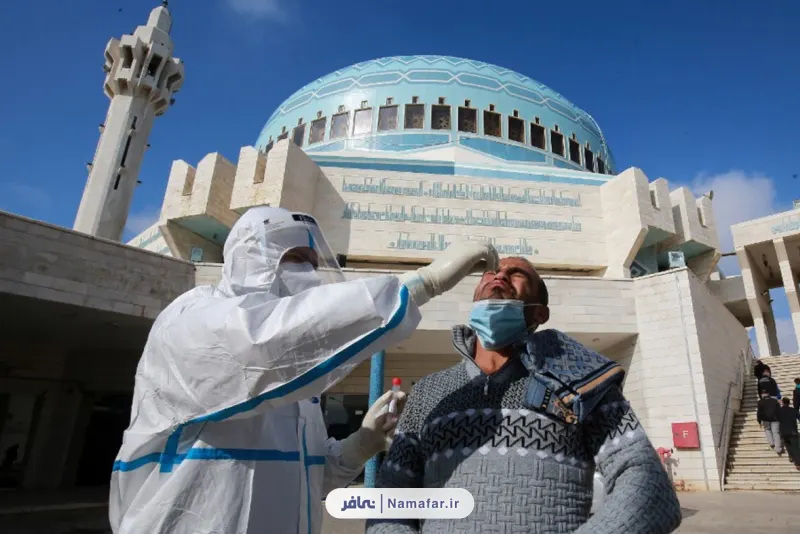
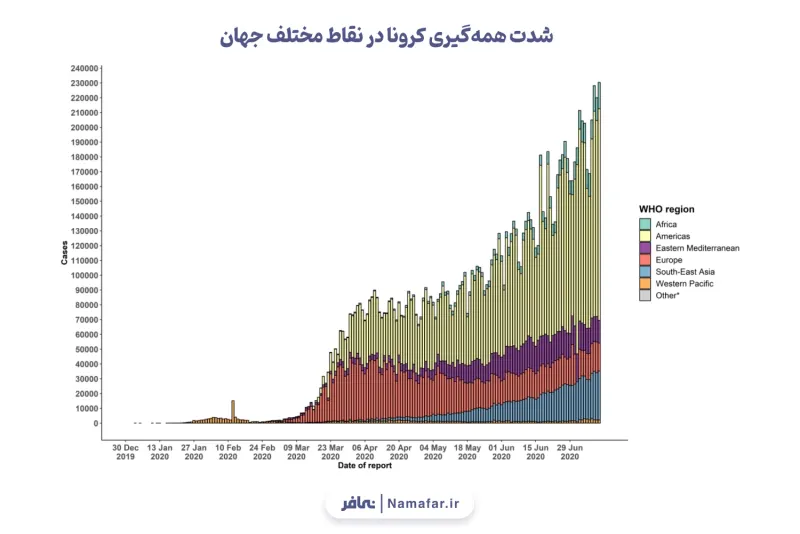
The rapid spread of COVID-19 led to widespread travel restrictions, border closures, and quarantines that effectively halted international mobility. The effects of this pandemic were felt across all dimensions of tourism and resulted in a sharp decline in tourist arrivals, revenues, and employment. In addition, the crisis changed travelers' perception of risk, placing greater emphasis on safety, hygiene, and flexibility in travel planning.
Crisis management in tourism
The increasing frequency and intensity of crises have emphasized the importance of effective crisis management in tourism. While tourism organizations previously focused on promotional strategies and market development, the COVID-19 pandemic revealed the need for robust risk assessment and contingency planning. Measures such as travel insurance, flexible booking policies, and transparent communication during a crisis have become vital for maintaining traveler trust.
The unique scale of the COVID-19 pandemic has revealed gaps in traditional crisis-management approaches. For example, travel insurance, which was previously considered an optional extra, has now become essential for many travelers. Refund and cancellation policies have also received greater attention, with travelers demanding more flexibility to adapt to changing conditions. These developments show that the tourism sector must adopt more agile and responsive strategies to manage future crises.
Studies show that the tourism industry is highly vulnerable to external crises, especially pandemics. Health crises disrupt this industry by changing traveler behavior, reducing mobility, and reducing economic activity. The COVID-19 pandemic, with its unprecedented global impact, has intensified these challenges and highlighted the need for more comprehensive crisis-management strategies. This study contributes to understanding these dynamics by analyzing travelers' reactions in the early stages of the COVID-19 pandemic and offers insights into the short-term and long-term implications for the tourism industry.
The COVID-19 pandemic had deep and immediate effects on global travel and tourism, disrupting travel plans, changing traveler sentiments, and creating significant financial and operational challenges. One notable consequence of this crisis was the widespread cancellation and postponement of travel plans, which occurred because of the rapid spread of the virus and the imposition of travel restrictions around the world. Travelers faced great uncertainty and frustration, especially regarding refund policies and difficulties in changing the timing of bookings. Many people expressed their dissatisfaction on online platforms and considered the responses of airlines and travel agencies inadequate.
Financial concerns emerged as a fundamental issue, and many travelers incurred significant losses because of nonrefundable bookings. This led to an increased inclination toward travel insurance, as people sought financial protection against the uncertainties caused by the pandemic. Flexibility in refunds and transparent communication from service providers became important factors in travelers' decision-making, as they tried to make the right decisions in rapidly changing conditions.
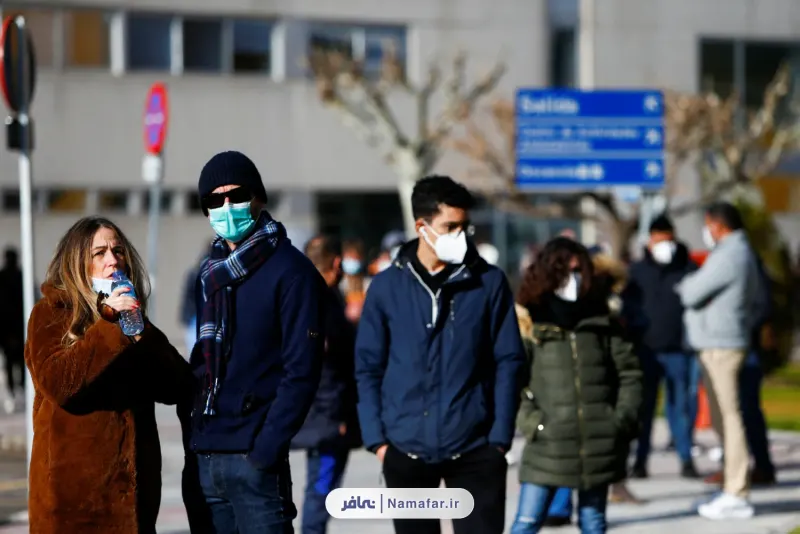
Health and safety concerns also played a central role in changing traveler behavior. Increased awareness of hygiene practices was clearly observed, and many travelers emphasized the importance of protective measures such as using masks, disinfectants, and observing social distancing during flights and hotel stays. These concerns significantly affected travelers' sentiments, so that the initial excitement and anticipation gave way to anxiety and hesitation. Analysis of online discussions showed that negative sentiments increased substantially, and many people expressed their dissatisfaction with how the tourism industry managed the crisis.
The impact of COVID-19 on tourism differed across regions of the world. Asian travelers, who were the first group to experience this crisis, raised their concerns earlier than Europeans and Americans. As the pandemic spread globally, European travelers reacted to the rise in cases and restrictions imposed by governments, while American travelers initially focused on the possibility of travel bans and then turned to health and financial concerns.
In response to these challenges, the tourism industry began to adapt to the new conditions and, by implementing flexible booking policies and emphasizing enhanced health protocols, tried to restore travelers' trust. Tourism businesses recognized the importance of proactive crisis management and of formulating more resilient strategies to deal with similar disruptions in the future.
Overall, the findings highlight the vulnerability of the tourism industry to global crises and emphasize the necessity of flexible policies, improved communication strategies, and a greater focus on health and safety measures to ensure a sustainable recovery.
Specific impacts of COVID-19 on the tourism industry of various countries
The global response to the COVID-19 pandemic varied significantly across countries and reflected differences in public health infrastructure, governance, and economic priorities. Countries that were heavily dependent on tourism, such as Italy, Spain, and Thailand, imposed severe travel restrictions while also providing financial support packages for affected businesses and workers. For example, Thailand introduced stimulus measures to encourage domestic tourism, while Spain focused on creating health protocols for the safe reopening of its tourism sector.
Some countries adopted innovative solutions to sustain their tourism industries during the pandemic. Virtual tourism experiences gained popularity and allowed potential travelers to explore destinations digitally. In addition, some destinations used this period to invest in sustainable tourism practices in order to create a more resilient industry after the pandemic.
The COVID-19 pandemic inflicted severe damage on the tourism sector of many countries. The extent of these impacts depended on each country's dependence on tourism as a source of revenue, their ability to control the spread of the virus, and the resilience of their domestic economies. In what follows, the effects of this crisis on key countries and various regions are examined:
1. Tourism in Italy: a severely affected country
Italy, as one of the great powers of global tourism and host of famous cities such as Rome, Venice, and Florence, experienced one of the sharpest declines in tourism. As one of the countries that was severely affected in the early months of the pandemic, Italy faced a 60 percent decline in tourist presence in 2020 relative to 2019. This country's tourism-dependent economy suffered a severe blow, and regional inequalities also intensified the crisis.
Key statistics:
- Italy was projected to attract 28.5 million fewer tourists in 2020 because of the pandemic.
- The Veneto region, as an important tourism destination, expected a decline of about 4.61 million tourist arrivals, while Lombardy faced a decline of 3.87 million people.
The hospitality industry and luxury spending:
- Hotel occupancy rates in Italy's major cities, including Rome, fell to 6 percent at the peak of the pandemic.
- Retail spending by international tourists, especially Chinese, Korean, and Japanese tourists, fell sharply in luxury goods and clothing markets.
These economic problems highlighted Italy's heavy dependence on international tourism and showed that this sector is vulnerable to the challenges of a prolonged recovery.
2. Tourism in Spain: an unprecedented collapse
Spain, the world's second most visited country in 2019 with 83 million arrivals, faced devastating losses in its tourism sector. The economic damage was especially severe in popular regions such as Catalonia, Valencia, and the Balearic Islands.
Estimated losses:
- Spain's tourism industry faced a possible revenue decline equivalent to 55 billion euros in 2020.
- Catalonia alone expected an 11 billion euro decline in tourism turnover.
Decline in hotel bookings:
- Hotel bookings by February 2020 had fallen 24 percent in Madrid and 20 percent in Barcelona.
- Major events such as the Las Fallas festival in Valencia were canceled, bringing additional financial losses.
Spain's position as a European tourism hub made the country highly vulnerable to the consequences of the pandemic, so that the effects of this crisis were felt across the hospitality sectors and the events industry.
3. Tourism in China: the center of the pandemic
China, as the center of the COVID-19 pandemic, faced significant consequences in its tourism sector. The country was one of the main players in global tourism, and Chinese tourists in 2018 spent about 227 billion dollars on outbound travel. However, the pandemic changed conditions drastically.
Key impacts:
- Hotel occupancy rates in China had fallen to 89 percent by the end of January 2020.
- Tourism-related stock prices experienced a sharp decline because of lockdowns imposed in cities such as Wuhan.
Psychological factors:
- The spread of the virus created a sense of insecurity among potential tourists, both inside and outside the country. Many travelers feared the occurrence of a new wave of infections, which reduced tourism demand in the near term.
Despite these challenges, China's rapid recovery in other sectors and strong government interventions prepared the country for a gradual return in domestic tourism.
4. Tourism in the United States: a paralyzing decline
The United States, as the world's third most visited country in 2019 with 80 million arrivals, faced a multidimensional crisis in its tourism sector. The pandemic severely affected airlines, hotels, and related industries.
The airline industry:
- Airlines received 25 billion dollars in financial aid, 25 billion dollars in additional loans, and tax exemptions from the government to prevent bankruptcy.
The hospitality sector:
- Revenue per available hotel room in the United States fell 11.6 percent by the week ending March 7, 2020.
- Major hotel chains requested financial aid from the government, and this industry demanded 150 billion dollars in support for its staff and operations.
Financial losses:
- The hospitality sector alone faced a 1.5 billion dollar loss from mid-February 2020.
The interconnected nature of the US tourism industry, which includes air transport, accommodation, and events, made the country highly vulnerable to the cascading effects of the pandemic.
5. Sub-Saharan Africa:
Sub-Saharan Africa, where one in every 20 workers is employed in tourism, faced a deep crisis. The pandemic's impact on international travel brought severe consequences for livelihoods and economic stability across the region.
Projected losses:
- The African Union estimated that the tourism and travel sector would lose more than 50 billion dollars.
- At least 2 million direct and indirect jobs were at risk.
Vulnerable destinations:
- Countries such as Seychelles, Cape Verde, Mauritius, and Gambia expected a 7 percent or greater decline in tourism-dependent GDP.
- These losses highlighted the vulnerability of developing regions with limited economic diversification and heavy dependence on tourism revenues.
6. Algeria's tourism sector: a limited impact
In Algeria, where tourism constitutes only a small part of the country's GDP, the impact of the pandemic was relatively limited. However, parts of the industry such as airlines and private travel agencies faced challenges.
Tourism statistics:
- Algeria in 2017 attracted only 2,451 international tourists, which indicates this sector's limited role in the national economy.
The airline and hotel industries:
- The national airline Air Algérie faced a loss of more than 320 million dollars because of the suspension of flights.
- Private travel agencies and hotels experienced a decline in revenue, which placed additional pressure on employees' purchasing power and the government's tax revenues.
The overall global view
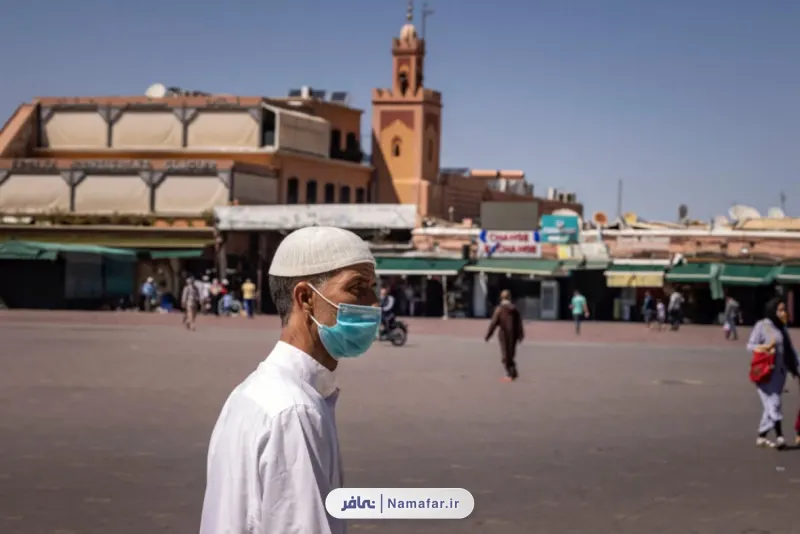
Countries with a high dependence on tourism, such as Italy, Spain, and Thailand, experienced disproportionate impacts relative to countries with weaker tourism sectors, such as Algeria. The pandemic highlighted the vulnerability of economies dependent on international travel and emphasized the importance of diversification and the implementation of sustainable tourism practices.
These case studies show the diverse ways in which the COVID-19 pandemic disrupted the tourism industry, from sharp declines in tourist arrivals and lost revenues to job losses and business closures.
For the future, the recovery of the global tourism industry will require coordinated efforts, innovative strategies, and strong support mechanisms to manage the long-term challenges the pandemic has created.
Tourism in Iran: the situation before COVID-19
Before the pandemic, Iran was steadily becoming known as a tourism destination. The country's cultural and historical sites, including Persepolis, Naqsh-e Jahan Square in Isfahan, and the ancient city of Yazd, attracted international tourists. Religious tourism, especially in cities such as Mashhad and Qom, also played a vital role in attracting millions of pilgrims annually.
In addition to international tourism, domestic travel was also an important part of this industry. Iranians traveled extensively during Nowruz and other national holidays and created economic benefits for various regions. The government had also identified tourism as a strategic sector for diversifying the economy and was investing in infrastructure development and promotional campaigns.
However, this sector faced challenges even before the pandemic. Economic sanctions had limited access to international markets, and regional tensions had deterred some potential tourists from traveling to Iran. The pandemic intensified these challenges and added new uncertainties to an already fragile industry.
Part one: analysis and assessment of the impact of COVID-19 on Iran's tourism industry
In 2020, the world's current tourism industry followed a process of analysis in which tourism stakeholders and the budgeting of proposed programs, based on traveler behavior around the world without imagining it, in the first three months of the year faced a global recession that the impact of the pandemic was creating. This crisis led to the spread of coronavirus, which created emergencies that prevented people from moving and planning trips, and produced warnings based on not traveling and the shutdown of the entire tourism services chain, including accommodation, food and beverage, recreation and entertainment, and travel transport worldwide.
It is predicted that the coronavirus crisis will bring world economic growth from an average of 3 percent to 2.5 percent. In fact, this is the same amount that the International Monetary Fund had described as equivalent to the prevalence of a global recession. Multiple sources in Europe report that despite the existence of economic incentives, transactions in financial markets are still declining.
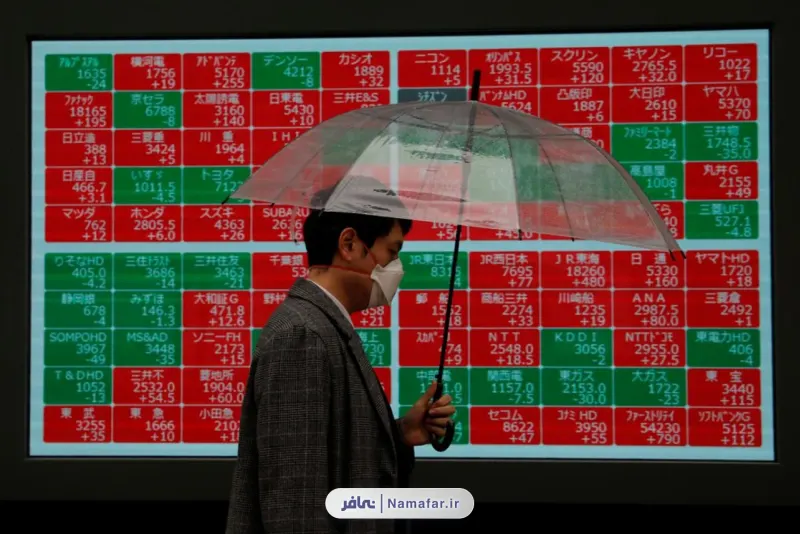
In Iran, the coincidence of the coronavirus outbreak crisis with the New Year holidays and Nowruz as the main period for domestic and outbound travel has caused all actors in the tourism industry to face an unprecedented risk. In the situation that has arisen, this industry, which was among the engines of growth and employment (outbound and inbound domestic,) during a period of growth and employment, has come to a complete shutdown, and in practice the status of this industry is considered an invisible export.
In this situation, activity chains and units dependent on them, including accommodation, food and meals, recreational and entertainment complexes, transport, and other downstream and upstream intermediaries, have suffered extensive damage and their employees have stopped work.
Although, because of the lack of a coherent statistical system in the country's tourism industry, a precise estimate of the effects of the coronavirus on this industry cannot be made, based on available evidence and statements by those involved, in 1398 (2019/20) Iran hosted about 8 million foreign tourists who were mostly attracted from neighboring countries. This led to considerable growth in the country's tourism in terms of attracting foreign tourists, such that Iran ranked among the top three countries in the world as one of the cheapest tourism destinations.
However, continuation of the current situation and the negative effects arising from this crisis can have escalating effects on the entire tourism industry services chain. If developed countries do not offer a prescription for adopting expansionary policies in this crisis, this situation can push society toward greater poverty and cause economic instability.
In Iran, the air transport industry has also been severely damaged by the spread of the coronavirus. This industry, in addition to the decline in demand for air travel, faced extensive challenges such as the closing of air and land borders by neighboring countries including Iraq, Turkey, and Afghanistan. This led to enormous losses for the country's airlines, losses that have been estimated at more than 3 thousand billion tomans.
The spread of the coronavirus caused about 90 percent of the country's air transport fleet to be grounded because of a lack of demand, and it is estimated that about 2 to 3 years will be needed to return to normal conditions. The country's airlines are currently in a "serious" situation, and if support packages are not provided to them by the government, they will be forced to further downsize their workforces. Also, many people, because of fear of contracting this disease, have abandoned the use of public land and air transport fleets and have preferred travel by private car.
In the travel and service agencies sector as well, substantial losses arising from the cancellation of air travel and the cancellation of tours have been reported. Based on the research findings, the losses incurred by travel and service agencies include the following:
- Domestic flights: 490 billion rials
- International flights: 2 thousand and 160 billion rials
The impact of COVID-19 on Iran's hotel industry
The hotel industry, which was once supposed to be the basis for tourism development and a facilitator of access without oil, was severely damaged by the spread of the coronavirus. Because of the decline in domestic travel and also the decline in occupancy rates of hotels and accommodation centers, this industry has lost about 70 percent of its workforce. Other tourism centers and facilities have also almost reached their lowest level of activity.
The head of the Hotel Owners Association of Iran has estimated the damage inflicted on the hotel industry from the start of the coronavirus outbreak to its end at more than 6 thousand billion tomans.

Economic consequences
The pandemic brought severe economic consequences for Iran's tourism industry. Travel restrictions and quarantines led to a sharp decline in domestic and international tourist arrivals. The hospitality sector, including hotels, restaurants, and tour operators, faced a significant decline in revenues. Based on industry estimates, hotel occupancy rates fell sharply, and many small businesses were forced to close permanently. This led to widespread unemployment among tourism-related workers and intensified the economic crisis.
Social and cultural impacts
Beyond economic losses, the pandemic also disrupted the social and cultural dynamics of tourism. Traditional events and festivals that were important attractions were canceled or held virtually. Religious tourism, as one of the main components of Iran's tourism sector, was especially damaged because pilgrimage sites closed or operated under strict health protocols. These changes transformed how people experience and participate in cultural and religious activities.
In addition, the closure of cultural sites, museums, and art galleries cut people off from their shared cultural heritage. These places, which often served as a platform for intercultural dialogue and community building, were no longer accessible and created a sense of cultural isolation. The decline in interaction between tourists and local communities also meant the loss of opportunities for cultural exchange, which is considered an important part of tourism.
Virtual adaptations tried to fill this gap. Iran's museums and cultural centers began offering online tours and exhibitions that allowed people to discover the country's heritage from their homes. Although this was a creative solution, it could not fully replace the immersive in-person experience. In addition, the lack of strong digital infrastructure in some regions limited the access and impact of these virtual measures.
Local artists and craftspeople who were heavily dependent on tourism to sell their products faced severe hardship. The pandemic disrupted traditional bazaars and marketplaces, which are vital cultural and economic centers in Iran. The decline in handicrafts sales not only affected individuals' livelihoods, but also created a threat to the preservation of traditional cultural skills and practices.
The pandemic also changed patterns of cultural consumption. With limited access to cultural activities, people turned to digital platforms for entertainment and education. This shift highlighted the potential of integrating digital tools into cultural tourism, but at the same time emphasized the need for investment in technology to improve access and engagement.
Environmental impacts
Interestingly, the pandemic also had positive environmental effects. The decline in tourism activities led to reduced pollution and reduced pressure on high-traffic tourism areas. Natural attractions that were under pressure because of large numbers of visitors experienced a period of recovery. However, the challenge of preserving these benefits alongside the revival of tourism remains, and it requires the implementation of sustainable practices.
Conclusion
The COVID-19 pandemic, with its extensive and multifaceted impacts, clearly revealed the vulnerabilities of the global tourism industry and especially of Iran. This crisis caused a sharp decline in revenues, a halt in travel flows, and a change in traveler behavior, and showed that tourism, as a tightly interwoven system, needs comprehensive and flexible planning to confront future crises. In addition to economic consequences, the social and cultural aspects of tourism were also severely affected, and the closure of religious and cultural sites limited social interactions. At the same time, the changes created in lifestyle and traveler behavior emphasized the importance of developing digital and sustainable tourism.
Given the experiences gained from the COVID-19 pandemic, the tourism sector needs to adopt resilience strategies, strengthen digital infrastructure, implement flexible health protocols, and put in place effective support policies. This crisis has provided an opportunity to rethink crisis-management practices and to make use of new technologies in order to create a more resilient and more sustainable tourism industry.
Machine-translated from Persian by Namafar; the Persian original is authoritative. Read the original in Persian