Most of the old cartoons that were broadcast on Iranian television in the 60s and 70s were made in Japan, even though many viewers at the time did not know this. "Heidi," "Anne Shirley," "Hanna, a Girl on the Farm," "The Children of the Alps" and "Daddy-Long-Legs" are all the work of one Japanese studio, Nippon Animation, and have been made from European and American novels. On this page we have listed old Japanese cartoons broadcast in Iran with original name, year of production and the novel they were adapted from, and then a short history of Japan's anime industry.
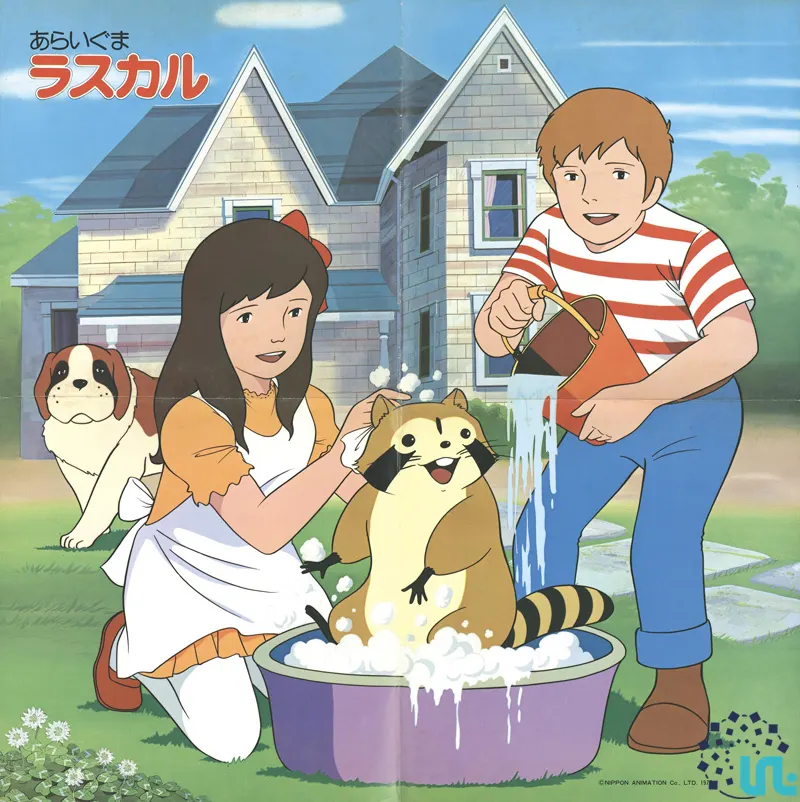
List of old Japanese cartoons broadcast in Iran
| Name in Iran | Original name | Year made | Adapted from |
|---|---|---|---|
| Hatch the Honeybee | Hutch the Honeybee | 1970 | original story |
| Heidi, Girl of the Alps | Heidi, Girl of the Alps | 1974 | the novel "Heidi," Johanna Spyri |
| Ikkyusan | Ikkyū-san | 1975 | the life of the Zen monk Ikkyu |
| The Brave Boy | Don Chuck Monogatari | 1975 | original story |
| Nick and Niko | Maya the Honey Bee | 1975 | the book "Maya the Honey Bee," Waldemar Bonsels |
| The Adventures of Sinbad | Arabian Nights: Sinbad's Adventures | 1975 | One Thousand and One Nights |
| Pinocchio | Piccolino no Bōken | 1976 | the novel by Carlo Collodi |
| Ramakkal | Rascal the Raccoon | 1977 | the book "Rascal," Sterling North |
| Bakhaneman | The Story of Perrine | 1978 | the novel "Bakhaneman," Hector Malot |
| Anne Shirley with Red Hair | Anne of Green Gables | 1979 | the novel by Lucy Maud Montgomery |
| A Girl Named Nell | Nell the Wandering Girl | 1979 | the novel "The Old Curiosity Shop," Charles Dickens |
| The Travels of Marco Polo | Marco Polo no Bōken | 1979 | The Travels of Marco Polo |
| The Adventures of Tom Sawyer | The Adventures of Tom Sawyer | 1980 | the novel by Mark Twain |
| The Adventures of Nils | The Wonderful Adventures of Nils | 1980 | the book by Selma Lagerlof |
| The Family of Dr. Ernest | Flone of the Mysterious Island | 1981 | the novel "The Swiss Family Robinson," Johann David Wyss |
| The Children of Walt School | Cuore, School of Love | 1981 | the novel "Heart," Edmondo De Amicis |
| The Travels of Miti-Koman | Manga Mito Kōmon | 1981 | the life of Tokugawa Mitsukuni |
| The Immigrants | Lucy-May of the Southern Rainbow | 1982 | the novel by Phyllis Piddington |
| The Children of the Alps | My Annette | 1983 | the novel "Treasures of the Snow," Patricia St. John |
| The Footballers | Captain Tsubasa | 1983 | the manga by Yoichi Takahashi |
| Khaleh Rizeh | Mrs. Pepperpot | 1983 | the books by Alf Proysen |
| Hanna, a Girl on the Farm | Katri, Girl of the Meadows | 1984 | a Finnish novel |
| Little Women | Tales of Little Women | 1987 | the novel by Louisa May Alcott |
| Daddy-Long-Legs | My Daddy Long Legs | 1990 | the novel by Jean Webster |
| The Young Archer | Robin Hood's Great Adventure | 1990 | the story of Robin Hood |
| The Legend of Three Brothers | Yokoyama Mitsuteru Sangokushi | 1991 | "Romance of the Three Kingdoms," a classic Chinese novel |
Several familiar cartoons of those same years, such as "Around the World in Eighty Days" and "Vicky the Viking," were co-productions of Japan with Spain or Germany and Austria. "Around the World in Eighty Days" was made by a Spanish company with Nippon Animation.
Why so many Japanese cartoons from European novels?
Most of the cartoons on this list are from a series named "World Masterpiece Theater" (World Masterpiece Theater) that Japan's Fuji network broadcast one installment of each year from the 1970s. Each season narrated a famous children's and young-adult novel, mostly European, in about fifty episodes. "Heidi" (1974) and "Anne Shirley" (1979) were directed by Isao Takahata and Hayao Miyazaki was the scene designer on both; these two later founded Studio Ghibli.
Among the reasons for the wide broadcast of these cartoons on Iranian television after the Islamic Revolution one can mention these: they had family stories, they avoided violence and romantic scenes, and their literary roots were defensible. Being cheap relative to American productions also had an effect on buying them. The Persian dubbing of most of them was the work of voice actors whose voices became one with these characters for a generation.
The Footballers
"The Footballers" is the Persian name of "Captain Tsubasa," which was made from the manga by Yoichi Takahashi. The manga was published from 1981 in Shonen Jump magazine and its anime was broadcast in 1983. It is the story of a boy named Tsubasa Ozora who dreams of making Japan World Cup champion. This cartoon was broadcast many times on Iranian television in the 70s and 80s SH and is still among the best-known Japanese cartoons in Iran.

Ikkyusan and Miti-Koman
Two other familiar cartoons have come from Japan's own history. "Ikkyusan" (1975, Toei Animation) is the story of the childhood of Ikkyu, a fifteenth-century Zen monk who solves riddles with cleverness. "The Travels of Miti-Koman" (1981) was also made based on the life of Tokugawa Mitsukuni, a ruler who in Japanese legends travels incognito with two companions and comes to the aid of the people.
Japanese theatrical anime on Iranian television
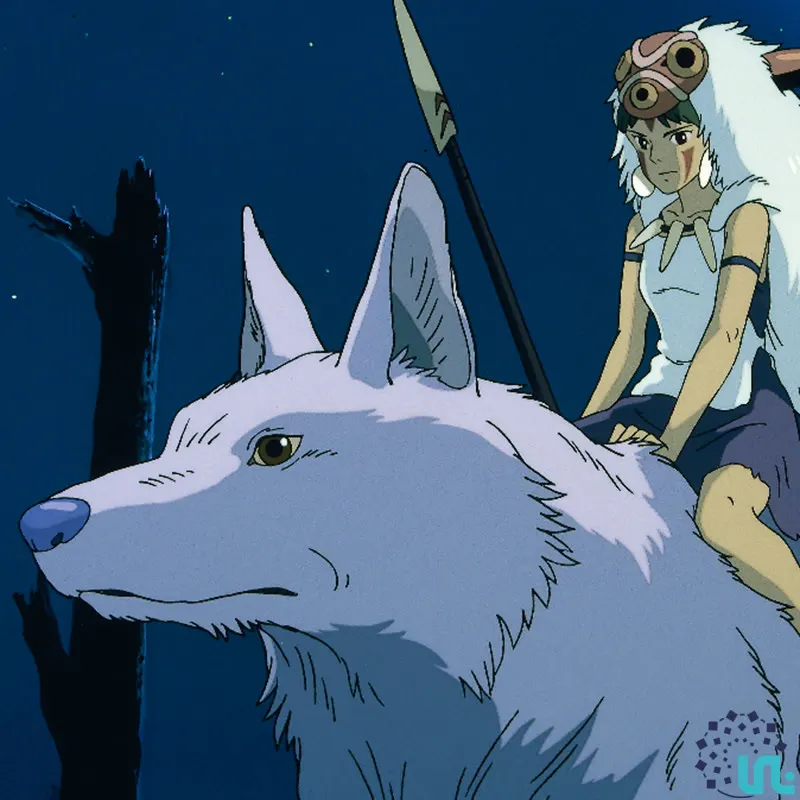
Anime feature films have also been broadcast on television with Persian dubbing, most of them from Studio Ghibli: "My Neighbor Totoro" (1988), "Grave of the Fireflies" (1988), "Spirited Away" (2001) which won the Oscar for best animation, and "The Tale of the Princess Kaguya" (2013). Television versions of some of these films were broadcast shorter than the original version.
A brief history of animation in Japan
- 1910s: The first Japanese animated short films were made by artists such as Oten Shimokawa, Junichi Kouchi and Seitaro Kitayama.
- 1945: "Momotaro: Sacred Sailors" was made on commission for the Japanese navy and is regarded as Japan's first feature-length theatrical animation.
- 1958: Toei studio made "The Tale of the White Serpent", Japan's first color feature-length animation.
- 1963: "Astro Boy" by Osamu Tezuka became the first weekly television anime series and established the model of low-cost serial production.
- 1985: Miyazaki and Takahata founded Studio Ghibli.
- 2003: "Spirited Away" won the Academy Award for Best Animated Feature.
For a fuller history of anime and its place in the global market, see A review of the history of anime and this industry's place in the world, and for the tastes of audiences in different countries see the anime taste dashboard.
Frequently asked questions
Which old Japanese cartoons were broadcast in Iran?
Among the best-known: Heidi, Anne of Green Gables, Hanna a Girl on the Farm, Daddy Long Legs, The Children of the Alps, Nobody's Boy, The Footballists, Ikkyu-san, The Brave Boy, Dr. Ernest's Family and The Adventures of Mitty-Coman.
What is the well-known animation style that originated in Japan?
Anime. In Japan this word is used for any animation, but outside Japan it refers to animations made in Japan with their distinctive visual style.
Which old Japanese cartoons were adapted from novels?
Most of the cartoons in the "World Masterpiece Theater" series: Heidi (Johanna Spyri), Anne of Green Gables (Lucy Maud Montgomery), Daddy Long Legs (Jean Webster), Little Women (Louisa May Alcott) and The Adventures of Tom Sawyer (Mark Twain).
Sources
- Catalog of Nippon Animation works and the World Masterpiece Theater series
- Zoomg, a list of nostalgic cartoons on Iranian television and anime broadcast in Iran
Machine-translated from Persian by Namafar; the Persian original is authoritative. Read the original in Persian