The handicrafts market, like any other market, is affected by various variables. Producers, consumers, sales models and so on are all among the items that must be considered in examining this industry. The report you will read below examines various variables in this industry. From here you can access various figures in the field of the country's handicrafts.
Who are the producers?
About 1.2 million sellers are active on the site Etsy (Etsy), which is the world's largest platform dedicated to handicrafts sellers. Tracking small businesses that use non-dedicated platforms such as Facebook, Instagram or in-person sales is hard. But a brief report on producers across the United States is available, based on Etsy's recent report.
- 87% of them are women
- Their average age is 39; by contrast, the average age of business owners in the United States reaches 50.
- 90% of them own their own handicrafts business; those who have a partner usually work with members of their own family.
- About 50% of them live in the suburbs of cities, but urban and rural producers also figure in these statistics.
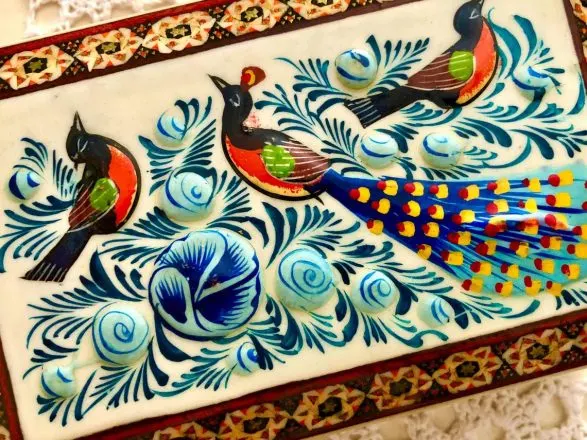 Iran's handicrafts on the Etsy site. A jewelry box.
About the businesses
- Half of Etsy sellers started their business with the aim of earning income (as opposed to activity aimed at creating a platform for expressing creativity)
- 81% of this group were looking to create side income; 30% of the total statistical population described their handicrafts business as their main employment.
- Most of these businesses are micro-businesses run by one owner/employee.
- Etsy's largest businesses, with gross merchandise sales of more than 290 000 dollars, have on average three employees.
- Etsy businesses, on average, make up 12% of a household's income.
- On average, 50% of the income of a handicrafts business is reinvested
How do producers sell their goods?
One of the biggest changes in recent years is that you do not need a shop to sell your goods. Even so, in-person sales are still an important option for some craftspeople. You no longer need to get Isfahan handicrafts from Naqsh-e Jahan Square; you can even order a turquoise pen case from Etsy in New York. The most important online platforms are introduced below along with the advantages and merits of each.
Etsy
- The largest and best-known dedicated online platform for selling handmade and vintage goods
- Small-business sales on Etsy make up 7.4 billion dollars of the US economy
- There are few barriers to starting activity on Etsy: there is no need to design a website, costs are low.
- Getting noticed, with millions of sellers, is hard work.
Amazon Handmade
- A dedicated marketplace for handicrafts producers that is supported and overseen by Amazon's structure and influence.
- Amazon's simple fee structure, which only takes the amount in question from the seller when the good is sold.
- Registration and approval are needed to start selling.
- At present, it offers limited options for the type of goods that can be sold
Facebook Marketplace
- Support for location.
- Selling through Facebook has no cost for the seller but does not include online commerce options.
- It operates without oversight.
- It is more a form of digital advertising than an option for direct sales.
Facebook Shop
- Minimal native e-commerce options.
- There are also more advanced and effective options for internet commerce, but they need a degree of technical knowledge to use.
- It shows the best return when used with another site that has internet commerce capability.
This is only a small sample of the online platforms available. The right platform for you depends on your needs, abilities and budget. Look for sites whose specialized field relates to the type of good you offer. For example, graphic designers can sell their digital product through Creative Market, while the Ravelry marketplace focuses exclusively on knitting arts. Although your direct competition may be harder, attracting audiences interested in your work is also guaranteed, which can be useful.
One of the biggest changes in recent years is that you do not need a shop to sell your goods.
In-person retail
A combination of internet and in-person sales is still vital for some producers. Even though events such as in-person fairs do not directly generate the revenue of online sales, they can, because of greater visibility, be a very good marketing tool. Negotiating wholesale partnerships with local businesses is also easier compared with internet customers. Notable options for in-person sales:
- Handicrafts fairs and festivals: These are very good opportunities to put your goods in front of the customer, but they can be costly in terms of time, cost and the equipment required. Start such activities on a small scale and after gaining experience proceed to sell on larger scales.
- Brokerage relationships: Partner with local retail stores to present your items in the store. You do not need to pay an extra cost to keep your space. In addition, when your items sell, both you and your partner profit.
- Wholesale relationships: If you have the ability to meet retailers' demand, selling directly to them can be a very good option – wholesale orders are larger and less frequent than selling directly to customers.
- Farmers' markets: More than 8 000 farmers' markets have been registered across the United States. Check your local regulations before you start selling, to make sure that selling non-produce items is legal.
- Galleries and cafes: This is an excellent option for artists; if you are not ready to hold your own gallery, partner with fellow artists or contact local cafes to see whether they will display your work. That way, customers contact you if they want to buy.
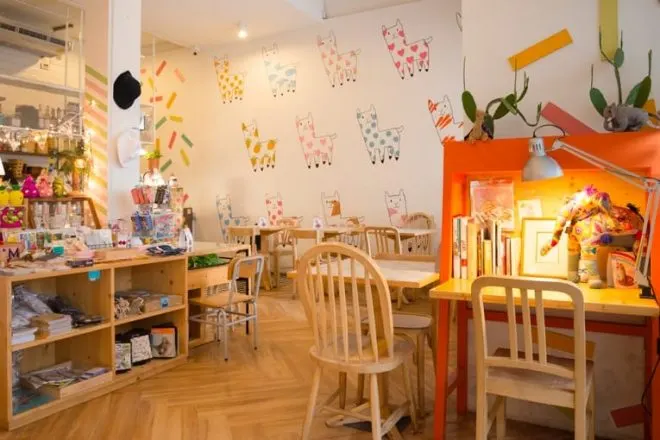 Cafes and galleries can also help with selling handicrafts.
Notable trends: where and how to sell your products
- Pop-ups: In-person retail is not going away, but the experience it offers is different from online sales. Pop-up shops or stalls are especially suitable for displaying and promoting luxury items. This kind of promotion is more successful on special occasions than at other times of the year.
- Social influencers: Look at these people as spokespersons for small businesses. Partner with prominent figures on social media to easily put your products in front of a larger audience.
- "Unusual" storefronts: Do not overlook unusual opportunities such as providing goods for staging homes for sale or designing the decor of ceremonies and corporate events. This trend, though unusual, is growing.
- Mobile sales: Every day more people shop via their mobile phones, so make sure that all of your digital platforms, especially your personal websites, are optimized for mobile devices and that it is easy for these users to find and buy your products.
What does the handicrafts market look like now?
This handicrafts market is very different from what, at least, we Iranians have in mind. We generally have to obtain each city and village's handicrafts from that same city and village; but the way of the world has changed. Online business on Facebook, Instagram, and sites such as Etsy and Amazon has brought a new meaning of access to handicrafts. Selling handicrafts in conventional ways still makes up an important part of this market, but selling the products of the world's most remote villages online is certainly a different experience.Machine-translated from Persian by Namafar; the Persian original is authoritative. Read the original in Persian