The coronavirus has dealt a huge shock to the fashion industry and forced companies, in order to survive in the market, to forget the industry's old methods and create new ones. If we call the present century the century of technology, it is not far-fetched to expect the application of technology in fashion as well. In this way, the fashion industry faced long-term changes that every fashion and clothing industry exposed to decline needs. The use of advanced technologies at the high end of the fashion industry, with the serious presence of mannequin robots and three-dimensional shirts, is among the innovations that have taken shape in this field.
How successful fashion designers use technology in fashion
Successful clothing designers have long embraced new technologies with open arms and begin working with these technologies by implementing models and applying strategies. New methods in the fashion industry have been put to the test, from an 84 percent increase in remote work to a 79 percent increase in the number of video conferences and a 58 percent increase in flexible working hours. Investing in technologies that enable effective employee interaction will benefit the team in the long run.
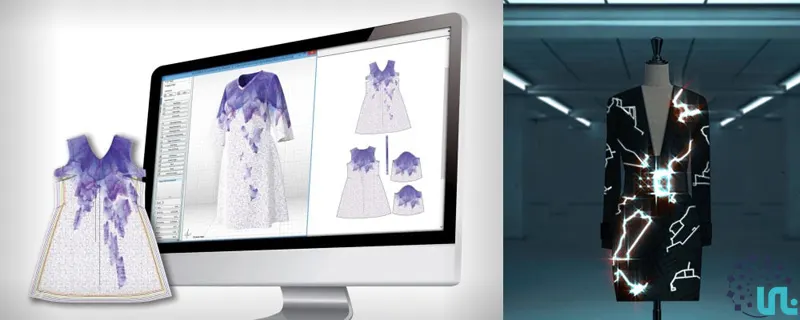
Specialized technology platforms that serve the fashion and style industry, from wholesale digital showrooms such as Joor to livestream startups such as Hero, have experienced increased demand. In this way, when the spread of the coronavirus accelerated, their average orders during the first two weeks of March 2020 in the United States rose by as much as 20 percent. Needless to say, the increased use of digital services such as Zoom, whose share price rose by more than one hundred percent, and Slack, whose number of daily users doubled because of the start of the outbreak, has added to the degree of success in fashion.
The necessity of using technology in fashion
Companies in various areas of the fashion and clothing industry are forced to take another look at their new and sensitive outlook. In addition to the aesthetic aspect, technology has further advantages. A good example of using technology in clothing is producing a garment equipped with pressure-sensitive sensors. This garment is capable of detecting injury and damage and is highly useful in athletes' clothing, where there is a likelihood of injury and pressure on the body.
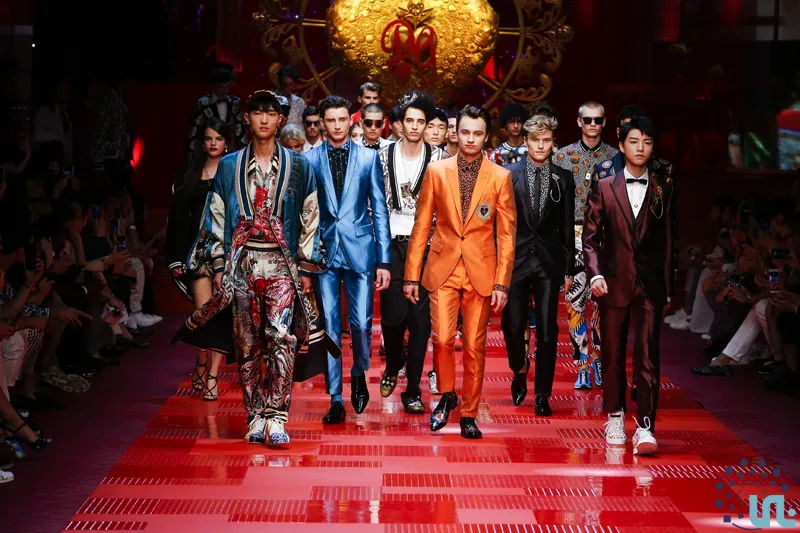
During the COVID-19 pandemic, because of mandatory quarantine and social distancing, stores faced production stoppages and closures. For that reason they had to try to find alternative revenue streams and identify new ways of working. The new conditions have forced fashion and clothing players to move strategies that have been in a trial phase for only a few months into the implementation phase as quickly as possible. Some businesses have turned to using technology in fashion such as virtual fashion shows and digital clothing shows, sample approval in factories or origin offices, livestream advertising, and the latest three-dimensional design tools. The use of technology in fashion for the wholesale sector has had a much slower pace. But the increase in the number of digital fashion shows and new B2B]1] methods is encouraging more fashion designers to enter this field.
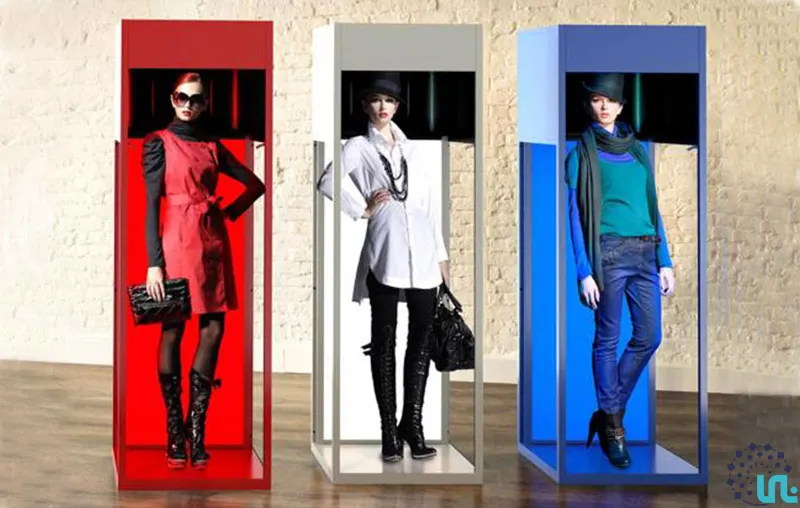
Doug Stephens, among the best in the retail field, said this in March about the use of technology in fashion and also the necessity and impact of technology on fashion: "Do not let innovation stop, because innovation is the window of opportunities. Use this situation to rebuild what you do and how you do it, give consumers new choices and values, and even rebuild your personal brand during this process."
How brands can progress by using technology in fashion
Fashion brands must have more flexible performance across the value chain, reduce the time buyers spend going to market, and respond more than ever to consumer trends and needs. For example, they should encourage designers and merchants to make faster decisions and drive brands toward a demand-based model accompanied by three-dimensional technology, virtual sampling, and AI-equipped programs.
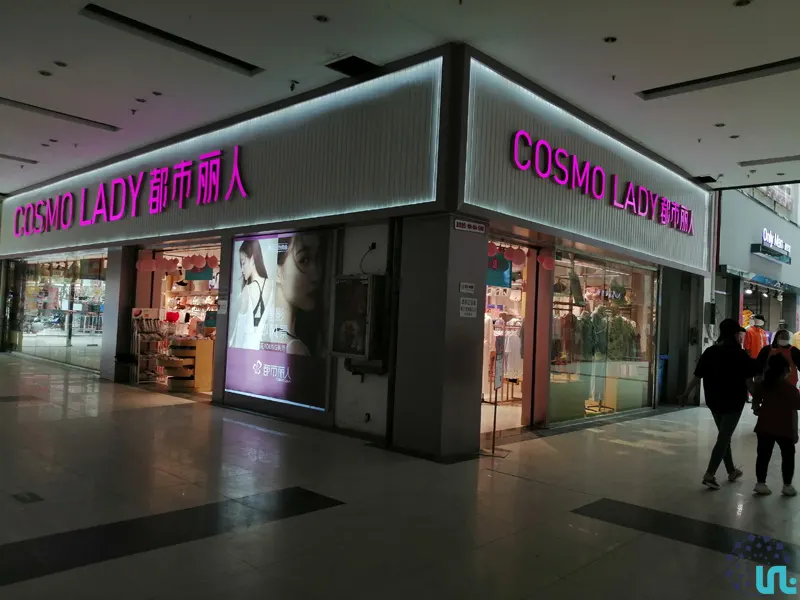
By taking consumers' new interests into account, brands make their products more creatively and benefit from the use of technology in fashion. For example, the Chinese brand Cosmo Lady has established and invested in an antibacterial underwear production line. This company action was taken in line with people's concerns about their health and has caused its share price to rise by as much as 21 percent.
Successful production-focused contingency programs during the epidemic period, such as moving the production site to Turkey during China's quarantine, encourage brands to take a creative look at common methods of manufacturing products. In response to strong eagerness to buy products made in nearby countries, outsourcing production to the nearest country to the country of origin (nearshoring) has increased.
The world's fashion weeks
From the standpoint of sustainability and investment, fashion week was considered a weak point for the fashion industry, and many observers regarded it as an obsolete industry. The idea of holding fashion shows that require costly travel and booking expensive accommodations. Also, the idea of holding several fashion weeks in several different cities throughout the year should be reassessed. Revisiting the fashion cycle and adopting new electronic formats and becoming a good example for the rest of the industry's domains is the responsibility of major fashion and clothing players.
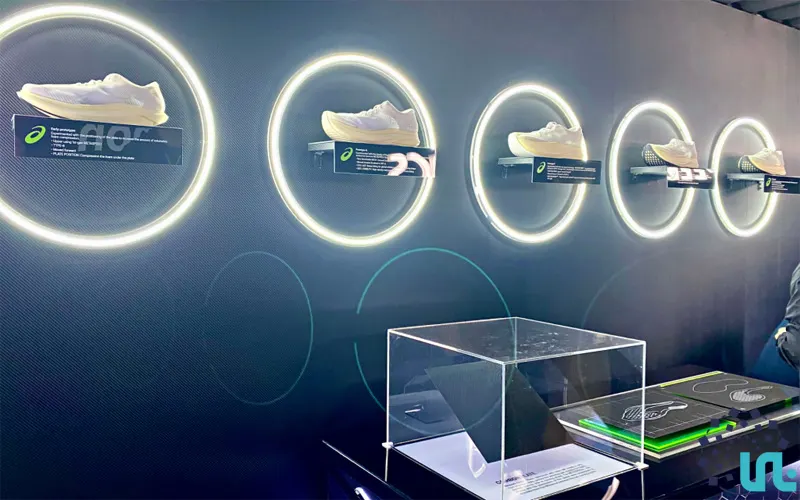
ASICS has used technology to introduce new sneaker models. Because of quarantine, the company was unable to invite international media to its headquarters and communicated with them through VR technology and sent Oculus Quest headsets to journalists so they could view the hologram. On the other hand, the Chinese showroom agency DFO used livestreaming during Paris Fashion Week to reach buyers in China, and in this way the number of people who took part in the livestream was about twice the number of people who usually travel to Europe for this purpose. This Chinese company was able in this way to reach more than 80 percent of its sales target; in fact, applications of technology in fashion have appeared far beyond expectations.
Continued use of technology in fashion after COVID
The main key to stimulating stronger actors is maintaining a vision of the future for success after the crisis period. For innovation to remain in the brands' environment, they must institutionalize innovation strategically in their roadmap and while implementing their methods, and change the fundamental model and business processes in order to align pre- and post-epidemic approaches. Fashion industry actors must identify and prioritize the innovations that have paid off during the crisis and benefit them the most. Brands must implement their innovations through "trial and error," which requires speed.
As soon as the intensity of grappling with problems eases, brands must address which part they should focus their attention on and also make long-term investments in the innovation sector. Technologies and processes that have been successfully implemented during the crisis period have a profound impact on the industry's future. Buyers and business managers gradually become aware of the advantages of the new methods and adopt the new methods.
Conclusion
A cautious assessment of business models and future market positioning allows shrewd designers to progress. Companies must now have strategic thinking about their future. This strategic thinking includes identifying financial leverage, converting capital into cash, seizing opportunity and collaborating with strategic partners, increasing revenue, and creating operational and financial stability in the early period of recovery. From all of this it can be seen that the application of technology in the fashion industry can bring many advantages to the currently exhausted clothing industry.
Machine-translated from Persian by Namafar; the Persian original is authoritative. Read the original in Persian