In the past year, today the cultural and creative industries play an important role in the world economy. Even so, companies and businesses in the cultural creative industries face unique challenges in the three stages of growth, continuity (sustaining growth) and the long-term survival of the business. These challenges mainly arise from two factors: constraints related to human capital and the tension between commercial goals and creative goals. These challenges have made effective coordination of the commercial (market) side and creative processes difficult and have become a prominent obstacle to the growth and progress of various kinds of creative businesses in a competitive environment. Creative companies in this situation, and in order to overcome these problems, have invented creative and innovative business models to sustain growth over time. Landoni et al.1 in the article "Business Model Innovation in Cultural and Creative Industries: Insights from Three Leading Mobile Gaming Firms"2, by studying the business models of the best game-making companies, have examined the effect of innovative business models on the sustained success of the creative industries. In what follows, drawing on the said article and using statistics and figures related to this field, we will examine the innovations of mobile-game makers in their business models — which have led to their success.
Creativity and revenue, the miracle of mobile games
While mobile-game revenue in 2011 was 8.6 billion dollars, this figure by the end of 2023 has reached 107 billion dollars. Android games, affected by digital transformations, have grown strikingly and have become the main player in the video game industry. Because of the speed and intense pressure of digital disruptions, the mobile games industry is an ideal case for studying innovation in the components of the business model in the field of cultural and creative industries.
Although digital technologies such as smartphones have provided new opportunities for game-making companies to reach users and consumers and offer their products to them. But at the same time, these same digital forces also shorten the life cycle of mobile games (products). In this situation, Android games can become popular quickly. But with users' attention and rush to the next product (game), they fade away. This dynamic competitive environment has made sustaining growth difficult for mobile-game companies.
The game-making companies Rovio, Zynga and King Digital have been able, by means of their games, to achieve considerable long-term growth and success. Examining and analyzing the business models of these three leading mobile-game companies reveals important insights about how to grow sustainably in the cultural creative industries.

Innovation within the bounds of resources and the business
Before examining and addressing the innovations of game-making companies in business models, attention to the concepts that have been used in these models can be helpful. The authors of the present article, using the two concepts of the business model and resources, explain how the business models of mobile-game companies have been innovated over time. The business-model concept highlights innovations in how the company creates, delivers and captures value, and the resource-based view also shows how innovation in the business model uses companies' resources to overcome the specific challenges of the creative industries.
Growth, development and maturity of mobile-game companies with creativity and innovation
An analysis of the indicators of the business models of the three game-making companies Rovio, Zynga and King Digital shows that distinct innovations, tailored to their strategic requirements, are underway in all three stages of growth, development and maturity of their life cycle.

1. Innovations in the growth stage of mobile games:
Mobile game-making companies at the beginning of their activity lack credibility and are unknown to users. In the early growth stage, game-making companies devote effort to gaining reputation and building a relationship with users by means of methods such as offering free game content for the rapid attraction of gamers, in-app game advertising to earn revenue, and launching spin-off products such as brand-related merchandise. These innovations help to quickly form a base of loyal users.2. Innovations in the development stage of mobile games:
In the development stage, mobile-game companies focus on new distribution channels and networks to reach more users and sustain growth. For example, the company Zynga, for exclusive access to users of the Facebook social network, partnered with Facebook. Likewise the game-making company King, by using Facebook platform features in its games, created considerable coordination and integration for its users. In other words, both game-producing companies Zynga and King have used the advantages of social media to accelerate their process of growth and development.
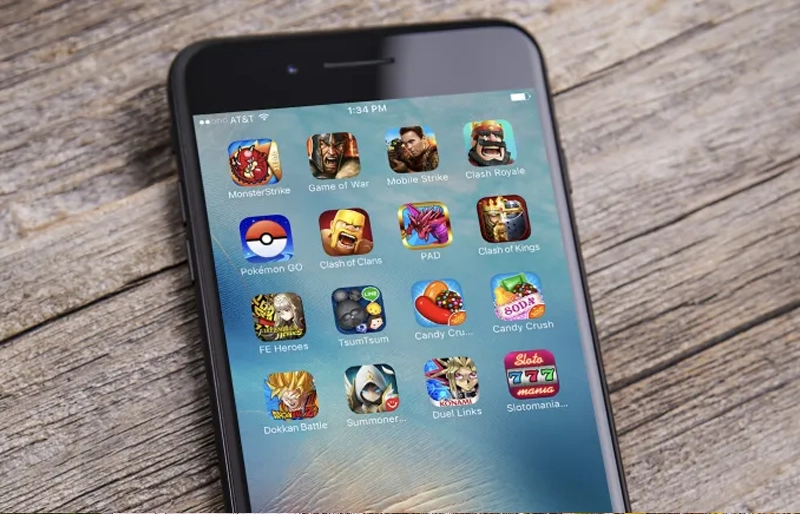
3. Innovations in the maturity stage of mobile games:
The best Android game-making companies need new mobile games (fresh content). On this basis, in the maturity stage game-making companies focus on producing content and releasing new mobile games. Creating development platforms to involve external developers in creating new and innovative mobile games allows phone game-producing companies to cost-effectively expand their product portfolio with new mobile games.
As was observed, the best game-making companies have been able, by using creativity and innovation in their business models, to overcome limitations such as a lack of reputation and credibility, slow distribution and development, and a shortage of their products, which arise from the tension between commercial and creative goals and from constraints related to human capital.
Conclusion
Innovation in types of business model can be a strategic tool for makers of mobile games and, more generally, for companies in the field of cultural and creative industries, and enable them to manage the commercial challenges and problems of businesses in the creative industries field. These companies can, by combining their resources over time, overcome constraints and, despite the challenges of the cultural and creative industries, sustain their long-term growth.Managers of companies that make games for mobile can, by using free content, in-game advertising and spin-offs to gain immediate reputation in the early stages of growth, partnering with the best social media for broad access and distribution in the development stage, and involving external developers through platforms to produce and release new games for phones in the maturity stage, steer their business and bring it to success. Given that domestic game makers in the past few years have made quite a few efforts in the game-making arena, especially Android mobile games, the findings of this note can be a path-opener for their qualitative success.
Machine-translated from Persian by Namafar; the Persian original is authoritative. Read the original in Persian