Animations are probably the most important connecting link of grown-ups to childhood, and they only when they watch animation remember the childhood period. Making animation takes place in various ways. The nice animations that are made and become guests of the eyes of small and large audiences all follow one elementary principle; the principle of setting objects in motion. Now whether it is a goat and a tree, or Dash in the animation The Incredibles who runs at the speed of light. What matters is that an image like a painting pass continuously before the audience's eyes so that in simple language we can call it animation.
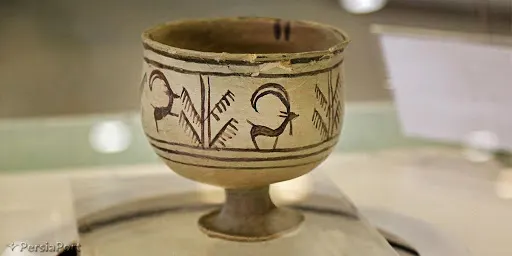
The animations that the older ones of the group remember are usually hand-drawn paintings, and today's animations are of the computer-animation type that put millions of dollars of expense on the producer's hands, and every day too the story's characters become more similar and closer to real humans.
- Do not miss this piece: Making animation in 2020, changes and advances
Animations have various types of which some are older and some are new, but regardless of being old or new, various styles have their own particular fans. Some of the various styles of making animation have become outdated over time, but which style is the most popular and which type of animation is it that has seized the delicate world of animations? Stay with us to the end of the text so that both childhood and youth memories are reviewed and you become familiar with the world of animation.
Traditional or classic 2D animation-making
In this method, the process of making animation is carried out by the manual design of each frame on paper. After that, the animator copies their designs onto transparent cels and colors them with predetermined colors and, by placing them on the desired background image, proceeds to tell their story in their desired order. Perhaps this method in today's age may seem a little commonplace, but the world's greatest animators at first with this same method created many memorable works such as Snow White and the Seven Dwarfs, Aladdin and Sleeping Beauty.

Making computer animation (2D and 3D)
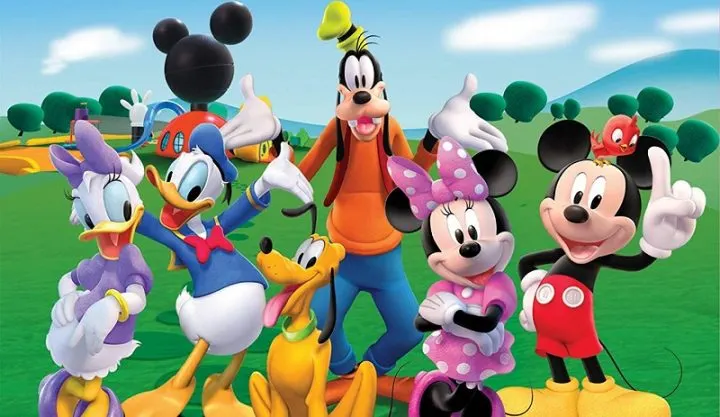
Making animation in this manner, which includes both the 2D and 3D types, is like the traditional method in which the design of frames is carried out manually; with the difference that instead of manual coloring, the designs are scanned onto the computer and are colored through software. The famous animation Mickey Mouse too has been produced by making use of these same 2D animation-making techniques.
Making digital 2D animation
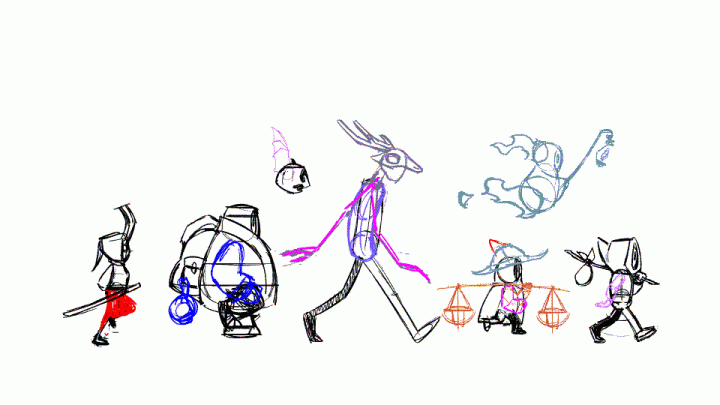
In this technique animators use the bitmap technique to create and edit animation images. With the help of software such as After Effects and Flash they design numerous keyframes and change these keys as they wish to bring about their desired final movement. In digital technology, the designs and background are colored and made by computer and in the end are placed on the work.
- Read this piece on Namafar's Virgool.
Stop motion
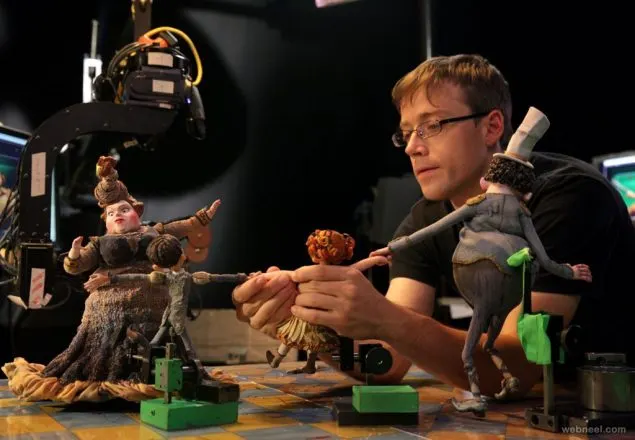
In this technique, the animator uses physical objects as their characters; in this way that by moving them in each frame, they photograph them and in the end, by placing these images side by side, they create their moving animation. Animations such as The Little Prince and Alice in Wonderland are among the animations made with the stop-motion technique.
Making clay animation
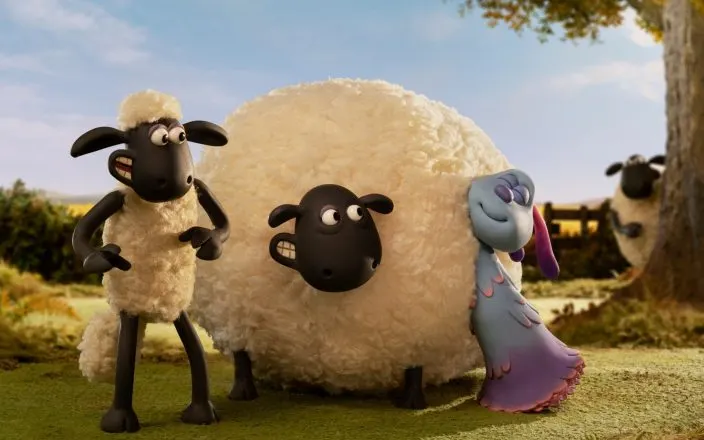
The characters in this model of making animation are designed with clay and the animator, by moving them frame by frame and photographing them, proceeds to make the animation. In this style, the animator must observe the principles of lighting and filming like a cinematic work. The animations Shaun the Sheep and Chicken Run are counted in the category of clay stop-motions.
Making digital 3D animation
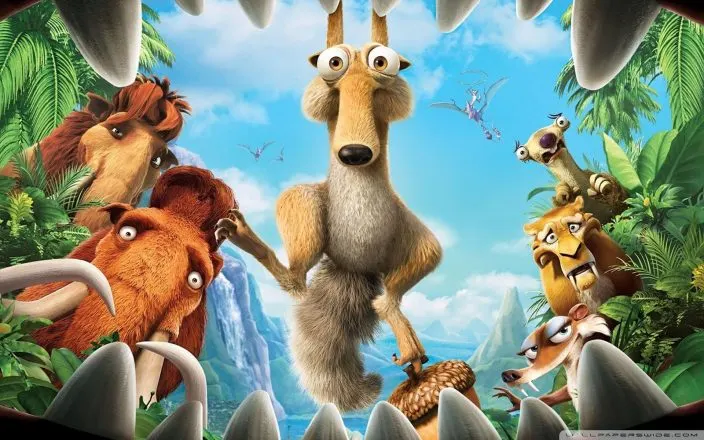
With the advance of technology and the appearance of the 3D animation-making technique, two-dimensional imaginary characters found an opportunity to become more real; because in three-dimensional space, with high depth and multiple viewing angles, they found the possibility of display. In this technique, the animation of images is carried out in more and more complex stages relative to previous methods. As a result of this process, a very striking and realistic narrative will be created. Advanced software such as Maya, After Effects, 3ds Max and so on is used in making digital 3D animation. There are numerous examples of 3D animation that have been able to transform the cinema industry and themselves become a global product. The animations Toy Story, Shrek, Zootopia, Ice Age and so on are prominent examples of this style of making animation.
This style of animation is the most common style of these days of the animation industry, and Disney as the leader of animation in the world has pocketed billions of dollars from this style. For example the animation Frozen, of which 4 short and long parts have been made, has in total sold close to 4 billion dollars. The size of the animation market in the world mainly relates to animations of this style and the side revenues resulting from it such as character merchandising and so on.
In the Bronze Age perhaps someone could buy Asurik through barter of goods for goods or at most paying one bronze coin, but today they make that same goat with millions of dollars and sell it for billions of dollars.
We kept our word and introduced the memorable animations. With which of these do you have a memory?
To view more statistics in the animation field, visit Namafar's site, Instagram and LinkedIn.
Source
Status map of the animation industry, Center for the Development of Culture-Based Activities
Machine-translated from Persian by Namafar; the Persian original is authoritative. Read the original in Persian