The relationship between the two industries of music and video games is constantly growing in various ways. Especially today, when video games have become a space beyond entertainment and, by creating virtual worlds and environments, have made it possible to experience various aspects of life. For example, in recent years this medium has become a platform for holding concerts, introducing new music, and an influential gateway into countries' music cultures. Events such as Travis Scott's digital concert in Fortnite, held in April 2020 with more than 12 million participants, demonstrate the enormous potential of collaboration between these two industries for engaging with audiences. Video games and music have become intertwined in this way in recent decades. Another factor in this intertwining is game soundtracks. In what follows, we will examine more closely the mutual effects of these two industries and their future opportunities and challenges.
The impact of soundtracks on the player experience
Video game music plays an important role in increasing the excitement and appeal of gameplay. According to research published in the Journal of the Audio Engineering Society, music can increase players' excitement by up to 30%. In addition, around 45% of players have stated that game music has created special and emotional moments of the game's story for them.
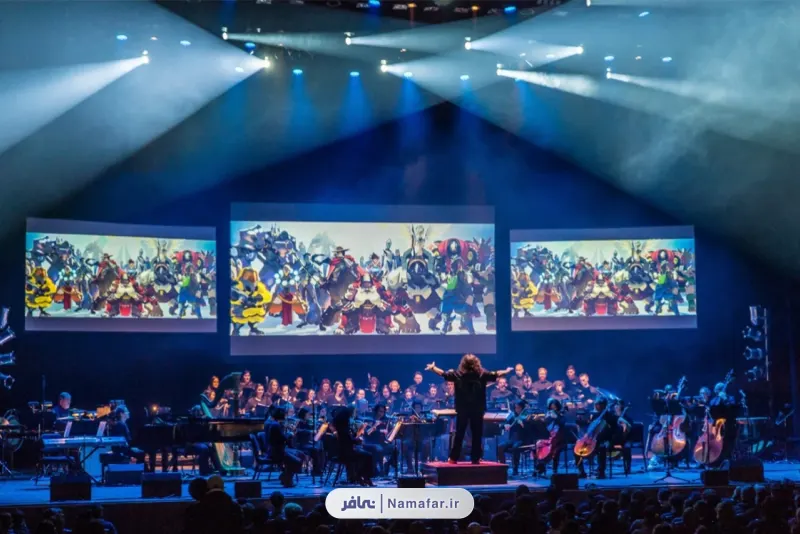
Video concerts of video game soundtracks
Video concerts for performing pieces from video game soundtrack albums give game studios and musicians a unique opportunity to connect with global audiences. Despite the significant growth of these events, organizing these concerts remains challenging. Selecting the right IP, obtaining permits, coordinating with orchestras, and managing concert production costs are among the obstacles that must be overcome.
Holding concerts requires careful planning. For example, booking a full orchestra can cost between $30,000 and $120,000. Also, adding visual elements such as large screens increases costs. However, these costs can be recouped through ticket sales, merchandise, and even digital release of the game soundtrack.
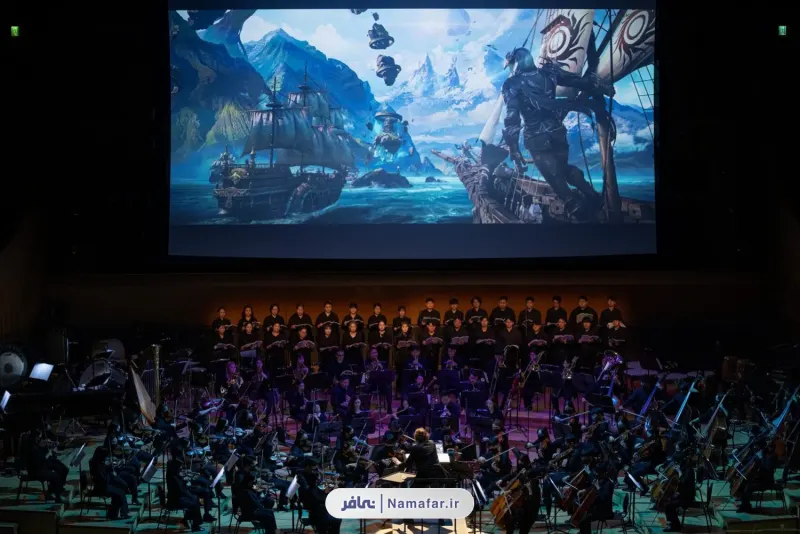
According to the 2023 video game audio industry survey, more than 91.2% of music for AAA games is written under work-for-hire contracts, so that the rights to composing and producing the music belong to the studio or publisher. However, this figure falls to 83.6% for mid-tier games and to 44% for independent games. In fact, the quality of game production and the cost spent on making them will have a direct impact on the profitability of their video concerts.
How will video games help attract music fans?
In 2022 the global video game industry alone generated about $184.4 billion in revenue, while the global recorded music industry earned $26.2 billion in the same year. This means the video game is a gateway for offering all kinds of music. In 2020 around 34% of Generation Z representatives (people born between 1997 and 2012) said that music they had heard in video games had introduced them to new artists and bands. This figure is much higher compared with previous generations, who use games less to discover music.
Video games, by integrating music into their gameplay, create more connection between music makers and gamers. For example, games such as Guitar Hero and Rock Band, by focusing on performing songs, have helped increase sales of music tracks and albums. Reports show that some artists, after their songs appeared in these games, experienced a 200% to 300% increase in sales. Games such as FIFA, which have annual music updates, attract new audiences for various albums and artists. Music in the FIFA game series has led to a 15% increase in sales of albums and singles that appear in these games.
The impact of streaming platforms on the future of game music
Video games have influenced players' musical tastes and introduced them to new genres and songs. 40% of players have legally purchased a track after hearing new music in a game. Gamers are said to spend an average of 10 hours a week playing and 7 hours listening to music, indicating a high overlap between these two activities. The video game music market is projected to reach a value of $1,451.2 million from 2024 to 2031 at a compound annual growth rate (CAGR) of 12.40%, and the role of streaming platforms in this should not be overlooked.
Music streaming platforms have a significant impact on the distribution and marketing of game music. Research conducted by the NPD Group shows that about 43% of players in games such as NBA2K and Grand Theft Auto use in-game music streaming media. These platforms not only help discover new music but are also a significant source of revenue for game producers and composers. The Spotify platform has had a notable share in this profitability. In 2021, more than 350 million active users of this platform were fans of video game music on this medium. This statistic clearly shows the impact of video games on platforms aimed at distributing music and introducing artists active in this field.
Final word
Interaction between video games and music has brought countless opportunities for both industries. Music not only improves the game experience but also acts as a marketing tool. On the other hand, video games have provided a new platform for discovering and releasing music. Challenges such as production costs and legal issues will also be solvable with the growth of technology. It seems that the future of these two industries will bring more innovations. Through music events, in-game music playback, and interactions on social networks, these two industries have been able not only to attract new fans but also to target broader communities of gamers and fans.
Machine-translated from Persian by Namafar; the Persian original is authoritative. Read the original in Persian