For some time, because of the spread of the COVID-19 virus, people's lives have been interrupted and shops have also closed. Creative technologies are entering the market every day. Movies capture children's hearts, and new channels draw young people's attention to social media. Now, in the midst of this, where is the future heading, what is its impact on the toy industry, and how will makers and retailers find their market? Change in the toy industry depends on factors that have taken shape today and are altering audience taste.
Kids Insights, a leading and thoughtful company in the children's market, presented a report in 2020 titled "2020 Future Forecast" in which some of the key trends of the coming year and the new decade are predicted. The report (2020 Future Forecast) discusses what impact these major changes will have on advertising, content, licensing (granting permits), marketing, production strategies and the retail of brand owners. In this piece we read:
1- It is time to redefine the audience
Children are constantly connected with one another, but unlike adult audiences, their only expectation is not to use content; they expect to be able to take part in producing, distributing and even advertising it as well. One of the best platforms responding to this need is TikTok. This social media platform, in the past six months, has been the most popular newly downloadable app for children 6 to 12 years old. The Minecraft and Roblox apps also have elements that allow audiences to take a share in producing content, which is something children like.
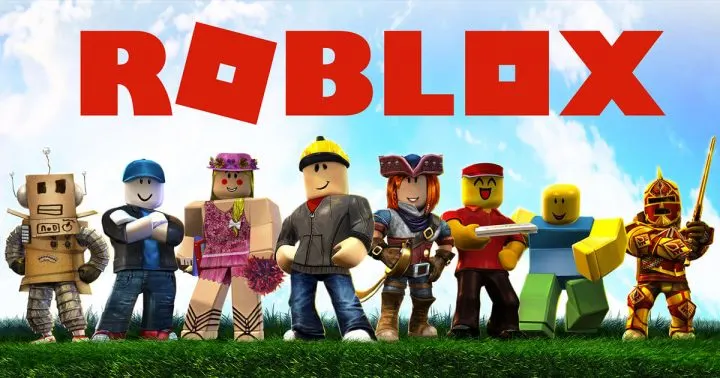 In the Roblox game children can choose any character they want, with any occupation and background.
 The TikTok app, which has recently been going through a great deal of controversy in the United States, has made it simple to create preferred content and share it.
While game companies and social media platforms have succeeded in using such strategies, traditional segments of the game industry have fallen behind the changes in the toy industry. In 2020, brands must have an ecosystem different from before that not only attracts audiences, but also evolves along with its audiences so that it leads to an improved user experience and also an increase in commitment to the product. Therefore the need to redefine the term "audience" is definitely felt.
In 2020, brands must have an ecosystem different from before that not only attracts audiences, but also evolves along with its audiences so that it leads to an improved user experience and also an increase in commitment to the product.
2- Generation Speak (smart speakers) has transformed the retail industry
One of the most important technologies of the past decade is AIvoice, which by developing smart speakers has overturned all the equations. The easy-to-use nature of voice-controlled devices has increased their global appeal. Meanwhile children too, despite not having enough experience using these devices, show a particular interest in them. Kids Insight data show that 17 percent of Indian children (internet users) prefer to control their devices by voice. This figure is much higher than in markets such as the US or British market; in these markets only 12 percent of children showed such a preference. The generation of voice-controlled devices (Generation Speak) is what brands must consider when producing products, content or marketing for the next generation. Just as retailers must take this into account when designing their product range, because the popularity of online shopping through smart speakers such as Alexa is growing every day among teenagers.
3-Offering products compatible with the environment and society
Quite apart from the fact that children and teenagers are impressionable observers, they have now also become environmental activists. The spearhead of children's activities is toward environmental crises. Last year's school strikes in more than 100 countries of the world, with the help and support of global organizations and parents, point to this. Surveys show that 34 percent of British parents are interested in teaching their children to care for the environment before they turn five. The number of teenagers who are concerned about the environment is higher in countries such as France, Germany, Italy and Spain than in other countries, and the largest share, at 47 percent, belongs to German teenagers (July to December 2019).
Therefore the importance of environmental compatibility for this generation of families is increasing and is gradually affecting their shopping habits as well. Companies now understand that having a clear and explicit environmental strategy is a competitive advantage for them. These companies not only have the ability to have a positive impact on children and teenagers, they themselves are also moving forward with the changes in the toy industry.
Children of today's world
In short, today's children and teenagers are very different from previous generations. A difference whose roots must be sought in the change in their taste from pure consumption toward ever greater participation. The toy industry revolution started a few years ago and is taking in societies one by one. Children show interest in voice assistants, take part in environmental issues, and for their entertainment, instead of using traditional toys, they create personal content. To see the signs of this, it is enough to take a look at the dust-covered dolls and cars and at TikTok videos that are updated every day. Namafar's figures on changes in the toy industry provide a complete picture of the transformations ahead.
Notes:
- This piece was published under the title " Predictions for 2020 the Toy Industry Should Know " on the website www.kidsinsights.com (open with a VPN👀😁). Namafar translated and published this piece on 18 Aban (October–November) 99.
Machine-translated from Persian by Namafar; the Persian original is authoritative. Read the original in Persian