In the past, games and toys were limited to a few models of balls, puzzles and so on. But is the world of games today like that? Just take a look at Google Play Store or Cafe Bazaar or the App Store to get to know millions of games suitable for children. This colorful world certainly needs rules. New trends in the game industry and new game rules will protect children. In the continuation of "5 factors driving change in the toy industry, part 1" we turn to advertising and in-app payments.
4- The future of advertising for children
As we enter the new decade, the pressure on advertising and marketing budgets is increasing. New game rules will in some cases be cumbersome. For example, YouTube is ending targeted advertising on videos that children like. Targeted advertising is a type of advertising that, according to the audience's taste, offers them specific suggestions. For example, by tracking your history of activity on the internet, your interests are identified and then products matching these interests are offered to you. In this state the chance of you skipping the ad and the product is probably at a minimum.
These changes will potentially disrupt the business model of video creators on the YouTube platform. They will also create problems for brands whose ads are shown on YouTube. The reason is that removing personalized (dedicated) ads from children's videos sharply reduces marketers' return on investment.
YouTube is ending targeted advertising on videos that children are interested in watching.
Not showing targeted ads will mean that brands will either have to face a drop in revenue or allocate their budget elsewhere. Little by little brands will have to look for creative methods to get a return on investment. One of these methods, which some companies are already using, is using content as advertising. For example, the toy company Mattel has decided to invest in film and in releasing live-action versions of Barbie Hot Wheels and Masters of the Universe.
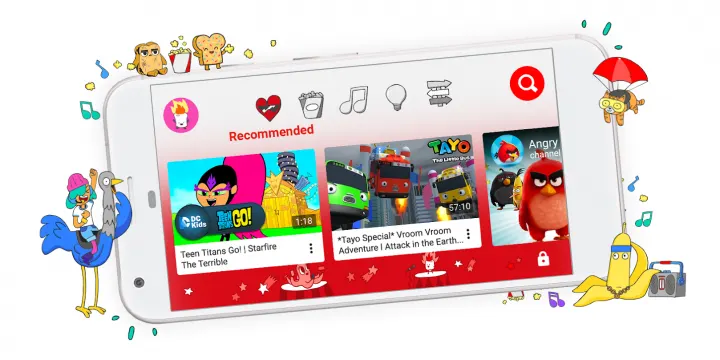 YouTube is ending targeted advertising in videos prepared for children.
It is expected that over the next 5 years, the greatest growth will relate to the fields of computer sports competitions (eSport), gaming and virtual reality; of course these fields already also have the largest child audiences. Perhaps in the future brands will be able to use these platforms for advertising in order to introduce their brand to children.
5- The future of in-app payments for children
The children's app market is growing at a striking rate. Since the beginning of 2018, the number of British children who pay money to buy apps or make in-app purchases has gone from 25 percent to 60 percent. The number of children who pay at least one euro a month has, over this period, risen to 71 percent.
Game apps have successfully used this "microtransaction" model (paying money in exchange for receiving certain items). Many popular applications and games run on a "freemium" (freemium) (free but with in-app payment) model in which players are encouraged to buy extra content and items inside the game. This field has so far not been precisely regulated (children make purchases while experiencing the game (In Experience=INXP) and connections have also been created between paying money and children gambling).
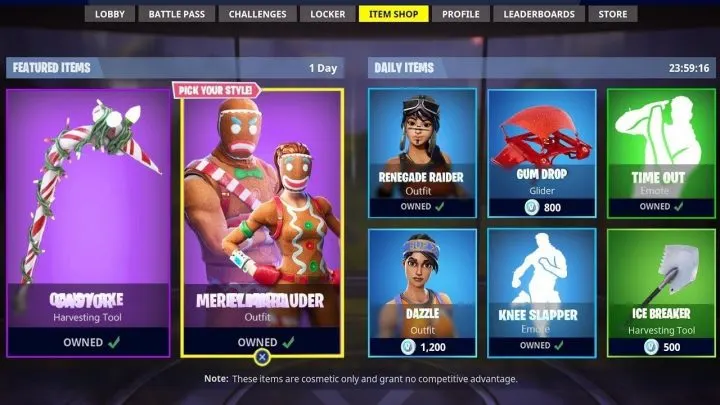 Many games are offered with in-app payment.
In a report by the UK Digital, Culture, Media and Sport Committee (one of the committees affiliated with the English Parliament) it has been suggested that these types of apps and games limit their sales to children; a move that could transform the business model of free games and apps.
What will become of companies' future?
Research shows that advertising imprints itself on a child's mind. For this reason laws are needed to limit the offering of some ads to children. It appears that the new game rules will take away the freedom of action of companies in this field. In the future companies will not be able to use just any content for advertising and from now on they must look for alternative methods. They also will not be able to continue their in-app payments indefinitely and in the future they will face restrictions.
Notes:
- This piece was published under the title " Predictions for 2020 the Toy Industry Should Know " on the website www.kidsinsights.com (open with a VPN👀😁). Namafar translated and published this piece on 18 Aban (October–November) 99.
Machine-translated from Persian by Namafar; the Persian original is authoritative. Read the original in Persian