The Tehran Museum of Contemporary Art is recognized in Western media as one of the world's richest art museums. This museum's wealth has been estimated at up to ten billion dollars, that is, one-tenth of the government's entire budget deficit. Today this museum should be viewed as a fortune, and its capital should be brought out of stagnation. When the wealth of a museum is spoken of, what is meant is its intellectual property, which belongs to the museum. In addition to the physical, material copy of each work, museums also hold its intellectual version. That is, the idea of the work, the design, and the thought behind it also belong to their owner, namely the museums.
Architecture of the Tehran Museum of Contemporary Art
The Tehran Museum of Contemporary Art of Iran was established at the time oil money was pouring into the economy in the 50s, and exactly one year before the Revolution. Following Farah Pahlavi's interest in modern and postmodern art and on her order, works by renowned modernist artists were purchased and displayed in a museum with entirely modern architecture. This also attracted Europeans' attention. The works in this museum generally fall under conceptual and minimal art. Renowned artists such as Renoir, Pablo Picasso, Claude Monet, and Vincent van Gogh are involved in this museum. Names to which the history of contemporary art is tied. These features have made the Museum of Contemporary Art one of the ten leading collections of modernist and modern art in the world.
Establishing such a museum in Iran is, of course, a matter of question and criticism. Why a museum of modernist art works should be assembled in Iran, a country that has its own artistic background and the vast majority of whose people make no connection with these works. Works that have not the slightest affinity with Iran's culture and history and cannot help the growth of culture and art. In the summer of 1401 (2022/23) the Museum of Contemporary Art decided to display some works stored in the treasury. These works were modernist paintings or sculptures whose display had for whatever reason been prevented. But the reception of the exhibition was striking. Of this exhibition, which included 130 works by 34 artists, 17 thousand people visited in only about one month. The Guardian news organization locates the root of this unusual reception in Iran's young population. A population 50 percent of which is under 30 years of age; it is natural that part of it would be interested in modern art.
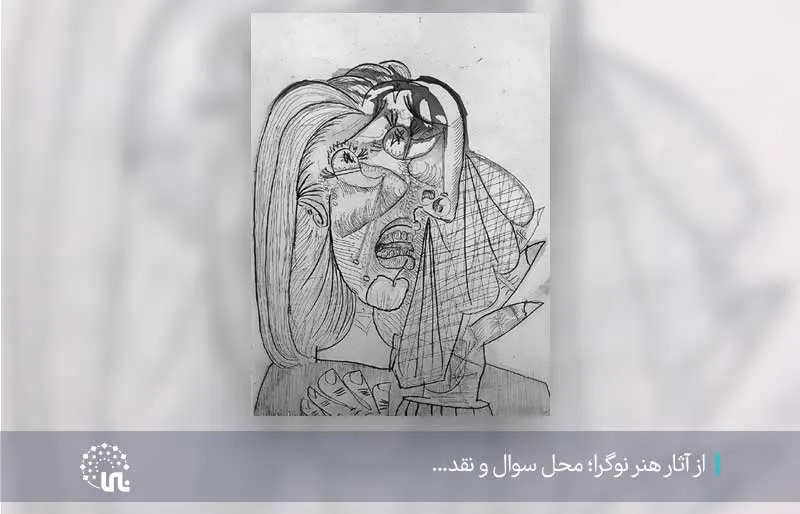
Goods made using the designs of museums' artistic masterpieces
For many people, visiting a museum may be a tiring pastime, but there are those who take ideas from the works full of design, color, and ideas in museums, or purchase them, in order to produce physical or computer products. These unique ideas and delicate masterpieces are material for designers' inspiration. Using artistic elements in products and goods is called the commodification of culture, which is not a new occurrence and leads to commercial exchange and economic growth. Designers of diverse products and goods can, with slight alteration, turn a famous painting into a modern, attractive design for a product.
Earning revenue from museums' intellectual property
Today the world's museums do not simply pass over their intellectual property rights and generate revenue from them. One way of earning revenue from museum works is selling or renting high-quality photo files of the works. These files, which have the highest resolution of a work, are in the museums' possession. For example, one can point to Italy's Uffizi Gallery. This famous museum, located in Florence, in 2019 had about 1 million euros in revenue from selling photos of its collection. Using these photos without paying the museum's property rights can have consequences. For example, in the summer of 2021, the Uffizi Gallery sued a site that had used high-quality photos of Uffizi works to make a video. China is a leader in making use of museums' intellectual property. Also, in 2018 the Palace Museum in Beijing earned 222 million dollars in this way.
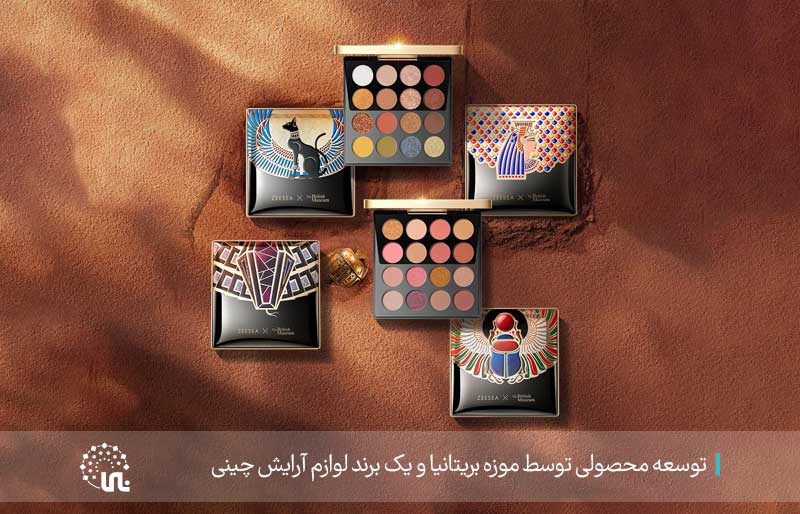
As another example, in 2021 the British Museum launched an eyeshadow palette influenced by ancient Egyptian artifacts under a Chinese cosmetics brand. One of the founders of an intellectual-property licensing agency in Shanghai says: "We never put the paintings on products; instead we create original patterns inspired by the museum's artworks and share them on TikTok. We want to turn a boring ancient artifact into a modern, exciting phenomenon."
Another example is the Louvre Museum in Paris, France. This museum, which is the world's most-visited museum, has since 2019 increased its effort to earn revenue from issuing licenses to use the designs of the museum's works. This museum collaborates with collections such as the DS automobile factory, the Swatch watch factory, and a pasta-making company. The Louvre Museum's economy in 2020 had about 4.5 million euros in revenue. This figure in 2019 was about 2.5 million euros.
The reason for the increase in revenue generation from museum intellectual property
This type of revenue earning particularly drew museums' attention when the coronavirus appeared and left museums closed or empty for a long time. The Guardian claims that with the decline in museums' in-person activity and museum visits, sales of goods licensed to use photos of the works increased. Household goods were the best-selling products among these. It is said that buyers of these goods decorate their homes with furniture, wallpapers, and murals influenced by museum works and artistic designs seen in museums.

Another reason museums turn to commodifying their works or selling and renting high-quality photos of them is Generation Z's lack of interest. This generation, known in our country as those born in the eighties, does not recognize visiting museums as a form of recreation.
Digitization of museums
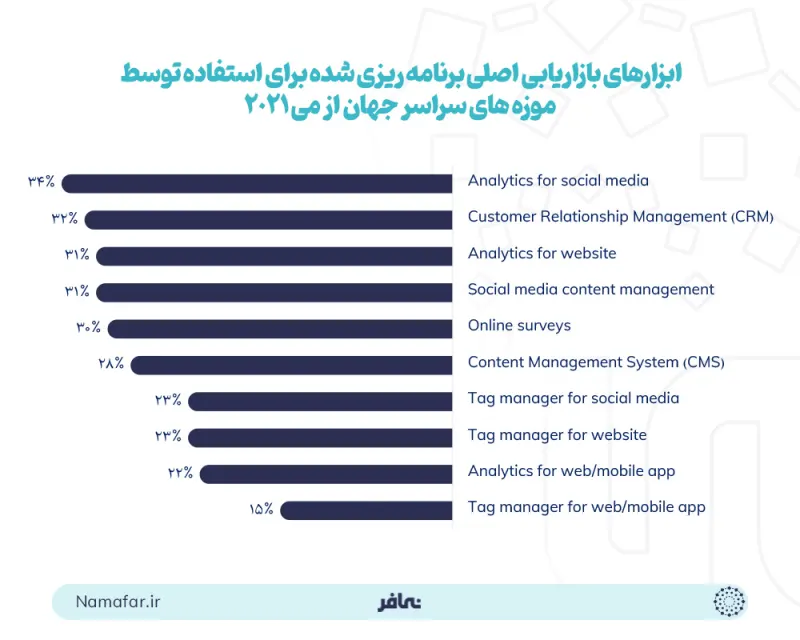
For museums to build a target audience for increasing the economy and revenue generation from Generation Z and those who are not interested in visiting museums as well, they must turn to other methods of earning revenue. These methods owe a great deal to the process of museum digitization. Museum digitization is a process that makes the museum's relationship with the visitor highly dependent on digital tools. According to statistics, today museums' main marketing processes are either through social networks or websites. Among these ten museum marketing and advertising tools, only two have no connection to the internet, cyberspace, or smartphones.
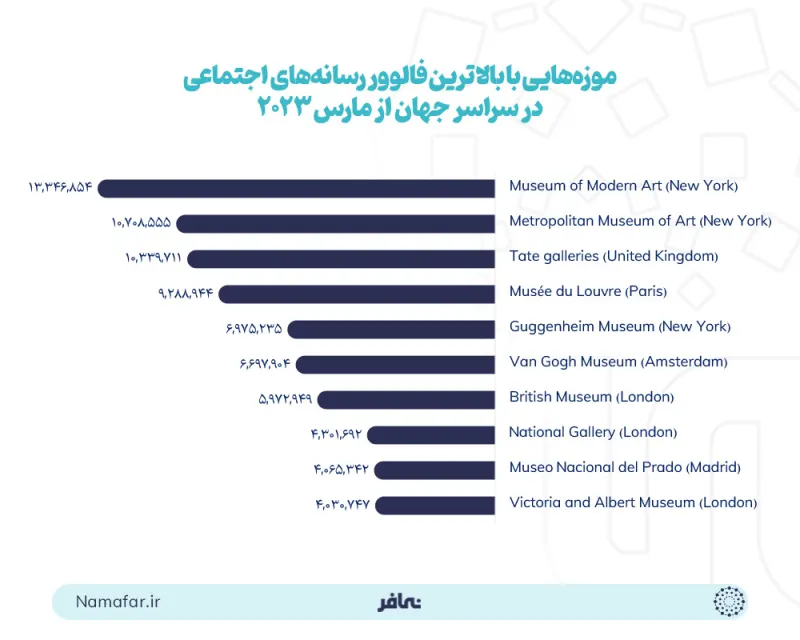
Because social networks are a main marketing and advertising tool for museums, their user accounts have become very important. The Museum of Modern Art in New York and this city's Metropolitan Museum are the two museums with the largest number of followers on social networks. The Louvre Museum and the Museum of Modern Art in New York both also rank among the world's most-visited museums. This shows that even museums this famous are not exempt from advertising and activity on social networks. This is while the Tehran Museum of Contemporary Art has no page on Instagram. Even the museum's ancillary facilities, such as its cafe and cinema, have Instagram accounts, but no account can be found for the museum itself. In total there are 50 Instagram user accounts belonging to Iran's museums. Because some of these accounts have no clear status regarding official standing, the real number is probably lower than this. This is while, according to Ministry of Cultural Heritage statistics, Iran has 710 museums.
Iranian museums are neglecting digitization and the use of intellectual property, while Iranian art undoubtedly has extraordinary visual capacity and inspirational power. Even the Museum of Contemporary Art, which is an exhibition of Western artists' works, has very good capacity in this respect. Using the intellectual property of works is one way of putting museum capital into circulation.
Conclusion
Museums' revenue generation in the world has various methods. The coronavirus pandemic and the new generation's alienation from classical art and museum visits lead them to turn to fresh initiatives for growing their economy. What helps museums earn revenue is the intellectual property of museums' works. The works in a museum, apart from material value, also have an intellectual value that includes their idea and design. The intellectual property of museum works is also in the museum's own possession. To increase productivity, museums can achieve large profits by selling original-quality photos and also by issuing licenses or making products inspired by their works. They must also take digital marketing through social networks or websites seriously. In Iran there are museums with billion-dollar wealth, but no profit is earned from them. Most important museums do not even have an attractive page in cyberspace, whereas online museum visits and having virtual pages is an established, common practice for the world's most-visited art museums.
Machine-translated from Persian by Namafar; the Persian original is authoritative. Read the original in Persian