Turkey has now, with a blend of Eastern and Western culture and a mix of modern and rural life, become a distinctive and unique country in the West Asia region. While the lifestyles of Iranians and the people of Turkey differ from one another, the two countries have many cultural similarities. The cultural similarities and differences between Iran and Turkey are reflected in the content of the films produced in these two countries. In this article we compare Iranian and Turkish cinema. Given the importance of infrastructure in the cinema industry of countries around the world, we compare the number of cinema screens in Iran and Turkey. To examine the content of these two cinemas we turn to the genres screened and most watched. Then we point to the most important similarities and differences in the cinematic content of Turkey and Iran from the perspective of a Turkish researcher. At the end of the piece we will also mention Turkey's TV series industry and its impact on this country's cinema.
Comparing the number of cinema screens in Iran and Turkey
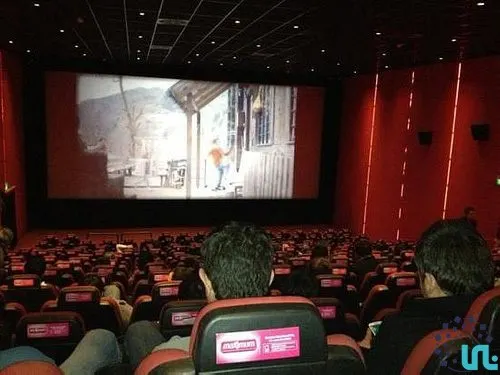
Iran and Turkey are similar in terms of population size and geographic area. For this reason we can compare the number of cinema screens in these two countries. The number of cinema screens in Turkey is 2652; this is while in Iran there are only 639 cinema screens. In other words, although Iran and Turkey are roughly equal in area and population, Turkey has 4 times as many cinemas as Iran. In Turkey there is one cinema screen per 32.051 thousand people, and in Iran there is one cinema screen per 133.020 thousand people.
Film genres in Iranian and Turkish cinema
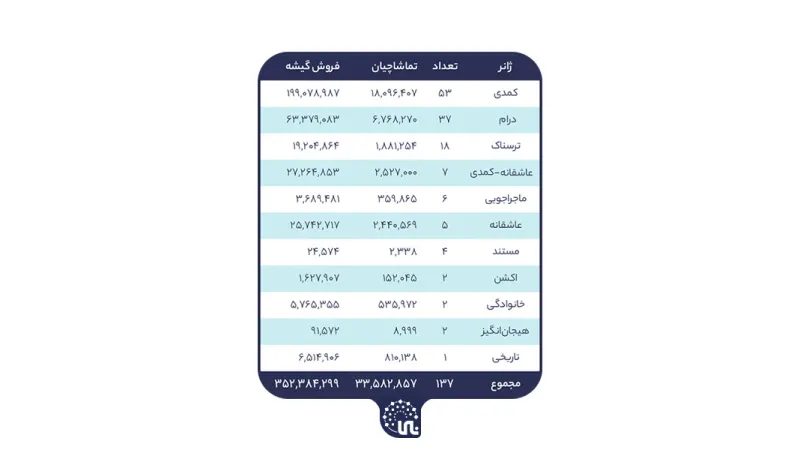
What is the most popular film genre in Turkey? What is Turks' taste in watching films? What genre do the most films screened in Turkey have? In this section of the article, to find accurate and correct answers to these questions, we turned to research on popular genres in Turkish cinema. In 2015, 137 Turkish films were screened in Turkey's cinemas. The largest number of films screened is in the comedy genre; in other words, 53 comedy films have been shown in these years. After comedy, the most films made are in the drama genre. From 189 to 2015, 37 drama films have been screened. After drama, horror films with a figure of 18 take third place. After the horror genre, 7 romantic-comedy films and 6 films in the adventure genre have been screened, respectively.
The comedy genre, the most popular genre in Turkish cinema
The comedy genre has many fans in Turkey and is the favorite genre of most people. Comedy films, with a 38.6 percent share among Turkish films screened, are considered the highest-earning and most-watched genre in Turkish cinema. After comedy films, in terms of box office and number of admissions, drama films rank second. Drama is the second most popular genre among Turks. Romantic comedy films also rank third in box office and number of viewers.
But what has made the comedy genre popular among Turks? Attractive scoring, viewers' desire to escape a tense political and social atmosphere, the presence of famous actors, the presentation of new characters and stories, and finally extensive advertising through social networks are among the factors in the popularity of the comedy genre among the people of Turkey.
In the table below you can see the number of films screened, box office revenue, and the number of admissions for each genre in Turkish cinema.
The empty place of the social genre in Turkish cinema
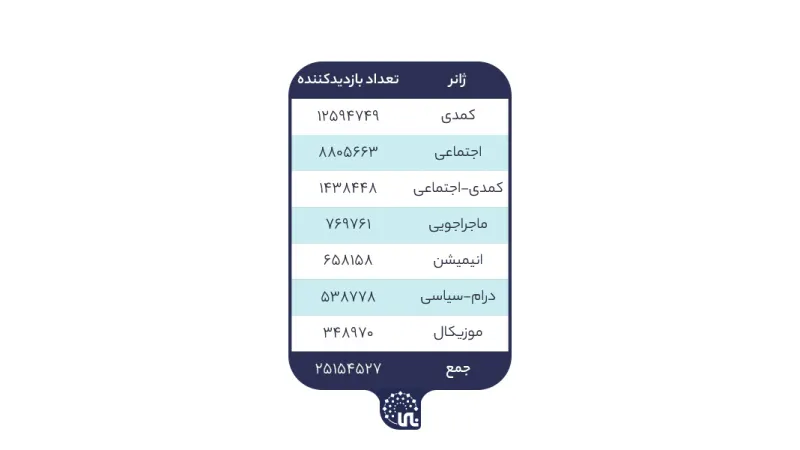
In comparing Iranian and Turkish cinema in terms of cinema audiences, we should say that the tastes of Iranians and Turks have many similarities. Because the comedy genre is also the most popular cinematic genre among the people of Iran. But one of the most important differences between Iranian and Turkish audiences is that Iranians, after comedy films, are interested in films with a social genre. In other words, drama is the second most popular genre among Turks and social is the second most popular genre among Iranians.
One of the reasons for the popularity of the social genre among Iranians is Iran's culture and filmmaking capability in producing works in the social genre. A look at the list of Iranian films that have won international awards is evidence of the fact that Iranian cinema introduces itself to the world with the social genre. Asghar Farhadi's films such as A Separation and The Salesman, and films such as Taste of Cherry, narrate social realism and depict people caught between tradition and modernity, striving between individual ideals and society's pressures to conform under a large religious and political discourse.
The table below shows the number of cinema admissions in 1398 (2019/20) by thematic genre. According to the table below, the comedy and social genres have many fans in Iran.
Turkey's TV series industry and its impact on the country's progress
Turkey is, after the United States, the second-largest exporter of television series in the world, sending its products to more than 150 countries. It is forecast that sales of Turkish series and films in 2023 will exceed one billion dollars. The TV series industry in Turkey has performed very successfully and has influenced this country's cinema. This is while we still cannot speak of an efficient and thriving cinema in Turkey.
Turkey's TV series industry has been very successful in attracting tourists and in economic marketing through the media. Turkey's performance in introducing tourism attractions through various media has been outstanding. The task of Turkish television series, besides economic return, is to present Turkish society as a developed and advanced society. In the media, various cities of Turkey are introduced with the aim of hosting tourists.

Turkey's film and series industry has been very successful in highlighting Turkey's national brand. At present, Turkey's national brand is put forward as an accepted and agreeable brand that people in various societies, upon seeing it, develop a pleasant and appealing feeling. One of the factors affecting this feeling is the positive image-making of Turkish series of the country of Turkey. In Turkish series, the ideal and dreamlike life of the people of Turkey is depicted, and Turkish families are portrayed with a more Western lifestyle, such that it is as if people search for their ideal life in Turkish films.
Turkey's TV series industry caused people in various countries to become familiar with the customs, culture, art, and history of Turkey. Thanks to the best Turkish series, Turkey is now known among the people of the world as a modern and dynamic country. Foreign investors are encouraged to invest in Turkey. Goods and products of Turkey's various agricultural and industrial sectors become known in the world, and the ground is prepared for selling real estate to foreigners and for the residence of foreign nationals in Turkey. Turkish series are full of beautiful views of various cities of Turkey, decoration, furniture, clothing, and Turkish fashion.

Turkish drama series enjoy great popularity in the Middle East and especially in Arab countries. The largest buyers of Turkish films and series are Arabs. The closeness of the religious and cultural issues of these countries to one another is among the factors in the popularity of Turkish series. Besides the people of the Middle East, Turkish immigrants throughout Europe, the Balkans, Eastern Europe, and South America are also audiences of old and new Turkish series.
The difference between Iranian and Turkish cinema according to Riza Oylum
Riza Oylum, a writer and researcher of film and cinema, in the book "Iranian Cinema," has compared Iranian and Turkish cinema. In Oylum's view, the cinemas of these two countries have several major differences, which we point to each of below:
- Iranian cinema is about people's everyday lives and represents the realities of the social life of the people of Iran. In Oylum's view, Iranian cinema deals more with Iranians' problems and challenges in everyday life; but this correspondence between people's lives and the works produced does not exist in Turkish cinema, or is not shown. This is one of the most important differences between Iranian and Turkish cinema.
- Another difference between Iranian and Turkish cinema is that up-to-date Hollywood and European films are screened in Turkey's cinemas; but this does not happen in Iran. In the view of this Turkish researcher, one of the negative results of not screening European and American films in Iran is that films in Iranian cinema become repetitive and stereotyped.
- In Turkey, films in the horror genre are made. The story and theme of these films are usually drawn from religious beliefs. One of the most important and most interesting differences between Iranian and Turkish cinema is that the horror genre is made among Turks and is relatively widely watched; but in Iran, films in this genre are usually not produced.
Conclusion
Iran and Turkey, as two important countries in the region, try to show their soft power to the world through cultural products and goods. One of these cultural industries is cinema. Iran and Turkey have strong religious, cultural, linguistic, and civilizational ties. These cultural components can show themselves in the cinematic works of these two countries. Despite these similarities, the two countries have striking differences in the cinema and series industry.
In general it can be said that Turkey has a more industrial cinema than Iran. The high number of cinema screens in Turkey, the production of films in the horror genre in Turkey, this country's brilliant TV series industry, and its expansion to the world are among the superior features of the film and series industry in Turkey. Even so, Iran's cinema has been more successful than Turkey in winning international awards, and with the necessary cultural measures it has considerable potential for the growth and expansion of the cinema and TV series industry.
Sources
Iran Sineması, Riza Oylum. Seyyah Kitap (January 1, 2019)
Popular genres in turkish cinema. Ümit Sarı. 2016, 14th International Symposium Communication in the Millennium
Machine-translated from Persian by Namafar; the Persian original is authoritative. Read the original in Persian