Over the past two decades, subscription video-on-demand (SVOD) media such as Netflix, Amazon Prime and Disney+ have changed the television platform. But among them, the story and the path Netflix is taking is different and compelling. By designing a subscription-based business model, bold moves in producing high-quality content, and attracting extraterritorial audiences and subscribers, Netflix has transformed itself from a DVD-rental service in the late 1990s into a global platform with more than 200 million subscribers from around the world.
As Netflix has expanded, it has adapted its content and brand in a way that is attractive to different audiences. In light of this, this article examines how this platform uses diversity — as this company's main strategy — for branding and creating transnational appeal. Asmar[1] and Raats[2] have done this by thematically analyzing 800 Netflix press releases and seek to understand how Netflix promotes a commitment to displaying diversity on screen and behind the camera.
Branding and brand diversity
While branding is more widely known among people as an economic tool, branding is a cultural narrative and a social text that offers audiences a particular way of talking about and seeing the world. Therefore, branding does not only mean assigning a logo; it creates a cultural environment in which goods are used and a set of images, themes or values associated with the product are evoked.
Brand diversity, too, correlated with the concept of cultural diversity, refers to the use of a long-standing contestation over culture, race, gender, nationality and so on, in which a brand, by attending to and addressing these matters, tries to highlight and strengthen itself. Brand diversity enables subscription video-on-demand media such as Netflix to reach anyone who has an identity to identify with.
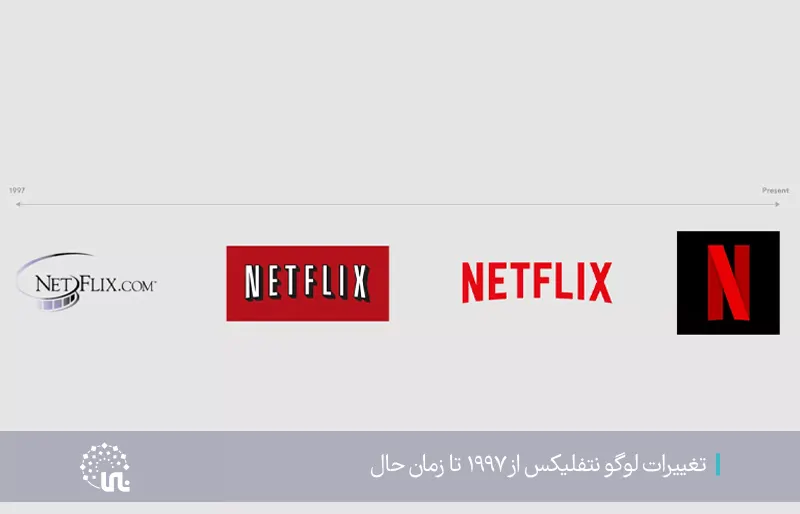
Themes and hallmarks of Netflix's creation of diversity
Analysis of this platform's statements shows that the company has used five themes of racial and ethnic, age, sexual, gender and linguistic diversity. These dimensions are not separate and discrete, and Netflix uses them in an overlapping and continuous way.
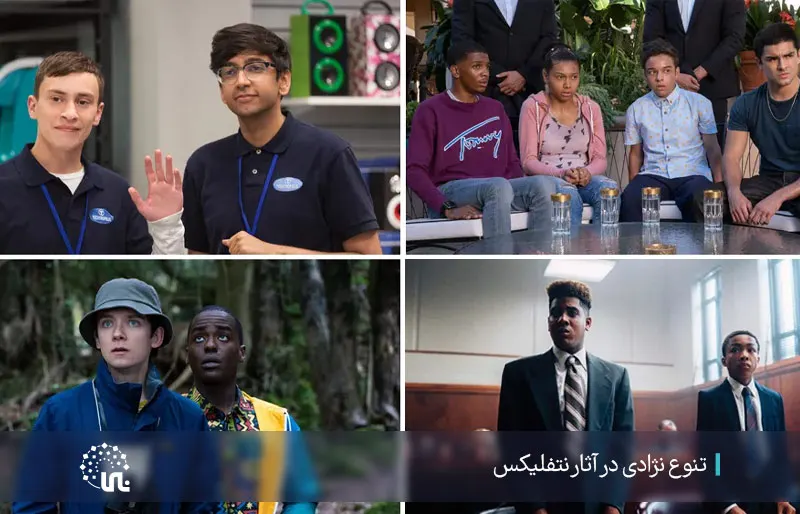
1- Racial and ethnic diversity: Netflix emphasizes that it represents minority communities such as Black people and makes investments in local organizations that support diversity in television (online video).
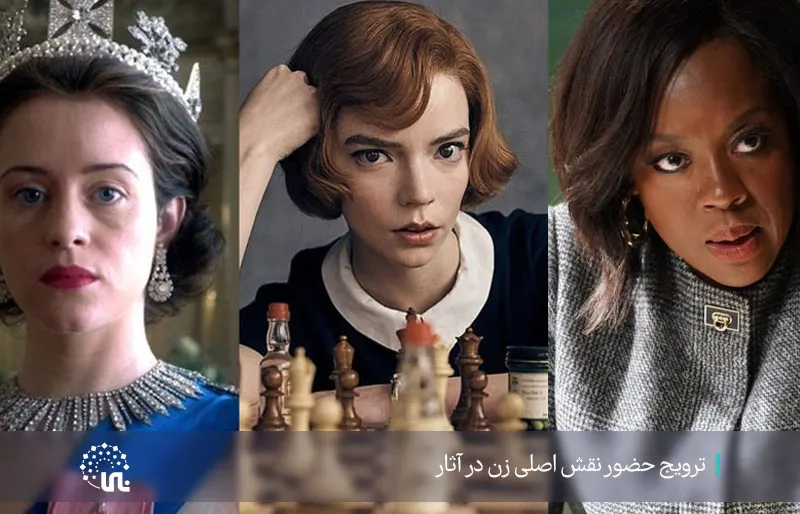
2- Gender diversity: Netflix emphasizes promoting the presence and role of women in its productions both on screen and off it, and strengthens its activities with women's advocacy groups.
3- Age diversity: Focusing on the theme of age, Netflix emphasizes facilitating access to television and video for young talent, especially young writers and directors.
4- Sexual diversity: This platform addresses this subject by focusing on strong LGBT characters in its productions and explicitly voicing their demands.
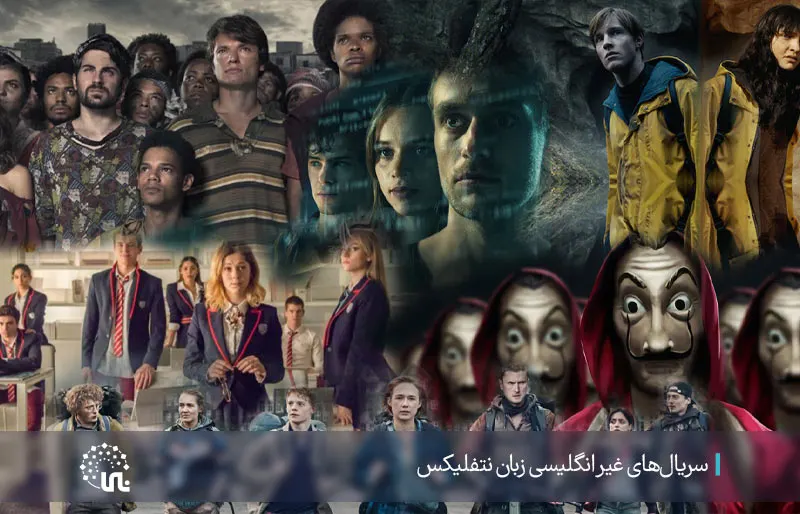
5- Linguistic diversity: Netflix mainly emphasizes its entry into non-American content and increasing its investments in dubbed and subtitled content.
Netflix's main branding strategies
Based on the identified themes and hallmarks, Netflix uses four overall strategies for branding:
- Diversity strategy: Unlike legacy media companies that do not want to or cannot create diversity, Netflix presents itself as an agent of change and inclusive representation.
- Representation strategy: Netflix always claims that it offers a story for every taste that reflects the diversity of its global subscribers.
- Localization strategy: By supporting local content production, this platform promotes local creative talent and enables them to penetrate non-Western markets more effectively. Netflix at the same time also exports this diverse content globally.
- Internationalization strategy: This platform's diverse programs strengthen intercultural exchange and empathy and present it as a progressive and democratic force in global media.
These strategies allow Netflix to balance global expansion with localization. In this way the platform can penetrate new markets by partnering with local producers and drawing attention to different voices, while cultivating an attractive brand identity tied to the ideals of diversity, representation and cultural tolerance.
Limitations and criticisms of Netflix's strategy
According to the findings, Netflix's strategy is essentially the same identity-based niche marketing techniques used by cable television channels in the 1990s, only these techniques have been adapted and fitted to a global scale. Therefore, talk of a fundamental change and revolution in branding by this company is open to debate. Also, Netflix's focus on diversity is to some extent driven by commercial motives to attract diverse audiences, and the role of economic motives cannot be ignored, relying only on its altruistic goals and commitments.
Development of Netflix's branding strategy at the global level
Despite the limitations and criticisms of Netflix's branding strategy, this strategy has been able to turn diversity into an effective driver of global expansion and appeal and has successfully placed diversity at the center of brand identity and global business strategy. This strategy has also had a significant impact on the world's media environment and on brand creation.
Summary and conclusion
As Netflix has expanded, it has adapted its content and brand in a way that is attractive to different audiences. Brand diversity has enabled this platform to reach anyone who has an identity to identify with.
Netflix has pursued a diversity strategy using five themes of racial and ethnic, age, sexual, gender and linguistic diversity. These dimensions are not separate and discrete, and Netflix uses them in an overlapping and continuous way. In such a way that diversity has become one of the defining features of the Netflix brand and continues to expand at the global level.
Despite some limitations and criticisms, this approach has significantly influenced the global media environment and branding practices.
[1] A. Asmar
[2] T. Raats
Machine-translated from Persian by Namafar; the Persian original is authoritative. Read the original in Persian