The further we go, the more eagerness we find for consuming kinds of media content. Perhaps this very fact is itself an important reason for the popularity of short videos. Of course this eagerness also has roots in technological changes and developments and kinds of media platforms. One cannot have a correct view of this situation without the effects of technological change and the progress of technology. Robertson, the media theorist, referring to the changes in human life affected by the digital world, has called it "the compression of the world." It is true that he used this term three decades ago, but the further we go, this word becomes more tangible and leaves abstraction behind.
According to statistics, by the end of 2023, nearly 2 billion users have used "YouTube Shorts," YouTube's platform dedicated to short videos, and have watched its content. Although according to the statistics, "YouTube Shorts" has been able to gain superiority over its rivals such as "TikTok TikTok" and "Instagram Reels." But a look at the state of content consumption on these social media also indicates the dominance of short content and videos over the world of content production. Now given this situation, it seems that the historical dominance of long video content on platforms such as YouTube has come to an end. Creators and content producers used to earn revenue by placing numerous ads and partnering with sponsors in long videos. This has been disrupted in short-content production and has created serious challenges.
On this basis, Prajit and colleagues[1] in the article "The rise of short videos: assessing the effects of YouTube short videos on long-form video content[2]" have examined the effects of the growth of short videos — especially "YouTube Shorts" — on engagement, views and revenue of long visual content
[1] Prajit T. Rajendran et al
[2] Shorts on the Rise: Assessing the Effects of YouTube Shorts on Long-Form Video Content
Diversity in content production and selected channels
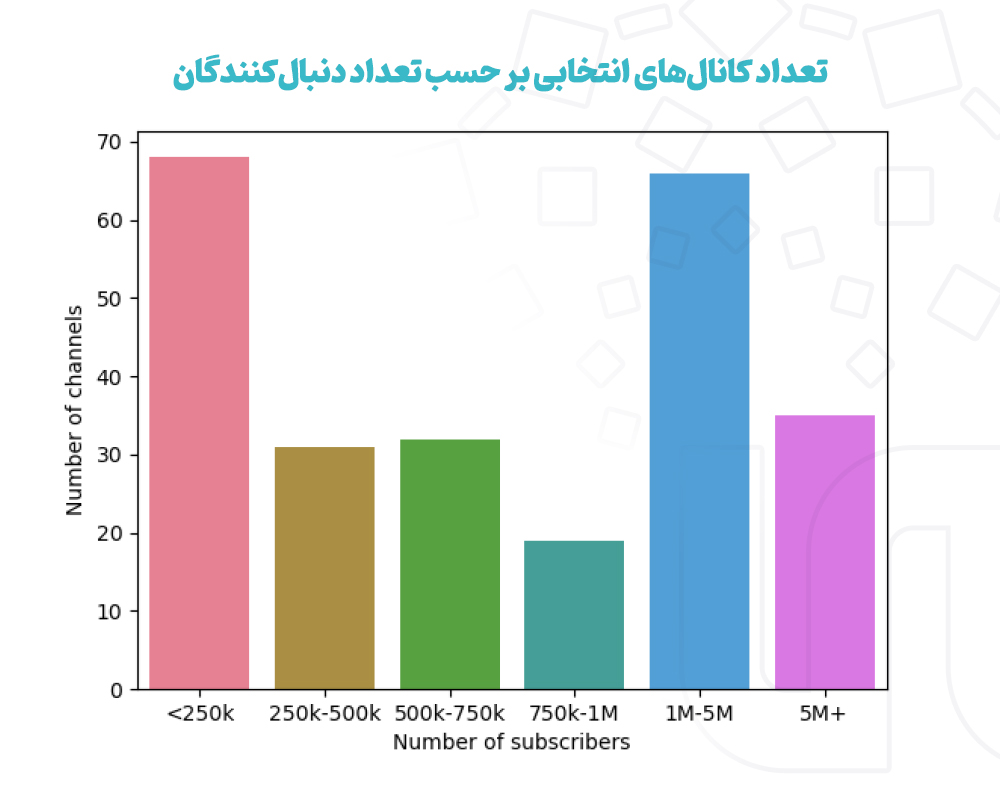
The authors of the article first selected 250 prominent and well-known channels in various fields such as entertainment, sports, education, lifestyle, technology and so on. Then they categorized their content, on the basis of the publication date of the first short video published, into two groups of short videos and long videos. This temporal division makes possible a comparison of before and after the use of short videos. Also, the researchers' selected channels have from more than 250 thousand followers to more than 5 million followers, which have been categorized in 6 titles.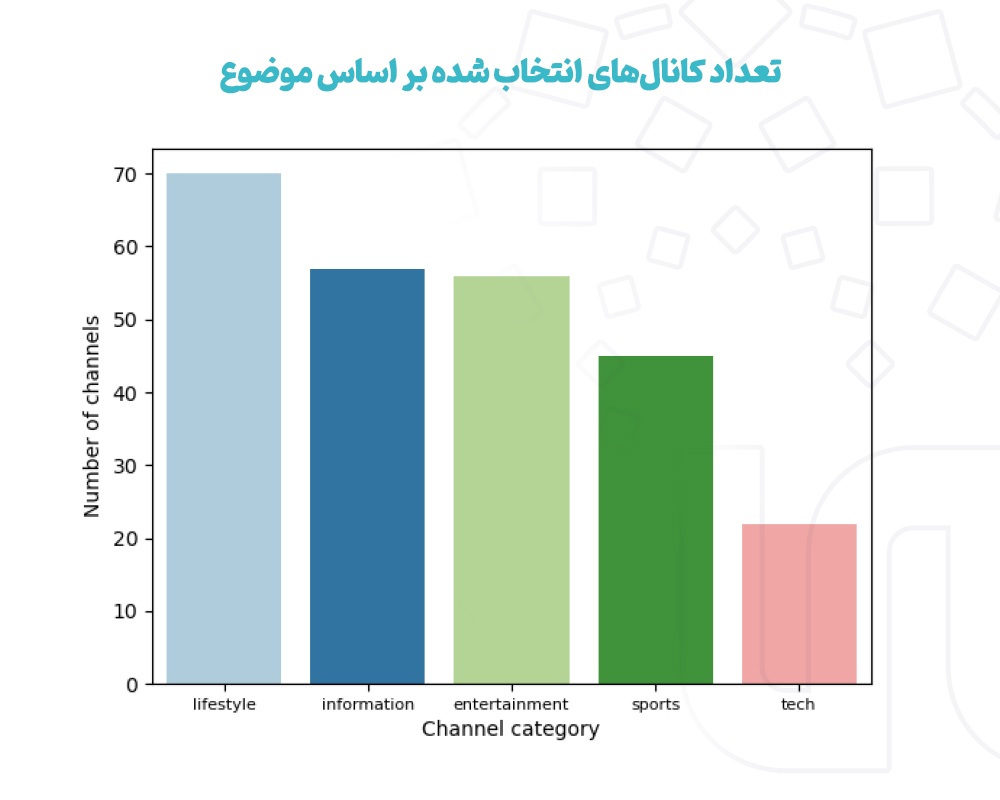
The increase in short-video views; survival is in brevity
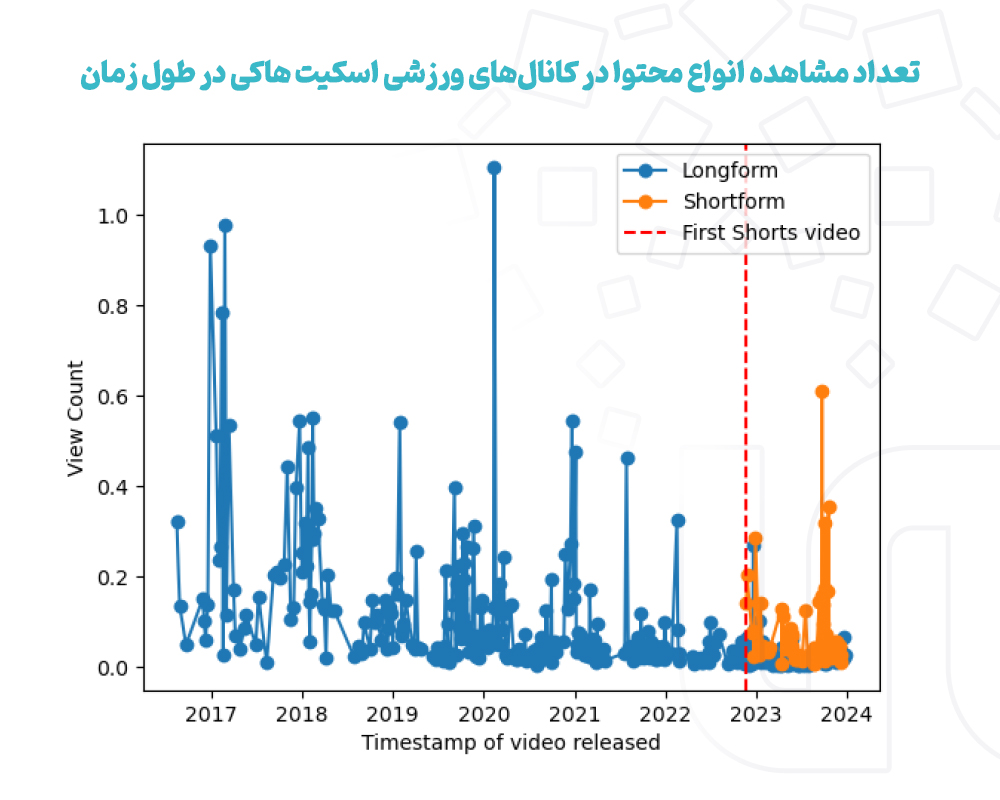
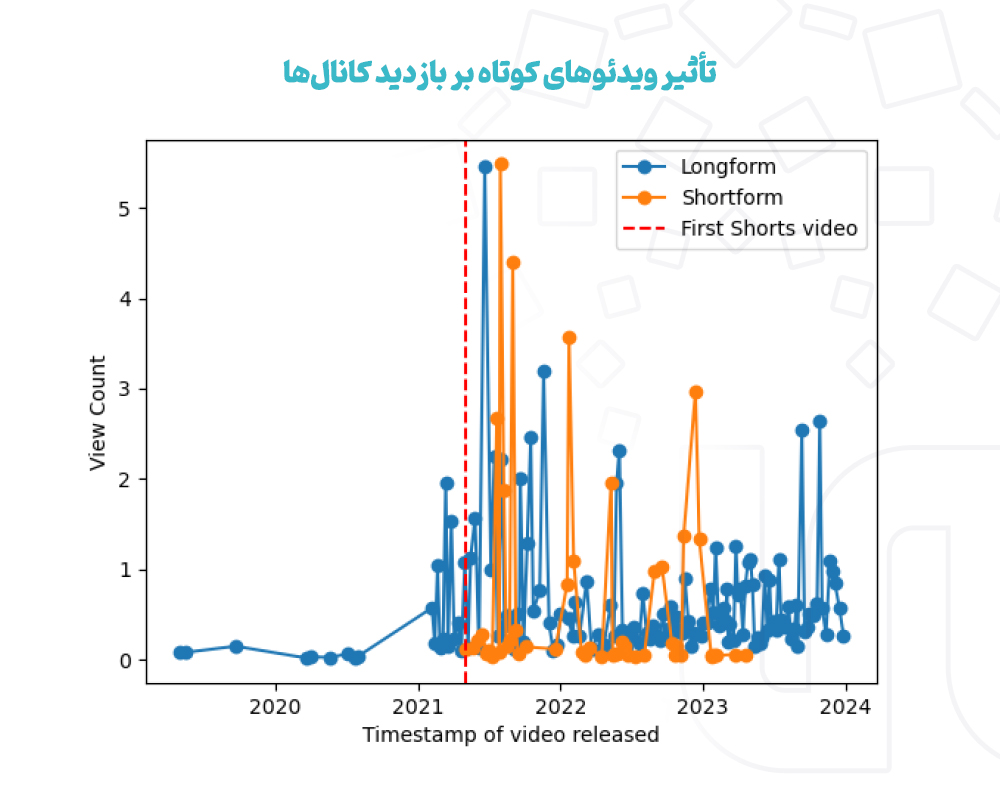
Overall, after channels used YouTube Shorts or short videos "YouTube Shorts," the number of views of long videos declined. Even so, when analyzing different groups of content creators according to whether they originally produce short or long content, the effects have been different. That group of content producers whose approach was often producing and publishing long videos, after using short films, had a considerable decline in the number of views. The average decline in views of each channel's long video clips in this group, after using YouTube short video "YouTube Shorts," was 920,189 views, which is a serious and considerable figure. This indicates that for content creators who focus on producing long content, the increase in short videos has a negative effect on their viewers. Whereas content producers whose videos were mainly short did not have a statistically significant decline in views of their short clips. The average decline in this group was only 163,813 views. This shows that short-video creators have to some extent retained the viewers of their ordinary videos.
The drop in views of large channels with a dash of declining revenue
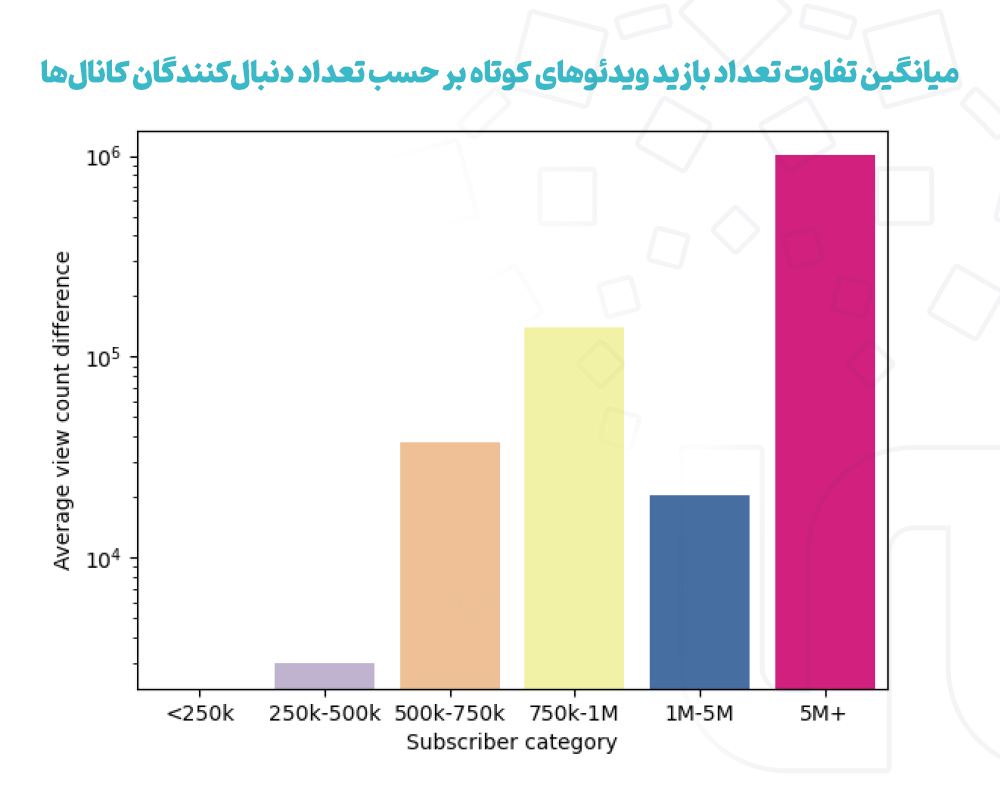
The decline in long-video views, for channels with more than 5 million subscribers, after the publication of their first short video, was significant, and content producers with high follower counts have experienced a "deeper" decline in long video-content views compared with content creators with fewer followers.Given that advertising revenue on YouTube is calculated with criteria such as the number of views, watch time and the viewability of ads, the most famous content producers with millions of followers will lose a considerable part of their advertising-revenue stream that previously depended on the increase in long-form content views. This trend is a worrying issue for them, because the largest content producers on YouTube often obtain their revenue through advertising. On this basis, if short-content creators cannot offset this cost with alternative monetization methods, they will face serious financial challenges.
The effect of topic on the duration of produced content; hope for the survival of long videos
The negative effect of the increase in short films on social networks on the amount of watching of long-form videos is not the same in all content categories or genres, and some categories have been more severely affected. Specifically, channels focused on entertainment and lifestyle content have seen a considerable decline in the number of views of their long films. Whereas channels with the topic of technology, sports, and informational/educational content have been less affected and have not experienced a considerable drop.The nature of content consumption, audiences' priorities, content format and so on can be among the reasons for this. On this basis a content producer in the fields of entertainment and lifestyle probably needs to adapt their content strategies with greater urgency in order to be able to satisfy the appetite for short videos in cyberspace compared with other content-production genres. Conversely, content creators on the subject of technology, sports and education may have more possibility of continuing to use long-form content effectively. Because at present it seems their audiences are less affected by the appeal of short video clips.
High likes of short clips
Short films on social media have on average received a greater number of likes than long-form content. This can be due to the user experience of watching short videos. Short clips are often viewed vertically on mobile devices and the like icon is displayed prominently at the bottom right, which makes it easy for viewers to tap quickly and go to the next video. This low-friction design encourages more likes for shorter videos. Conversely, long videos are often viewed in landscape mode, where the like button may not be sufficiently visible or accessible, and as a result relatively fewer likes are obtained.
Long videos have more comments
Interestingly, this trend is the reverse in the case of comments below videos. Long videos have on average received more comments compared with short videos. This discrepancy arises from the fast and fleeting nature of consuming short clips. Because users tend to swipe quickly through short content and little opportunity or motivation remains for leaving comments. On the other hand, long-duration videos demand more of viewers' attention and engagement and create more opportunities for their comments and feedback.
Conclusion
According to the findings, short-form content compared with long-form content has better engagement and more views from users. The emergence of short films has negative effects on the views and engagement of long videos. Changes in users' video and visual content-consumption patterns have important implications for the content producer, among the most important of which one can point to the necessity of defining new revenue-generating mechanisms.Overall, this article presents valuable insights into the evolving nature of digital content production and consumption. It also sets out the challenges and opportunities presented by the rise of short-form content. These points can help the ongoing discourse on the sustainability of producing long-form content and the need for platforms and social networks and content producers to adapt to the changing preferences and behaviors of digital audiences.
Machine-translated from Persian by Namafar; the Persian original is authoritative. Read the original in Persian