Iran's traditional music is also called "dastgah music," because it is built on seven dastgahs and five avaz. If you know which dastgah a piece is in, you largely know what mood it has: Homayun is dignified and sad, Mahur bright and hopeful, Chahargah passionate and epic. This page explains what dastgah and gusheh and radif mean, what atmosphere each dastgah has, and which famous works have been composed in it.
What is a musical dastgah?
A dastgah is a set of short melodies called a gusheh that are built on a common scale and a common atmosphere and are performed one after another in a specified order. Each dastgah begins with a gusheh named daramad that introduces the dastgah's main mood. Then the gushehs one by one raise the sound until they reach the oj (climax), and at the end of the performance a forud (cadence) returns to the daramad.
Until before the Qajar period the word "maqam" was used in Iranian music. In the Qajar period the players of the Farahani family, especially Mirza Abdollah and Aqa Hossein-Qoli, gathered scattered melodies into a coherent system that today is called the "radif."
Gusheh, radif and avaz
- Gusheh: the smallest unit of dastgah music; a melody with a specified name and identity, such as "Shahnaz" in Shur or "Chakavak" in Homayun.
- Radif: the set of all gushehs in all dastgahs, in the order that the masters have transmitted. There are various radifs (for example Mirza Abdollah's radif for instruments or Mahmoud Karimi's vocal radif). Iran's music radif was inscribed in 2009 on UNESCO's list of intangible cultural heritage.
- Avaz: a smaller branch of a dastgah that has its own independent mood. There are five main avaz.
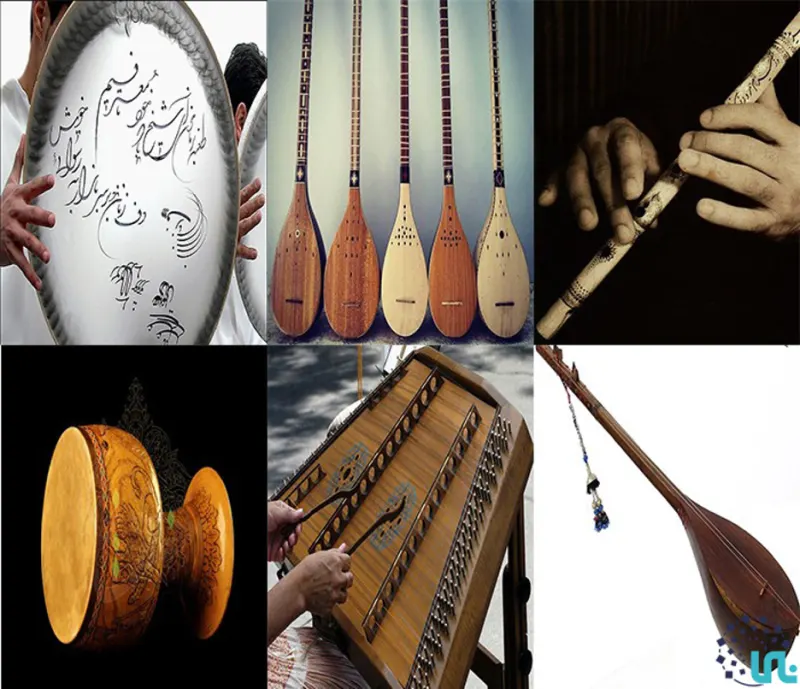
The seven dastgahs and five avaz
| Dastgah | Related avaz | Atmosphere |
|---|---|---|
| Shur | Abu Ata, Bayat-e Turk, Afshari, Dashti | Broad; from pathos and sorrow to mystical |
| Homayun | Bayat-e Esfahan | Magnificent, sad and dignified |
| Segah | None | Lamenting, close to nowheh |
| Chahargah | None | Passionate, epic and energetic |
| Mahur | None | Bright, calm and hopeful |
| Rast-Panjgah | None | Highly varied; a passageway among the dastgahs |
| Nava | None | Calm, composed and mystical |
Some musicians count the avaz as independent dastgahs and some also consider "Bayat-e Kord" a separate avaz from Shur. The division into "seven dastgahs and five avaz" is the most common classification, not the only possible classification.
Dastgah-e Shur
Shur is the broadest dastgah of Iranian music and is called "the mother of the dastgahs," because four avaz have been separated from it and from most dastgahs one can modulate to Shur. A large part of Iran's local music, from Kurdish and Lori to Khorasani, is related to Shur. Shur's mood is not uniform: it can be lamenting, it can be mystical and calm. Shahnaz, Razavi, Hosseini, Salmak and Qaracheh are among its famous gushehs.
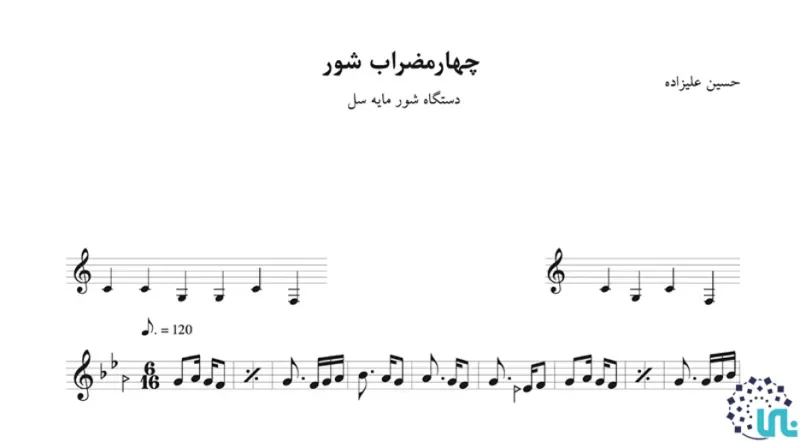
The avaz of Shur
- Abu Ata: intimate and close to local song; the gusheh "Hejaz" is its climax.
- Bayat-e Turk: brighter and more steadfast than the other avaz of Shur.
- Afshari: calm and plaintive, with a solitary and inward mood.
- Dashti: the most lamenting avaz of Shur and very close to local songs, especially Gilaki and pastoral songs.
Dastgah-e Homayun
Homayun has a dignity and magnificence that is accompanied by sorrow; a sorrow that does not reach a wail. For this reason many consider it the most magnificent dastgah. Chakavak, Bidad, Leyli o Majnun, Shushtari and Ney-Davud are among the gushehs of Homayun. The album "Bidad," with composition by Parviz Meshkatian and vocals by Mohammad-Reza Shajarian (1364 (1985/86)), which takes its name from one of the gushehs of this same dastgah, is the most famous Homayun work of recent decades.
Bayat-e Esfahan is the avaz related to Homayun. It has a pleasant and slightly complaining mood and stands between joy and sorrow.
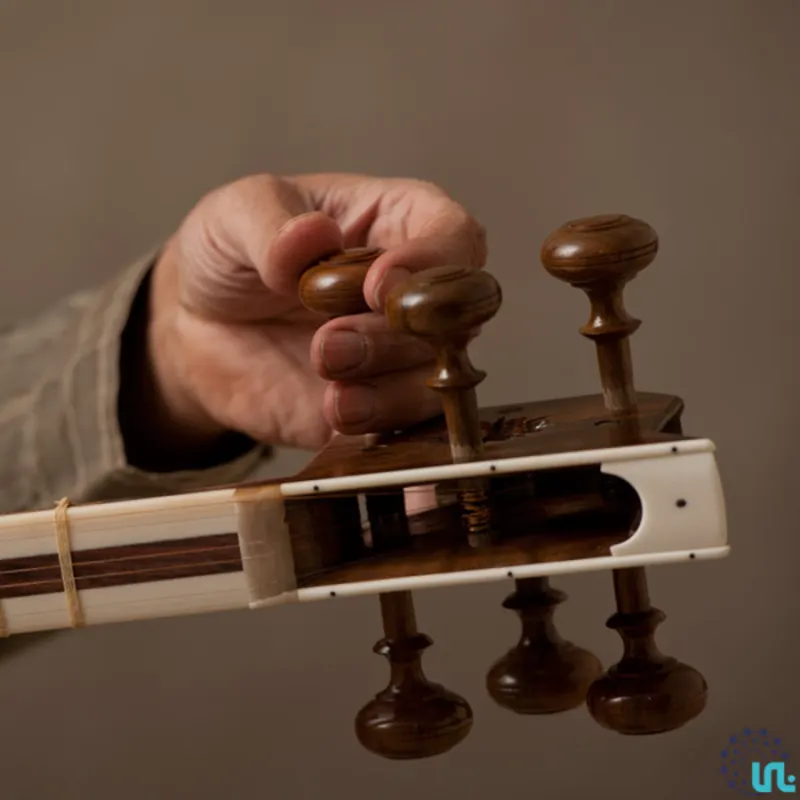
Dastgah-e Segah
Segah is the most lamenting dastgah of Iranian music and has been used a great deal in ta'zieh, nowheh and elegy. The gusheh "Muyeh" in particular is linked with mourning gatherings. Even so, Segah is not only sorrow and also has bright melodies. Zabol, Muyeh, Mokhalef, Maghlub and Hesar are among its gushehs. Segah also has a same-named maqam in Arabic and Turkish music.
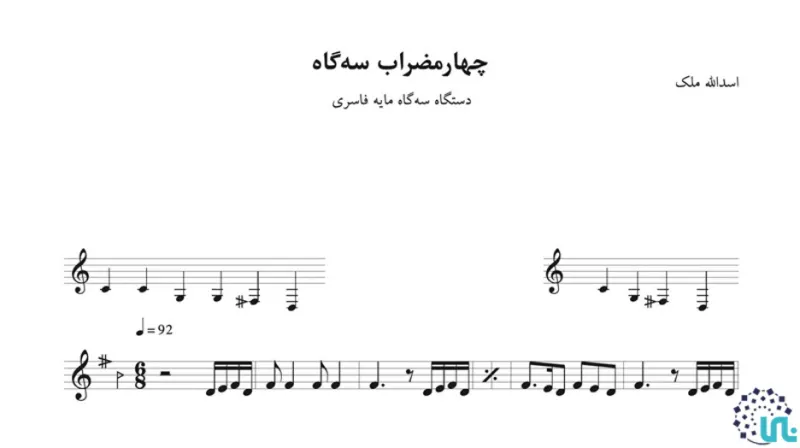
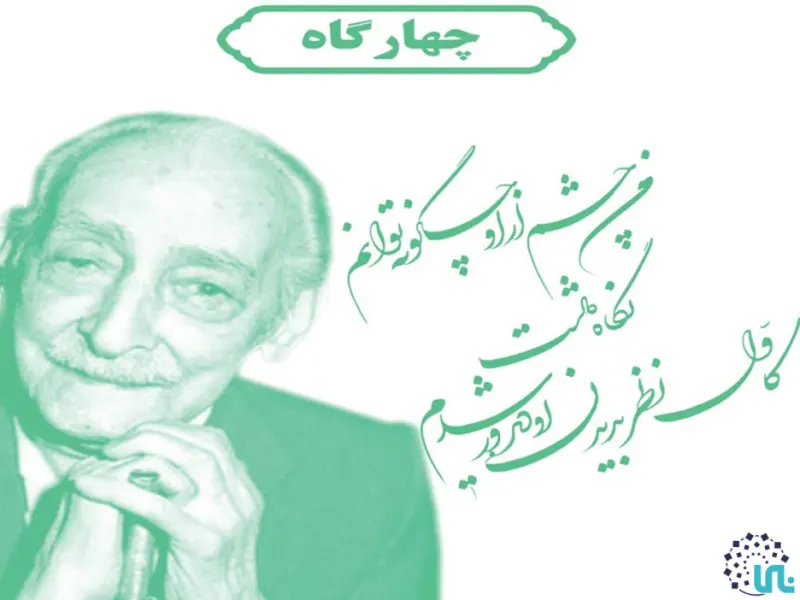
Dastgah-e Chahargah
Chahargah is energetic and epic and, unlike many dastgahs that have an inward mood, faces outward. For this reason it has been used in epic and patriotic works and in many of radio's morning melodies. The gushehs of Chahargah are very similar to the gushehs of Segah (Zabol, Muyeh, Hesar, Mokhalef, Mansuri), but with another scale they take on a completely different mood.
Dastgah-e Mahur
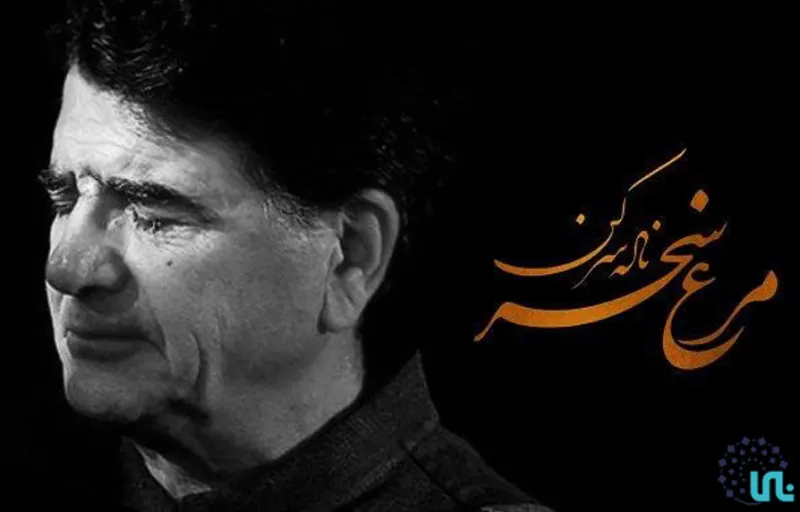
Mahur is the brightest and most hopeful dastgah of Iranian music and in terms of sonority is close to the major scale of Western music. For this reason it is used a great deal in anthems and cheerful pieces. Dad, Delkash, Khavaran, Shekasteh, Iraq and Rak are among the gushehs of Mahur. The tasnif "Morgh-e Sahar," with lyrics by Malek osh-Sho'ara Bahar and music by Morteza Ney-Davud, is perhaps the best-known work in Mahur.
Dastgah-e Rast-Panjgah
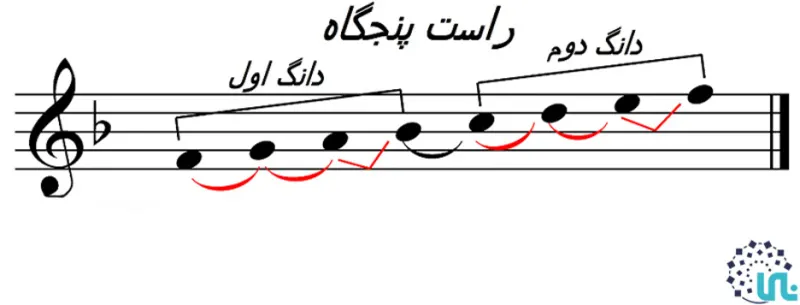
Rast-Panjgah has a scale very similar to Mahur, but its character differs from it: in its gushehs it visits other dastgahs and passes through almost all the moods of Iranian music. This same breadth has made its performance difficult and fewer works have been composed in it. Parvaneh, Nowruz-e Arab, Nowruz-e Saba, Sepehr and Rak are among its gushehs.
Dastgah-e Nava
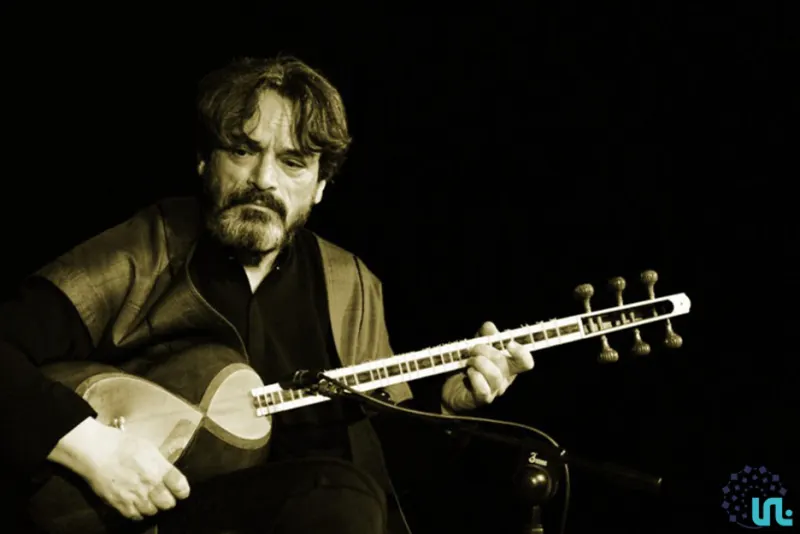
Nava is calm, composed and mystical; neither completely sad, nor completely cheerful. It has a close kinship with Shur and some musicians consider it more an avaz than a dastgah. Gardaniyeh, Neyshaburak, Oshshaq, Hosseini and Nahoft are among the gushehs of Nava. "Ney-Nava," a work by Hossein Alizadeh for ney and string orchestra, was composed in this same dastgah and is among the best-known works of contemporary Iranian music.
Performance forms: from pishdaramad to reng
A complete performance of traditional music is usually built from several forms in succession, all of which are in one dastgah or avaz:
- Pishdaramad: a calm instrumental piece that establishes the atmosphere of the dastgah.
- Chaharmezrab: a fast, rhythmic instrumental piece for displaying the player's skill.
- Avaz: the unmetered section in which the singer sings classical poetry on the gushehs and the instrument accompanies them.
- Tasnif: a metered song with poetry; the most-listened-to form of traditional music.
- Reng: a rhythmic, dance-like instrumental piece that usually finishes the performance.
Types of Iranian music
"Traditional music" in conversation is usually the same as dastgah music, but Iranian music also has other branches:
- Dastgah music (Iranian classical): these same seven dastgahs and five avaz that are the subject of this page; from Shajarian and Banan to Alizadeh and Kalhor.
- Regional or local music: the music of ethnic groups and regions, from Kurdish, Lori and Bakhtiari to Khorasani, Baluchi, Turkmen, Azeri and southern. Each has its own instruments and maqams, and many of them are older than the radif.
- Ritual and religious music: ta'zieh, nowheh, mawlid, the adhan and munajat. Most of them rely on these same dastgahs and avaz, especially Segah, Chahargah, Dashti and Bayat-e Turk.
- Fusion music: mixing the dastgahs with other instruments and structures, from orchestra and jazz to pop.
How do we identify the dastgah of a piece?
Identifying a dastgah by ear takes practice, but a few simple ways help:
- Listen to the final note. Each dastgah has a "stand" and a cadence on a specified note. Where the piece comes to rest is the most important sign.
- Assess the overall mood. Bright and hopeful is usually Mahur or Rast-Panjgah; passionate and epic Chahargah; lamenting Segah or Dashti; dignified and sad Homayun.
- Compare with familiar examples. If you know "Morgh-e Sahar," you know Mahur. If you have heard "Bidad," you know Homayun.
- Listen to the daramad of each dastgah several times. Recorded vocal radifs, such as Mahmoud Karimi's radif, are the best source for this work.
The gushehs of Homayun in order
The order of the gushehs in different radifs differs a little, but the overall pattern is the same: the performance begins with daramad and Chakavak, passes through Leyli o Majnun and Bidad, with Shushtari reaches the climax sections and with a forud returns to the daramad of Homayun. For the exact order, refer to the radif of the same master you are working with.
Where is traditional music today?
In the list of 324 well-known musicians of Iran on the Ahangify platform, fifty-three people have come with the "traditional" tag. Traditional, after pop (196 artists), is the second most frequent style and is ahead of rock and rap. In contrast, on younger platforms such as SoundCloud, listening more often reaches rap and pop. See the details on the Ahangify dashboard: musicians of Iran.
Common questions
How many Iranian musical dastgahs do we have?
In the most common classification, seven dastgahs: Shur, Homayun, Segah, Chahargah, Mahur, Rast-Panjgah and Nava. Five avaz have also been separated from them: Abu Ata, Bayat-e Turk, Afshari and Dashti from Shur, and Bayat-e Esfahan from Homayun.
Which is the most cheerful and the saddest dastgah?
Mahur and Chahargah are more cheerful and more energetic; Segah, Dashti and Homayun are sadder. But the mood of each piece depends more on the gusheh, the rhythm and the poetry than on the dastgah alone.
What is the difference between dastgah and avaz?
An avaz is a branch of a dastgah that has its own scale and mood but is not as extensive as a dastgah and has fewer gushehs.
Machine-translated from Persian by Namafar; the Persian original is authoritative. Read the original in Persian