The United Arab Emirates has actively and seriously invested in the cultural and creative industries in order to reduce reliance on oil revenues and diversify its economy, and through the projects and initiatives it has had it has taken important steps on this path. Creating cultural districts, defining landmark projects, holding cultural festivals and cultural exchange have been part of the UAE's actions on this path.
The cultural and creative industries, as a tool for creating a knowledge-based economy and presenting the UAE as a cultural destination in the world, have to a considerable extent fulfilled the goals of this country's government and rulers, and they have proceeded to design longer-term and more ambitious goals in this field. The report "The UAE Strategy for the Cultural and Creative Industries from 2021 to 2031" is a strategic document of this country's plans that has made visible and set out the roadmap of these industries in the UAE. This report includes various sections such as the status, various sectors, revenue and strategy of the cultural and creative industries in the UAE, which are addressed in this note.
Cultural and creative industries in the UAE
The cultural and creative industries in the UAE include businesses and organizations that are active in ideation, creation, production, distribution and dissemination of related creative goods and services. These industries in the UAE include books and the press, performing arts and celebrations, cultural and natural heritage, audiovisual and interactive media, visual arts and handicrafts, and design and creative services. In 2018 the cultural and creative industries accounted for a share equivalent to 2.9 percent of the UAE's gross domestic product.
The outlook for cultural and creative industries in the UAE
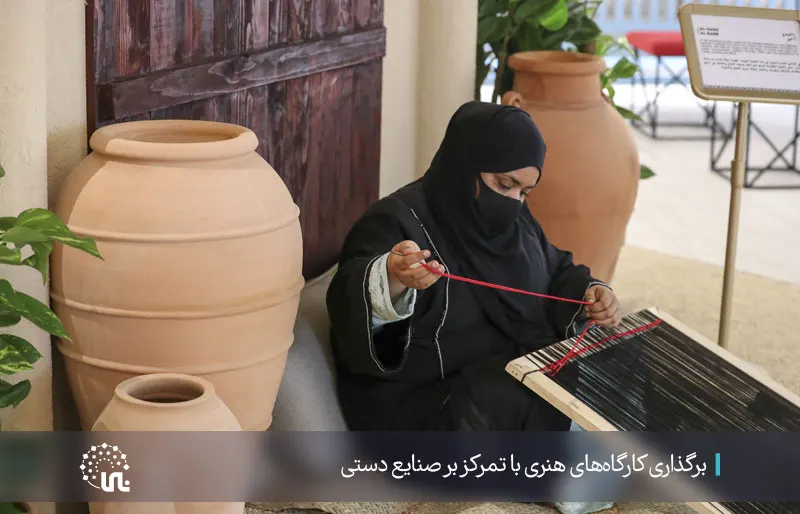
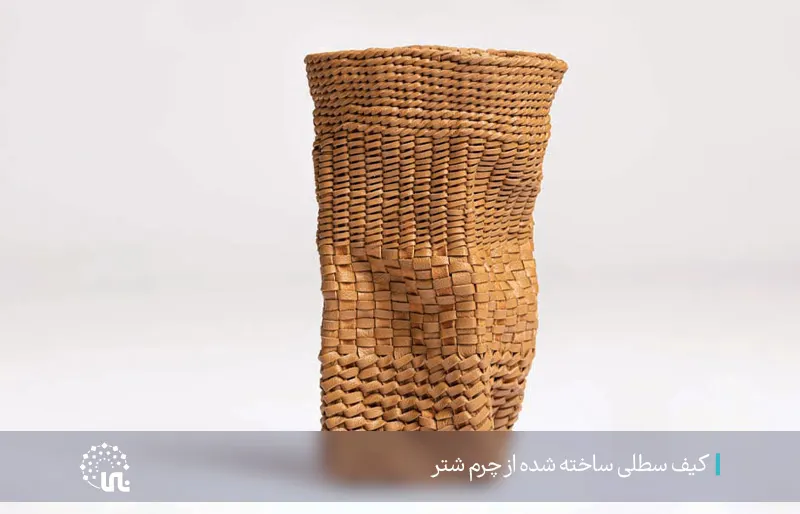
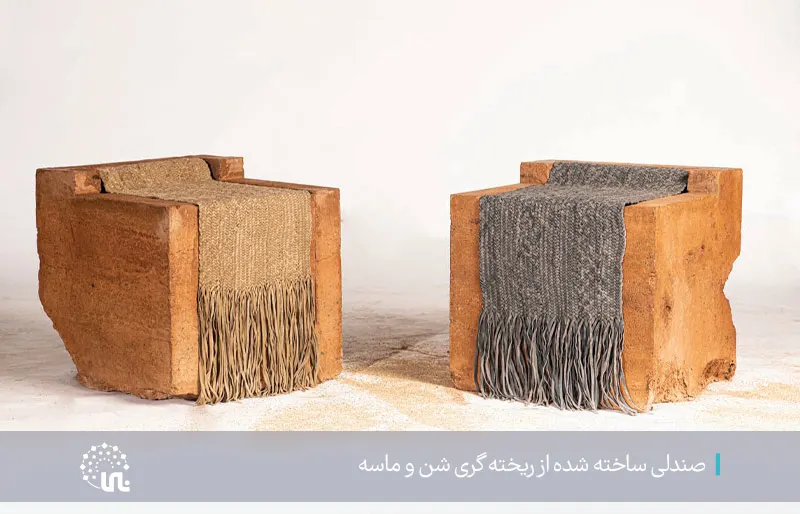
The UAE has a diverse outlook for the cultural and creative industries that covers numerous sectors. There are more than 25 sectors and 100 domains under 6 main industries that generate direct economic outputs. In the books and press industry, sectors such as newspapers, magazines and archives; in the performing arts and celebrations industry, festivals and shows, theater, dance and ballet and community exhibitions; in the cultural and natural heritage industry, sectors such as archaeological sites, historiography, museums, galleries and national parks; in the visual arts and handicrafts industry, photography, painting, sculpture and weaving; in the audiovisual and interactive media industry, sectors such as mobile and console games, animation and podcasts; and in the design and creative services industry, sectors such as interior and industrial design, fashion and jewelry design and emerging technologies have been defined.
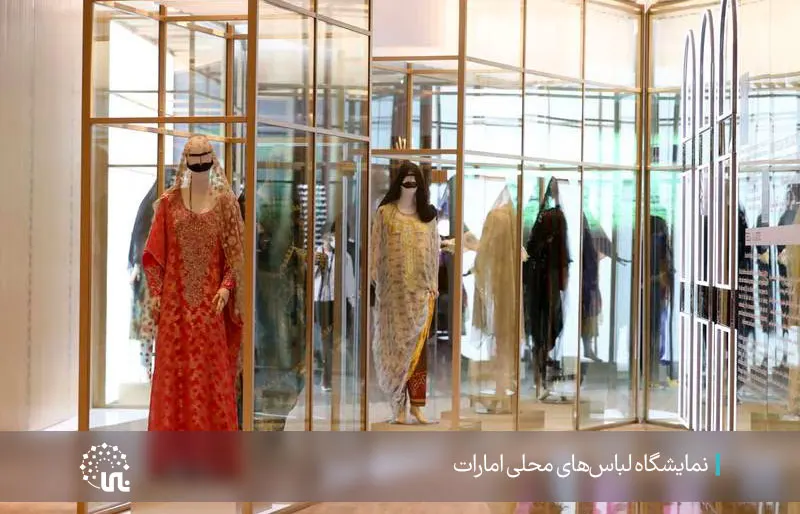
The development of these sectors and their domains has been designed with national policy priority, with a focus on various geographic regions and based on economic diversification, and they are supported.
Economic impact of the cultural and creative industries in the UAE
The substantial and growing economic role of the cultural and creative industries can be seen from three perspectives: gross domestic product, workforce development, and supporting diversification and making the UAE's economy more competitive. According to the statistics, in 2018 this industry accounted for a share equivalent to 2.9 percent of the UAE's gross domestic product, which was more than sectors such as education and health services. The footprint of these industries in workforce development can be seen in the increase in the number of students and graduates of fields related to the cultural and creative industries and the increase in the number of private companies active in this field. Also, as noted, the cultural and creative industries, with more than 25 sectors and 100 domains under 6 industries, will play a direct and effective role in the UAE's economic diversification.
Creative free zones in the UAE
According to the present report there are 22 free zones across the UAE that deal with the cultural and creative industries. These zones are located in cities such as Dubai, Ajman, Sharjah, Umm Al Quwain and others. Free zones offer various incentives including tax exemptions and make foreign individuals' ownership and business-startup processes simpler. These free zones act as hubs for the development and growth of this industry and provide a suitable environment for fostering creativity, innovation and entrepreneurship.
Overall framework of the UAE strategy for the cultural and creative industries
The main vision and goal of the UAE strategy for the cultural and creative industries from 2021 to 2031 has been stated as increasing the socio-economic value impact of the industries, for which 6 indicators have been defined to measure it: the share of the cultural and creative industries of GDP in the national economy, the number of enterprises (micro, small, medium, large) active in this industry, the share of jobs in this field, average per-capita income in creative jobs, average household spending on cultural and creative goods and services, and return on investment in the cultural and creative industries sector.
For example, increasing the share of the creative industries in GDP from 2.6 percent in 2020 to 5 percent in 2025, growth in the number of creative companies from 8,300 companies in 2020 to 15,000 by 2025, and increasing the number of creative individuals from 70 thousand to 140 thousand people in this time period are among the goals of the Dubai strategy — under the title of Dubai's strategy for the creative industries through 2025 — which has been defined and targeted under the UAE's overall ten-year strategy for the cultural and creative industries.
Pillars and strategic paths
This strategy has three main pillars — nurturing talents and creativities, supporting businesses and professionals, and building and empowering business environments — and movement and action have been set in 8 strategic paths for its progress: upgrading the education system to inspire and empower future creative generations, nurturing and training creative talent and preparing them to enter the labor market, ensuring an active and inclusive legislative system that supports the cultural and creative industries, initiating research and development in these industries, promoting and creating cultural and creative clusters, increasing the efficiency and effectiveness of financing, providing incentives to support this sector, and promoting exports of cultural and creative industry products.
Indicators of the strategic paths
Also, the results of these strategic paths will be measured with 8 indicators: the amount and share of teaching hours for art and creativity of total teaching hours (primary and lower-secondary education), the average of cultural and creative industries graduates who become employed within two years after graduation, the level of satisfaction with cultural and creative industries regulations measured through periodic surveys, average government and private-sector spending on research and development in cultural and creative fields, the number of permits in this industries sector (broken down by clusters), total budget in the cultural creative industries (public and private), the number and percentage of creative startups that have been able to continue their activity after the first year, and export revenues for the cultural and creative industries.
The existing strategy has in total incorporated 40 initiatives, of which 16 initiatives are for supporting talented and creative individuals, 10 initiatives for supporting businesses and professionals, and 14 initiatives have been allocated to building and empowering business environments.
This comprehensive framework provides a clear roadmap for the growth of the UAE's cultural and creative industries in order to strengthen economic and social contributions, and it covers the vision, strategic paths, measurable indicators and initiatives at both the national and local levels.
Key institutions and partners at the national and local levels
Strong alignment and partnership among national institutions such as the Ministry of Culture and Youth, Economy, Education, the Department of Culture, higher-education institutions and others is essential for the successful implementation of policies and programs and investments for the growth of the cultural and creative industries across the UAE. Also at the local level, institutions and organizations such as education departments, industry associations, municipalities, museums and cultural institutions and others collaborate in implementing the UAE's national cultural and creative industries strategy and play a vital role in turning upstream policies into specific programs and investments in the UAE and their respective cities.
Summary and conclusion
The United Arab Emirates has actively invested in the cultural and creative industries in order to diversify its economy beyond oil revenues. In 2018 these industries accounted for 2.9 percent of this country's gross domestic product.
The UAE's 10-year strategy (2021–2031) for the cultural and creative industries has been formulated with the aim of increasing the socio-economic impact of these industries in order to foster a diverse ecosystem in more than 25 sectors and 100 domains in 6 cultural and creative industries. This strategy includes 6 main indicators such as the share of the creative industries of GDP in the national economy, the number of institutions active in the cultural industries, and average per-capita income of creative jobs.
This strategy provides a clear roadmap for the strategic development of the cultural and creative industries, which has prepared the indicators, initiatives and necessary partnerships among national and local institutions for turning policies into specific programs and investments for the growth of the cultural and creative economy. It appears that if this strategy is successfully implemented, the UAE can achieve its goal of reducing dependence on oil and creating new sources of economic growth.
Machine-translated from Persian by Namafar; the Persian original is authoritative. Read the original in Persian